
Waste management and energy efficiency in companies are two essential elements for businesses to be competitive, sustainable, and meet current market and regulatory demands. In an environment where energy costs are rising, environmental regulations are stricter, and customers and stakeholders value sustainability, optimizing energy use and managing waste efficiently has become a true competitive advantage for organizations.
In the context of World Energy Efficiency Day, it is especially relevant to analyze how waste management directly influences companies’ energy consumption. In this article, we detail how waste management influences energy efficiency, what the best strategies are for measuring and improving this combination, and what role efficient waste management, in conjunction with a specialized waste manager, can play in achieving measurable and sustainable results.
ENERGY EFFICIENCY AS A STRATEGIC LEVER FOR COMPANIES
Energy efficiency is no longer just a cost-saving tool: it has become a cross-cutting strategy that affects all of a company’s processes.
From production to logistics and waste management, every energy-related decision impacts an organization’s profitability and environmental footprint.
For many companies, addressing energy efficiency means:
-
- Reducing dependence on expensive or unsustainable energy sources.
- Integrating sustainability criteria into resource and waste management.
- Establishing targets aligned with corporate responsibility policies and the Sustainable Development Goals (SDGs).
- Using data to make operational decisions that reduce costs and emissions.
In this context, positioning energy efficiency as a strategic priority is key to facing regulatory and market challenges with greater resilience.
HOW WASTE MANAGEMENT IMPACTS ENERGY CONSUMPTION AND COSTS
Every type of waste has an associated energy cost from its creation to its final disposal.
The extraction of raw materials, product manufacturing, transportation, and waste treatment all require energy.
Therefore, reducing waste generation, increasing source separation, and maximizing waste recovery reduces the company’s environmental footprint and overall energy consumption.
Inefficient waste management leads to:
-
- Additional treatment and disposal costs.
- Higher energy expenditure in production and industrial processes.
- A negative impact on corporate reputation.
Conversely, effective waste management strategies can:
-
- Reduce the company’s total energy consumption.
- Optimize transportation and treatment costs.
- Promote the recovery and reuse of materials, decreasing the use of virgin raw materials.
To achieve this, a comprehensive approach to waste management is crucial to ensuring efficiency and compliance.
KEY INDICATORS FOR ANALYZING ENERGY EFFICIENCY IN WASTE MANAGEMENT
For energy efficiency to become a genuine part of business strategy, it is important for organizations to have clear benchmarks that allow them to analyze how waste management influences their energy consumption and operating costs.
Beyond direct measurement, there are commonly used indicators in the business and environmental sectors that serve as an analytical framework for identifying inefficiencies, comparing scenarios, and guiding strategic decision-making.
The use of these types of indicators facilitates continuous improvement and strengthens regulatory compliance.
These are some of the most common indicators for evaluating the relationship between waste management and energy efficiency in the business environment.
Energy consumption associated with waste management
This indicator allows for an indicative analysis of the volume of energy linked to the collection, transport, and treatment of waste generated by the company. Its analysis is useful for identifying processes with the greatest energy impact and detecting opportunities for operational optimization.
Reducing this energy impact is usually related to better route planning, proper organization of collection, and the selection of more energy-efficient treatments.
Percentage of waste recovered versus disposed of
The degree of waste recovery is a key factor in terms of energy efficiency. The higher the proportion of waste recovered, the lower the need to produce new materials from virgin raw materials, with the consequent energy savings.
This indicator is used as a benchmark to assess the company’s alignment with Circular Economy models and its contribution to reducing overall energy consumption.
CO₂ emissions associated with waste management
Emissions linked to waste management are closely related to the energy consumption of transport and treatment processes. Analyzing this impact allows companies to have a more complete view of their environmental footprint and opportunities for improvement in terms of efficiency and decarbonization.
This type of indicator is commonly used to support sustainability strategies and emissions reduction plans.
Waste generation in business activity
The relationship between the amount of waste generated and the level of activity or production is a key indicator for evaluating resource efficiency. Reducing waste generation at the source directly contributes to decreasing the energy consumption associated with its subsequent management.
The evolution of this indicator reflects the company’s level of maturity in terms of efficient resource management and energy efficiency.
These indicators should not be understood as isolated metrics, but rather as analytical tools that help companies guide their waste management strategies, identify opportunities for improvement, and move toward more efficient and energy-sustainable models.
Waste management based on indicators and proper planning allows companies to improve their energy efficiency without compromising their operations, reduce costs, and move toward more sustainable and competitive models.
HOW TO OPTIMIZE ENERGY EFFICIENCY THROUGH WELL-PLANNED WASTE MANAGEMENT
Many companies seek to improve their energy efficiency by focusing solely on electricity or heat consumption, without considering that a significant portion of energy expenditure is linked to waste management and the organization of associated processes.
Properly planning waste flows, adapting them to actual operations, and defining clear processes is one of the most effective ways to sustainably improve energy efficiency.
Improving source separation
Properly separating waste at the point of generation facilitates its subsequent treatment and allows access to more energy-efficient recovery processes.
Effective source separation reduces errors, avoids reprocessing, and minimizes the use of more energy-intensive treatments, improving both energy efficiency and regulatory compliance.
Waste collection and transportation planning
Adjusting the frequency, volumes, and types of collection to the company’s actual needs helps avoid unnecessary travel and energy consumption associated with transportation.
Efficient planning reduces fuel use, optimizes resources, and improves operational efficiency, especially for companies with high waste volumes or multiple work sites.
Selecting treatments with lower energy impact
Not all waste treatments have the same energy impact. Choosing options that prioritize recovery over disposal helps reduce energy consumption and associated emissions.
Expert advice allows for the selection of the most appropriate treatments for each type of waste, optimizing the balance between energy efficiency, sustainability, and legal compliance.
When waste management is well-structured, the company achieves a more rational use of resources, minimizes operational inefficiencies, and reduces indirect energy consumption that often goes unnoticed.
ENVIRONMENTAL REGULATIONS, ENERGY EFFICIENCY, AND WASTE MANAGEMENT IN COMPANIES
Complying with current regulations is an essential requirement for companies, but anticipating them can become a differentiating strategy.
Today, regulations on waste and energy efficiency encourage companies to:
-
- Implement environmental management systems.
- Optimize emissions and consumption.
- Report environmental data and results.
Efficient waste management not only reduces environmental impact but also ensures that the company complies with legal obligations and avoids penalties, while simultaneously improving its standing with clients and bidders.
For many companies, having a certified comprehensive waste management service is an essential step to ensure legal compliance and improve operational efficiency.
CIRCULAR ECONOMY AND ENERGY EFFICIENCY IN THE BUSINESS ENVIRONMENT
The Circular Economy and energy efficiency are two deeply interconnected concepts.
Adopting a circular approach allows us to:
-
- Reduce the extraction of natural resources.
- Reuse materials with lower energy consumption than producing them from scratch.
- Value waste by converting it into raw materials or usable energy.
- Optimize production processes to minimize unnecessary energy consumption.
This model not only benefits the environment but also provides economic advantages by reducing costs for materials, energy, and waste management.
A well-implemented Circular Economy approach can improve energy efficiency throughout a company’s value chain.
WHY COMPREHENSIVE WASTE MANAGEMENT IMPROVES ENERGY EFFICIENCY
Outsourcing waste management to a specialized partner is not just a matter of regulatory compliance. For companies, it means a direct improvement in energy efficiency, cost control, and operational management.
Professional management allows you to address waste from a holistic perspective, taking into account its impact on energy consumption at every stage of the process.
Benefits of integrated and efficient waste management
Improved collection and transportation planning
Professional management adjusts collection frequencies, volumes, and types to the company’s actual activity.
This planning reduces unnecessary travel, fuel consumption, and emissions associated with waste transportation.

Process optimization and reduced energy consumption
A specialized manager analyzes waste flows and defines the most appropriate treatments for each type, avoiding unnecessary or more energy-intensive processes. This translates into lower energy consumption associated with treatment and disposal.
Greater material recovery and less reliance on disposal
The higher the percentage of waste recovered, the less energy is needed to produce new materials from virgin raw materials. Recovery thus becomes a key tool for energy efficiency.
Regulatory compliance and reduced operational risks
Delegating waste management to a specialized partner ensures processes that comply with current regulations, avoiding penalties, reprocessing, and energy consumption resulting from improper management.
Strategic vision and continuous improvement
A professional waste manager does more than just collect and treat waste. They provide advice on reducing waste generation, improving source separation, and identifying optimization opportunities that positively impact energy consumption and operating costs.
Waste management as part of the company’s energy strategy
When waste management is integrated into the company’s overall energy strategy, it ceases to be an isolated process and becomes a real driver of optimization.
Analyzing waste flows from an energy perspective allows for the identification of inefficiencies, the reduction of indirect consumption, and the alignment of daily operations with sustainability, cost control, and regulatory compliance objectives.
This strategic approach facilitates a medium- and long-term vision, in which waste management actively contributes to improving the overall energy efficiency of the business.
From operational obligation to strategic benefit
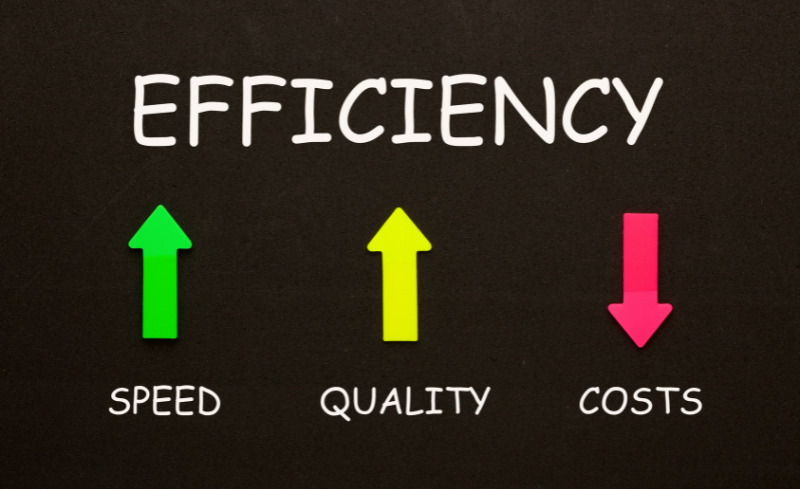
When waste management is handled professionally, it ceases to be a mere administrative requirement and becomes a strategic asset for the company.
Waste is managed as part of the production and energy system, contributing to:
-
- Reducing direct and indirect costs.
- Improving overall energy efficiency.
- Strengthening corporate sustainability.
- Enhancing the company’s image with clients, partners, and government agencies.
For companies in all sectors—industrial, logistics, commercial, or service—having comprehensive waste management solutions represents a tangible competitive advantage, especially in an environment where energy efficiency and sustainability are key decision-making factors.
ENERGY EFFICIENCY IN WASTE MANAGEMENT AS A STRATEGIC BUSINESS DECISION

Energy efficiency applied to waste management has ceased to be a purely operational aspect and has become a strategic business decision. More and more organizations are aware that the way they manage their waste directly influences energy consumption, associated costs, and the environmental impact of their activity.
Integrated management allows for the optimization of resources throughout the entire waste value chain, generating both economic and environmental benefits. The optimization of logistics fleets, the valorization of industrial waste, and the application of specialized and certified treatments are clear examples of how this approach reduces energy consumption, emissions, and dependence on virgin raw materials.
These results demonstrate that efficient waste management not only contributes to environmental protection but also directly impacts profitability, operational efficiency, and the competitive positioning of companies in an increasingly demanding environment.
Companies that approach waste management from an integrated perspective optimize resources, reduce indirect energy consumption, and improve their environmental performance and corporate sustainability without compromising their operations.
In a context marked by rising energy costs, regulatory pressure, and increasing demand for responsible practices, having a specialized waste management company allows them to transform an operational obligation into an opportunity for continuous improvement, efficiency, and sustainable growth.
On dates like World Energy Efficiency Day, this approach highlights that efficient waste management is one of the most effective ways to move towards more competitive and sustainable business models.
Related news
>> How to improve Energy Efficiency: a complete guide and best practices
>> Energy saving and energy efficiency: keys to being more sustainable
AT TMA, WE CARE FOR OUR CLIENTS AND THE ENVIRONMENT
We are much more than a waste management company: we help organizations better manage their resources, reduce their environmental impact, and move toward more sustainable models.
We promote the Circular Economy, maximize waste recovery, and work to make sustainability real, measurable, and applicable to every activity.
Our approach is based on prevention, reuse, recycling, and recovery, with a clear objective: to make the most of waste and minimize what cannot be reintegrated into the production cycle.
At TMA, we are Zero Waste. We are committed to a comprehensive waste management model that goes beyond regulatory compliance and translates into concrete results:
-
- We turn waste into resources.
- We promote the Circular Economy as an engine for change.
- We support companies in improving their environmental commitment and corporate sustainability.
If you need efficient waste management, tailored to your business and aligned with your 2026 environmental goals, we would be delighted to help.
Write to us at comercial@tma.es and we will prepare a personalized proposal for you.
Discover our comprehensive waste management services and join us on the path to a more sustainable future.
We take care of our customers and we take care of the environment.
We are much more than comprehensive waste management.
Follow us on TMA’s LinkedIn. Subscribe to our YouTube channel.
Contact us, we will be happy to advise and inform you.