
At TMA we take care of the environment, promoting sustainable practices in the efficient management of waste. To continue with our Zero Waste philosophy and promote the Circular Economy, we have created the 2025 Environmental Calendar. This resource highlights the key dates of the year related to sustainability and waste reduction, offering companies and individuals the opportunity to reflect and act. Each month there are significant dates that remind us of the importance of protecting our planet and moving towards a more sustainable future. Discover these dates and join us in this ongoing commitment to a greener and healthier world.
ENVIRONMENTAL CALENDAR FOR COMPANIES AND INDIVIDUALS: HOW TO BE SUSTAINABLE ALL YEAR ROUND
 At TMA we are committed to caring for the environment, promoting sustainable practices and efficient and sustainable waste management.
To continue with our Zero Waste philosophy and our commitment to promoting the Circular Economy to care for the environment, we have created a 2025 Environmental Calendar, an essential resource with important dates related to the environment in 2025, sustainability, care for the planet and waste reduction.
We know that sustainability is an ongoing commitment.
Throughout the year, these key dates invite us to get involved and make decisions that promote a greener future, both personally and corporately.
This calendar is designed to inspire concrete actions and make sustainability a daily priority.
Whether you are a company looking to lead by example or an individual interested in making a difference, this calendar is designed so that, throughout the year, we can all care for the environment.
Why is it essential to know the key dates for the environment that are included in this environmental calendar? Because every month we can reflect, act and move towards a more sustainable future. Each month brings with it important dates that remind us of the importance of protecting our planet.
KEY DATES FOR BEING SUSTAINABLE 365 DAYS A YEAR
How can we integrate sustainability into our annual goals? The year 2025 is full of opportunities to act, learn and generate positive change. We invite you to discover this environmental calendar and include in your diary the key dates for the environment, sustainability and the Circular Economy.
January: Start the year with a Green Purpose
January is the month of new beginnings, and what better way to start the year than with a firm purpose to care for the environment?
 This month invites us to think about the natural world around us, from the animals that live at the poles to the small changes we can make in our daily lives to reduce our environmental footprint.
(19) World Snow Day: Snow beautifies landscapes and is also crucial for ecosystems and climate regulation. Snow-covered mountains are reserves of fresh water. Did you know that climate change is affecting snow cycles in many parts of the world?
Did you know that 70% of the water used for human consumption comes from regions with snow? How can we preserve this vital resource?
(20) Penguin Awareness Day: Penguins are a symbol of wildlife endangered by climate change. More than 60% of penguin species are at risk of extinction. Let’s reflect on how our daily actions impact their future. What actions are we taking to protect their habitat?
(21) World Squirrel Day: Squirrels are indicators of the health of our forests. Are we protecting their habitats to ensure their survival?
(26) World Environmental Education Day: Environmental education is key to a sustainable future. Can we adopt greener habits, at home and at work, and at any age? Have you thought about how? Take advantage of this day to involve your team or your family in creating an annual sustainability plan.
(26) International Clean Energy Day: The transition to clean energy sources is urgent. Switching to renewable energy is not just an option, it is a necessity. If every home installed solar panels, we could reduce millions of tons of CO2 per year because renewable energy is the way to live on a healthier planet.
(28) World Day for the Reduction of CO2 Emissions: 40% of greenhouse gas emissions come from the energy we consume. Are you taking advantage of renewable energy? What steps do you take on a daily basis or have you considered taking to reduce your carbon footprint?
February: A month for Environmental Education and the Protection of Natural Resources
This month puts the spotlight on conservation and the importance of protecting biodiversity. From caring for ecosystems to promoting clean energy, February is a reminder of the need to protect our planet. February is the ideal month to reflect on our natural resources, such as water and ecosystems.
(1) World Greyhound Day: Greyhounds, victims of abuse in competitions, need protection and respect. What else can we do to prevent animal abuse?
(2) World Wetlands Day: Wetlands are essential for biodiversity, but they are in danger. They are a refuge for wildlife and also store carbon and act as natural barriers against floods. Did you know that 60% of the planet’s wetlands have disappeared in the last 100 years? How can we protect these vital ecosystems?
(3) International Day without Straws: They seem harmless but have a great impact. Reducing the use of single-use plastics is a small gesture that can have a big impact. Will you join the challenge of eliminating plastic straws and drinking with paper straws?
(5) World Weather Day: Climate change is altering our weather patterns: summers are getting warmer and winters less cold. In addition, spring and autumn are almost disappearing and we cannot enjoy the intermediate seasons. How can we adapt and reduce our vulnerability to these changes? Investing in renewable energy and reducing our carbon footprint are important steps.
(11) World Day of Women and Girls in Science: Access to science and technology is key to moving towards a sustainable future. Despite the advances, only 35% of researchers worldwide are women. Let’s encourage female participation in these fields. How can you support the inclusion of women and girls in science and technology?
(14) World Energy Day: Energy is essential for our well-being, but we must consume it responsibly and efficiently. Every kilowatt hour we save prevents the emission of 500 grams of CO2 into the atmosphere. Did you know that switching off appliances on standby can make a difference? Are you taking steps to save energy?
(17 to 23) European Week to Combat Energy Poverty: Energy poverty is a growing problem in Europe. More than 50 million people in Europe cannot keep their homes at an adequate temperature. It is urgent to promote equality in access to energy. Let us not forget that energy is also a matter of social justice.
(20) World Day of Social Justice: Social justice also implies an equitable distribution of natural resources. How are we taking care of our environment for future generations?
(23) International Commitment Day for Mercury Control: Mercury is one of the most dangerous substances for the environment as it contaminates rivers and seas, affecting health. Did you know that recycling electronic devices reduces this danger? How can we avoid its use and promote safer alternatives?
(27) Polar Bear Day: Polar bears are an emblematic species of climate change, as they depend on sea ice for hunting and reproduction. If global warming continues at this rate, they could lose 30% of their habitat by 2100. Protecting them is protecting the entire Arctic ecosystem. What actions are you taking to reduce your impact and help preserve these ecosystems?
March: A month of action and environmental awareness
 March is a month full of days dedicated to protecting our natural resources and fighting climate change.
From water to glaciers, it is an opportunity to reflect on how each of us can contribute to a more sustainable world.
March reminds us of the importance of caring for biodiversity and using water resources responsibly.
(1) World Seagrass Day: Seagrass is vital for marine biodiversity. It is essential for life under water, what are we doing to preserve it?
(3) World Wildlife and Nature Day: Wildlife is a reflection of the health of our planet. At least 1 million species are in danger of extinction. Protecting wildlife is protecting the diversity on which we depend. How can we contribute?
(5) World Energy Efficiency Day: Efficient use of energy reduces costs and also plays a crucial role in protecting the planet. According to the International Energy Agency, improving energy efficiency could reduce global CO2 emissions by 40% by 2040. Are you using energy more efficiently in your home or business? Small actions such as optimizing lighting or using energy-efficient appliances can make a big difference.
(14) International Day of Action for Rivers: Rivers are the arteries of our planet. Every year hundreds of kilometers of rivers disappear due to pollution and the construction of dams. If we do not take care of them, we are putting the life of all ecosystems at risk. Which rivers near you need attention?
(15) Responsible Consumption Day: Conscious consumption is key to reducing our environmental impact. It is estimated that a shift towards more sustainable products can reduce CO2 emissions by 30% in the next 10 years. How can you modify your consumption habits to be more sustainable? Think about choosing long-lasting products, avoiding excess plastics and supporting environmentally responsible brands.
(20) World Meatless Day: Reducing meat consumption is a direct action to reduce our ecological footprint. According to a UN report, the meat industry accounts for 14.5% of global greenhouse gas emissions. Do you dare to eat a day without meat? Reducing meat in your diet, even if it is one day a week, can have a great impact on the sustainability of the planet.
(21) International Day of Forests: Forests are the lungs of the planet, but we are losing an area equivalent to 27 football fields every minute. What actions can you take to protect them and conserve their biodiversity? Planting trees, reducing paper use or supporting reforestation projects are direct actions that you can incorporate into your daily life.
(21) World Glacier Day: Glaciers are disappearing rapidly due to climate change. Their loss implies an increase in sea level. If the rate of melting continues, more than two-thirds of the planet’s glaciers will disappear by 2100. What are we doing to slow down this process? Do you know what could happen if we do nothing to prevent it?
(22) World Water Day: Water is a vital but finite resource. We must promote its conservation and responsible use. Every drop counts: repairing a leaky tap can save up to 20 litres of water a day. What changes can you implement today? How can you reduce your water consumption and consume it efficiently without wasting it?
(23) World Meteorological Day: The climate is changing at an accelerated rate. According to the IPCC, the increase in global temperature could reach up to 1.5°C in the next 20 years if we do not take urgent measures. Are you prepared to face the extreme weather changes that we are already experiencing? Science is our ally to understand these changes and adapt to them.
(26) World Climate Day: Climate change is an undeniable reality that affects our planet with extreme temperatures and loss of biodiversity, but we can still take concrete measures to mitigate it. What are you doing today to contribute to the fight against climate change? How can your daily decisions contribute to the fight against climate change? From reducing the use of plastics and opting for sustainable transport, to supporting renewable energy policies, our daily decisions can make a big difference. Let’s make World Climate Day a turning point towards a greener and more sustainable future.
(29) Earth Hour: Turning off the lights for one hour may seem like just a small gesture, but if millions of people around the world do it, the impact will be huge. In 2023 and 2024, more than 180 countries participated in this event. Are you willing to join this year and show that we can all contribute to the fight against climate change?
(30) International Zero Waste Day: The circular economy promotes an endless cycle of reducing, reusing and recycling materials. If circular economy practices were implemented, we could reduce global emissions by 39% by 2030. What else can you do to reduce your waste? Think about how to give objects a second life before getting rid of them: can you repair, donate or transform something instead of throwing it away? The key is to change our habits towards more conscious and responsible consumption. At TMA we are Zero Waste.
April: A month of global commitment to the Planet
 April is a month of environmental awareness and health, a month to celebrate the Earth and health. From World Earth Day to animal care, April reminds us how interconnected our well-being and that of our planet are. April is a month full of opportunities to reaffirm the global commitment to sustainability.
Spend this month evaluating your carbon footprint and look for ways to reduce it.
(5) World Awareness Day: Being aware of environmental issues allows us to make more informed and responsible decisions. How are you contributing to planetary well-being?
(7) World Health Day: Human and environmental well-being are intrinsically connected. Air pollution kills 7 million people a year, according to the WHO. What measures can we take to breathe cleaner air? How can we promote a healthy environment in your immediate surroundings?
(22) World Earth Day: Planting a single tree can absorb up to 22 kg of CO2 per year. Do you dare to make the Earth a greener place? The Earth gives us everything we need to live. It’s time to return the favor by protecting it.
(24) World Laboratory Animal Day: It is necessary to promote more humane alternatives in scientific research to protect animals from unnecessary suffering.
(27) International Day for the Conservation of Amphibians: Amphibians are indicators of environmental health. How can we help preserve their habitats?
(30) International Noise Awareness Day: Noise is an invisible pollutant that affects our health. What can we do to reduce it so that we can live in quieter and healthier cities?
May: Recycling and Responsible Consumption Month
May is notable for its days dedicated to biodiversity and sustainability, from the importance of pollinators to recycling. It is a month to reflect on the vital role of ecosystems and how every action counts and it is the month to promote recycling and reflect on our consumption of products.
(2) World Tuna Day: Tuna is a fundamental species in our oceans, but it is in danger due to overfishing. How can we contribute to its conservation?
(10) International Argan Day: Argan oil is a valuable natural resource and its sustainable cultivation can benefit both people and the environment. How can we help to care for the importance, properties and benefits of this native species?
(10) World Migratory Bird Day: Migratory birds depend on healthy ecosystems to complete their long annual journeys. These ecosystems provide them with the resources necessary to rest, feed and reproduce. Preserving these habitats is essential for birds and also for global biodiversity. How can we preserve the habitats they use during their migration?
(16) Bike to Work Day: Cycling is not only good for our health, but also for the environment because it reduces emissions and traffic. Are you joining the challenge to cycle for your well-being and for a more sustainable and healthy world for you and for everyone? Start the day taking care of your health!
(17) World Recycling Day: Recycling is essential to reduce the pressure on natural resources: it reduces the amount of waste we generate and also saves resources and energy. Are you doing your part to recycle correctly? At TMA, we promote efficient waste management that transforms waste into resources through the Circular Economy. Adopting responsible practices, such as source separation, protects the environment and also encourages a sustainable culture. Are we recycling more and better?
(20) World Bee Day: Bees are essential for pollination and biodiversity. Did you know that bees are essential to maintaining the life cycle of many plants and trees? What would happen to our food supply if bees disappeared? What actions can you take to protect them?
(21) European Natura 2000 Day: Natura 2000 is a network of protected natural areas that are key to biodiversity. How can you contribute to its preservation?
(22) International Day for Biological Diversity: Biodiversity is the basis of a healthy world. How can we protect the rich variety of life that exists on our planet?
(24) European Day of Natural Parks: Natural parks are the lungs of the Earth. How can you contribute to their protection and preservation? Would you opt for ecotourism and respect the regulations of natural parks?
(31) World No Tobacco Day: Quitting smoking improves our health and also reduces environmental pollution from tobacco waste. Quit as soon as possible, for your own good and for the planet’s.
June: A month of environmental awareness
 June brings with it important dates to reflect on the oceans, the wind, the fight against desertification and the importance of sustainability in all aspects of our daily lives.
June is an ideal month to talk about renewable energy and energy efficiency. This month, the environment is more relevant than ever.
(1) World Reef Day: Coral reefs are essential for marine biodiversity. However, they are being threatened by climate change. What can we do to protect them?
(3) World Bicycle Day: Choosing the bicycle as a means of transport is a simple and effective way to reduce our carbon footprint. Pedal more!
(5) World Environment Day: Every small action counts when it comes to protecting the environment. According to a UN report, 50% of the world’s population lives in urban areas, which increases our ecological footprint. What changes can you implement in your daily life to reduce your impact? From using public transport to recycling correctly, every gesture counts.
(5) International Day against Illegal Fishing: Illegal fishing threatens marine ecosystems. Supporting policies that promote sustainable fishing is key.
(8) World Oceans Day: The oceans cover 70% of the Earth’s surface, but they also face threats such as pollution and overfishing. Protecting marine biodiversity is essential for the balance of our planet. How can we contribute to its preservation? Reducing the use of plastics and supporting sustainable fishing are important steps to save our oceans.
(10-12) European Sustainable Energy Week: Renewable energy is essential for a cleaner future. In 2022, the European Union produced 22% of its electricity from renewable sources. Are you taking action to take advantage of solar, wind or hydroelectric energy in your daily life? The energy transition depends on each of us.
(15) World Wind Day: Wind is a renewable energy source that can significantly contribute to sustainability. The wind is blowing in our favour!
(16) World Sea Turtle Day: Sea turtles are key to ocean ecosystems. What can we do to ensure their survival?
(17) World Day to Combat Desertification and Drought: Desertification affects millions of people. Protecting soil is essential to stop degradation.
(18) Sustainable Gastronomy Day: Adopting responsible eating habits reduces our environmental impact.
(21) International Sun Day: The sun is an inexhaustible source of clean energy, and in some countries, more than 20 GW of solar energy is already generated every day. Let’s take advantage of its potential to reduce dependence on fossil fuels. Are you taking advantage of solar energy in your home or business? A solar panel can be an investment that helps you save and take care of the planet.
(24) International Day against Electromagnetic Pollution: Exposure to electromagnetic radiation has an impact on both human health and the environment. Research indicates that more than 60% of the population is exposed to unnatural levels of radiation. How can we protect ourselves? Minimizing the use of unnecessary electronic devices and opting for low-emission radiation solutions is a first step.
(28) World Tree Day: Trees are essential to the balance of the ecosystem, helping to purify the air, reduce CO2 and promote biodiversity. Every year, deforestation contributes to the loss of 10 million hectares of forests. What can you do to protect them? Planting trees and preventing illegal logging are actions that we can all take.
July: A month of conservation and ecological awareness
 In July, we are invited to reflect on the protection of our ecosystems and to adopt more responsible habits, from avoiding plastic bags to preserving mangroves.
(3) International Day without Plastic Bags: Avoiding plastic bags is a simple gesture that can have a great impact on reducing pollution.
Plastic is everywhere, but do we really need so much?
How can we reduce the use of plastic and prevent it from reaching our seas and oceans?
Consider using biodegradable or reusable alternatives for disposable packaging and products to reduce single-use plastics.
(7) International Soil Conservation Day: Soil is a finite resource that we must protect. Soil conservation is essential for sustainable agriculture.
(21) World Dog Day: Pets also play an important role in sustainability: Adopting and caring for animals is an act of environmental responsibility.
(22) World Day against Open-pit Mining: Open-pit mining causes serious damage to ecosystems and human health. Supporting sustainable alternatives is necessary.
(26) International Day for the Conservation of the Mangrove Ecosystem: Mangroves are vital for biodiversity and protect coasts from erosion. Their conservation is urgent.
August: A month to protect and preserve
August highlights the importance of preserving the environment and the species that inhabit it, while reminding us of the challenges we face regarding pollution and the conservation of natural resources.
It is also the ideal time to take stock of what we have achieved and readjust our goals. Take advantage of this month to review the results of your environmental initiatives, identify areas for improvement and define new sustainability goals.
(8) World Cat Day: Cats are also part of our homes and ecosystems. Their responsible care is essential for harmonious coexistence with nature.
(9) International Day of Indigenous Peoples: Indigenous peoples have always been guardians of the environment. Their traditional knowledge is essential for the conservation of nature.
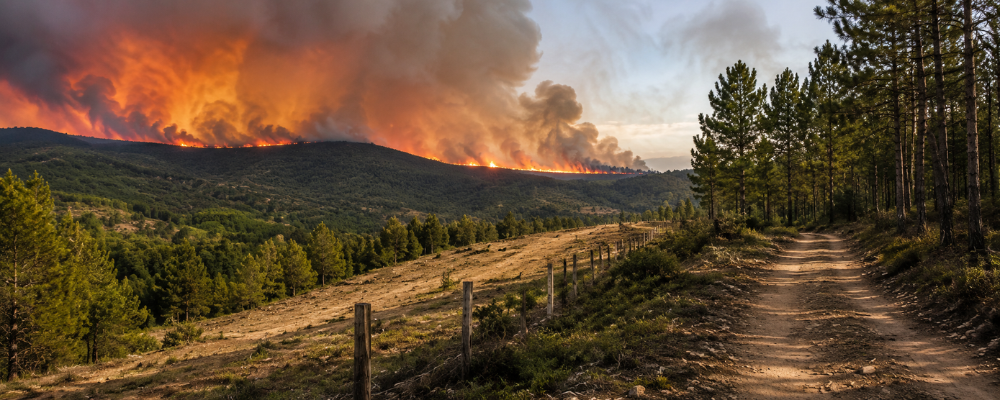
(18) World Day for the Prevention of Forest Fires: Forest fires destroy habitats, contribute to climate change and affect biodiversity. In the last 20 years, forest fires have increased in frequency and intensity due to climate change. Prevention is key. How can you contribute to reducing the risk of fires in your community? Promoting awareness campaigns and supporting sustainable forestry practices are valuable options. At Espais Verds we work to care for natural environments and prevent the risk of fires.
(29) International Day against Nuclear Tests: Nuclear tests generate serious impacts on the environment and health. We must fight for a world free of nuclear weapons.
September: A month of mobility and climate action
 September is a month to rethink how we move and how our habits affect the planet.
From preserving clean air to waste management, it is a month to look for sustainable solutions.
Climate change is the greatest global threat of our time. September is the ideal month to raise awareness about climate change and promote sustainable practices.
(1) International Primate Day: Primates are our closest relatives. We must protect them and preserve their habitats.
(7) International Clean Air Day for Blue Skies: Air quality affects our health and the climate. Reducing emissions is essential for a cleaner future.
(9) World Electric Vehicle Day: Did you know that an electric vehicle can reduce CO₂ emissions by up to 50%? Celebrate this day by promoting cleaner and more sustainable mobility.
(16-22) European Mobility Week: Encouraging the use of public transport, cycling and walking reduces our carbon footprint. It is estimated that 30% of CO2 emissions in cities come from transport. How do you get around your city? Choosing more sustainable means of transport is essential to reduce pollution and improve quality of life. It is crucial that we move around the planet and that we move differently.
(16) International Day for the Preservation of the Ozone Layer: The ozone layer protects us from ultraviolet rays, and its conservation is crucial to prevent diseases such as skin cancer. Thanks to the Montreal Protocol, we have managed to reduce emissions of ozone-depleting substances by 98%. How can you contribute to its protection? Avoiding CFC products and reducing the use of aerosols are simple but effective steps.
(21) International Day for Integrated Solid Waste Management: Efficient waste management is essential for the circular economy and sustainability. It is estimated that 30% of the waste generated in Europe could be avoided with better management practices. What actions can you implement in your company to improve waste management? From proper separation to the recovery of recyclable materials, we can all do more.
(21) International Day of Peace (climate and environmental justice): Peace and justice are essential to achieving environmental sustainability. When we promote climate and environmental justice, we help create a more equitable and healthier world for all. This global effort seeks to ensure that everyone, regardless of their situation, can live in a clean and safe environment.
(22) World Car-Free Day: Promoting emission-free transport contributes to cleaner air and a healthier environment. Park your car and travel in another way (bike, public transport…): explore new forms of sustainable mobility and enjoy the ride!
(25) World Maritime Day: Did you know that more than 80% of global trade is transported by sea? This day invites us to reflect on sustainability in the oceans and the environmental impact of maritime transport.
(26) World Environmental Health Day: The health of the planet is the health of people. Protecting the environment is caring for everyone. According to the World Health Organization, 13 million deaths annually are attributable to environmental factors. How can you contribute to improving environmental health? Reducing resource consumption and supporting green policies are key actions for a healthy future.
(29) World Day of Awareness on Food Loss and Waste: Reducing food waste is one of the most effective actions to combat hunger and pollution.
October: A month to care for resources and biodiversity
 October is the month in which biodiversity and sustainability come to the fore.
It is a month to reflect on the impact of our actions on animals, habitats and the natural resources we need to live.
It is a month to reflect on the impact that our local actions can have on a global level.
How can our local actions help combat climate change on a large scale?
(4) World Animal Day: Animals are an essential part of ecosystems. Their conservation is a commitment to biodiversity.
(6) World Habitat Day: Natural habitat is vital for our survival. Urbanization must be sustainable and respectful of nature.
(11) World Migratory Bird Day: Migratory birds are key to ecosystems and alert us to climate change. To preserve the habitats they use during their migration, it is crucial to implement conservation practices, protect key areas and restore degraded ecosystems. It is also important to promote environmental policies that protect these natural spaces and encourage education and public awareness about the importance of migratory birds and their routes. By taking these actions, we contribute to the health of our planet and support biodiversity.
(13) International Day for Natural Disaster Reduction: Preventing natural disasters is crucial to saving lives and protecting the environment. In 2020, natural disasters caused more than 200,000 deaths globally. Unfortunately, sad images of natural disasters that have not happened so far from us come to mind. What preventive measures can we take? Investing in resilient infrastructure and educating communities about natural risks are essential steps.
(14) World Day for the Reduction of Electronic Waste (WEEE): Proper management of electronic waste is essential to avoid pollution and promote the circular economy. According to the UN, more than 50 million tons of electronic waste are generated each year, and only 17% is recycled. How can you help reduce this impact? Recycling your electronic devices and opting for repair are two actions that can make a difference. Let’s connect with the environment!
(16) World Food Day (food sustainability): Adopting a sustainable diet improves our health and also reduces our environmental impact. Agriculture is responsible for 25% of greenhouse gas emissions. Are you choosing local and seasonal products? Reducing food waste and opting for plant-based diets are effective ways to promote sustainability.
(18) World Nature Protection Day: Protecting nature is a collective commitment. Each of us can contribute in different, meaningful ways, whether it’s reducing plastic use by using reusable bags and water bottles, saving energy by turning off unnecessary lights and using efficient appliances, conserving water with shorter showers and fixing leaks or planting trees and caring for green spaces that are essential for biodiversity and the health of the planet. By adopting these responsible habits, we can all make a positive difference in preserving our environment. What are you doing to protect nature?
(21) World Energy Saving Day: Saving energy is a simple way to reduce our emissions and take care of the planet. According to the International Energy Agency, every euro invested in energy efficiency can generate between 2 and 4 euros of savings in the future. Are you making the most of your energy resources? Implementing changes in the lighting and air conditioning of your home or business can have a positive impact.
(24) International Day Against Climate Change: Climate change is one of the greatest challenges of our time. According to the latest IPCC report, global warming could exceed 1.5°C in the coming decades if we do not take urgent action. What are you doing to slow down this process? Reducing energy consumption, adopting renewable energy and changing our habits are essential to combat climate change.
(31) World Cities Day: Sustainable cities are key to a greener and fairer future for all. By 2050, 68% of the world’s population is expected to live in urban areas, increasing pressure on natural resources. How can your city become a more sustainable place? Investing in green mobility, energy efficiency and proper waste management are essential steps.
November: A month of awareness and action
November invites us to reflect on the impact of our actions on the environment, with days dedicated to science, waste prevention and ocean protection. It’s time to raise awareness and act.
It’s the month to focus on waste management and the circular economy.
Waste can be seen as a problem or as an opportunity. How do you see it? Do you know how you can transform your waste into resources?
(1) World Ecology Day: Ecology is the science that studies the interactions between living beings and their environment. Understanding it helps us make more sustainable decisions.
(5) World Tsunami Awareness Day: Tsunamis are a reminder of the fragility of our coastal ecosystems and the need for protection.
(6) International Day of Biosphere Reserves: Biosphere reserves are essential for the conservation of biodiversity and ecosystems.
(6) Day to prevent the exploitation of the Environment in war and armed conflict: Peace is essential for environmental conservation and human prosperity.
(10) World Science Day for Peace and Development: Science is key to finding sustainable solutions to environmental problems.
(21) World Fisheries Day: Sustainable fishing is crucial to maintaining balanced marine ecosystems.
(22 – 30) European Week for Waste Prevention: Reduce, reuse and recycle are fundamental principles for a sustainable society. In Europe, more than 250 million tons of waste are generated each year, but only 30% is properly recycled. What can you do to reduce your waste footprint? Choosing recyclable products, avoiding waste and promoting reuse are simple but effective ways to contribute to sustainability. Review your company’s waste management processes and look for more efficient ways to manage waste at home and in your daily life, so you can take advantage of it and contribute to the Circular Economy, implementing reuse and recycling strategies.
(30) World Day against Consumerism: Excessive consumerism is leading to the depletion of natural resources and increased waste generation. According to the UN report on responsible consumption, 60% of global emissions come from production and consumption.
Adopting a more responsible lifestyle, choosing long-lasting, local and sustainable products, is vital for the sustainability of the planet. What consumer decisions can you change to reduce your ecological footprint?
(30) World Aquaculture Day: Sustainable aquaculture is key to ensuring food security without destroying marine ecosystems. According to the FAO, responsible aquaculture produces 50% of the fish we consume, reducing the pressure on the oceans. By choosing sustainably farmed products, we can support practices that not only meet our food needs, but also preserve marine biodiversity. How can you help promote more sustainable aquaculture in your community?
December: A month of reflection and responsibility
December is a month of reflection and action on the impacts of humanity on the environment. From the fight against the use of pesticides to the protection of mountains,
December reminds us how valuable the natural balance is and how we can contribute to preserving it.
It is the month to reflect on how we have reduced our negative impact on the planet, to know if the footprint we have left on the environment during these 365 days is positive and to establish new commitments to take care of the environment.
(3) International Day against the use of pesticides: Pesticides affect biodiversity and human health. Searching for more natural alternatives is essential.
(5) World Soil Day: Soil is a vital resource for life. Its protection is essential for sustainable agriculture and biodiversity.
(10) International Human Rights Day: Respect for the environment is also a human right. A healthy planet is a right for all.
(10) International Animal Rights Day: Animals have the right to live without suffering and protecting them is protecting the natural balance. Animal protection is a crucial action to maintain healthy ecosystems. What can you do to promote respect and care for animals? Support initiatives that protect their habitat and participate in awareness-raising actions to raise awareness about their rights.
(11) International Mountain Day: Mountains are beautiful landscapes and in turn play an essential role in regulating the climate, the water cycle and biodiversity and are essential for ecological balance. According to the United Nations, 60% of the world’s drinking water comes from mountainous areas. How can you contribute to their conservation? Support initiatives that promote the protection of these ecosystems and reduce your environmental impact in these areas. Protecting mountains is protecting all living beings that depend on them.
SUSTAINABLE CALENDAR 2025
 With this calendar we want to highlight key days and contribute to companies and people committing to sustainability every day.
May 2025 be a year of great achievements for the planet!
Download our 2025 Environmental Calendar and start the year with a clear purpose: to contribute to a more sustainable future.
Are you ready to take action?
What achievements do you want to achieve this year in terms of sustainability?
Close the year with a complete review of the sustainable actions you implemented and plan new initiatives for next year.
AT TMA WE ARE ZERO WASTE
At TMA we promote the Circular Economy and we are Zero Waste by managing waste with an approach that maximizes its value and extends its life cycle. We work to minimize as much as possible the generation of waste that cannot be valued or reincorporated into the production cycle.
The Zero Waste concept goes beyond recycling and promotes waste management that aims at the total elimination of waste. This involves designing production processes that reduce waste generation as much as possible, ensuring that materials are reused, recycled or transformed.
This comprehensive approach positions TMA as a leader in the transition towards a Zero Waste management model.
We take care of our clients and we take care of the environment.
We are much more than comprehensive waste management.
Do you need efficient waste management or more information about the services we offer at TMA? Write to us at comercial@tma.es and we will be happy to provide you with a personalized proposal, fully adapted to your needs.
Discover our comprehensive Waste Management Services.
Follow us on TMA’s LinkedIn. Subscribe to our YouTube channel.
Contact us, we will be happy to advise and inform you.