The Hoya-Gonzalo Environmental Complex, in Albacete, is expanding its waste recovery options with the production of Refuse Derived Fuel (RDF) from industrial solid waste that can no longer be recovered through other recovery routes.
The new line makes it possible to transform part of this waste into an alternative fuel for use in industrial processes, providing a new outlet for materials that might otherwise end up in controlled landfill.
This activity adds to the different waste management operations that Grupo TMA carries out at the complex, including the treatment of bio-sanitary waste, the transfer of healthcare waste, and the management of small quantities of hazardous and non-hazardous waste.
FROM INDUSTRIAL WASTE TO RDF: GIVING WASTE A SECOND LIFE
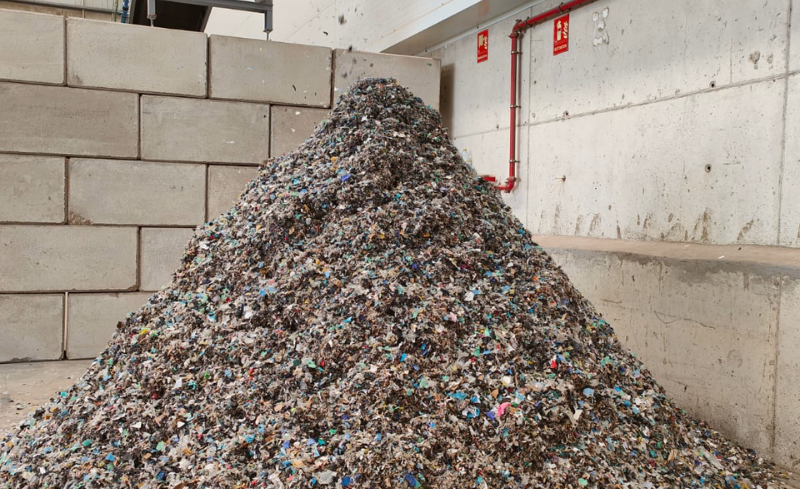 RDF production begins with the reception and classification of industrial solid waste (ISW).
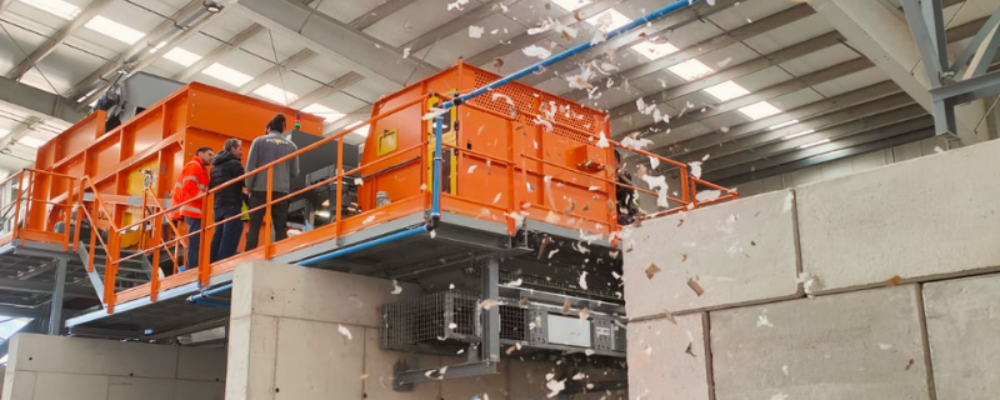
Once the fractions that can be recovered through other routes have been separated, the remaining material moves to the production line, where it undergoes different shredding and separation processes to remove elements that must not form part of the fuel.
The objective is to make use of a fraction that can no longer be directed towards other material recovery routes and prepare it for energy recovery as Refuse Derived Fuel (RDF).
In this way, controlled landfill is no longer the only alternative for the waste, which can be reintroduced into the external production cycle as an alternative fuel.
A LINE DESIGNED TO PRODUCE RDF
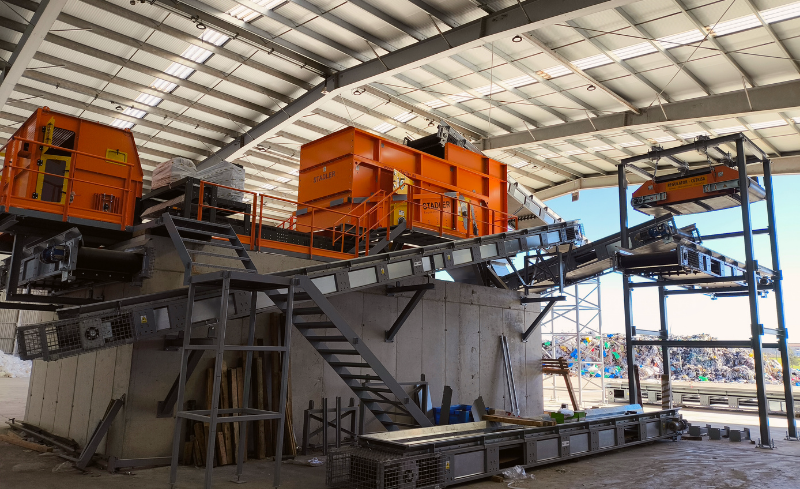
The production line has a capacity of 10 tonnes per hour and is designed to reach 20 tonnes per hour.
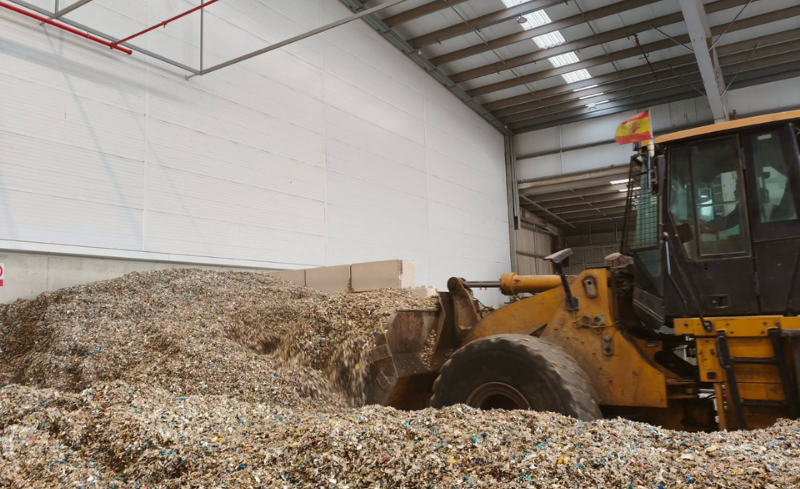 To achieve the required characteristics of RDF, the material passes through different sorting and shredding equipment. These include ballistic, optical, magnetic and inductive separators, which make it possible to remove different fractions and unwanted materials.
The process ends with a second shredding stage that prepares the material for use as an alternative fuel.
The result is a homogeneous RDF, free of metals and the main unwanted fractions, which is subsequently loaded into high-capacity vehicles for transportation to end users.
FROM WASTE TO AN ENERGY RESOURCE
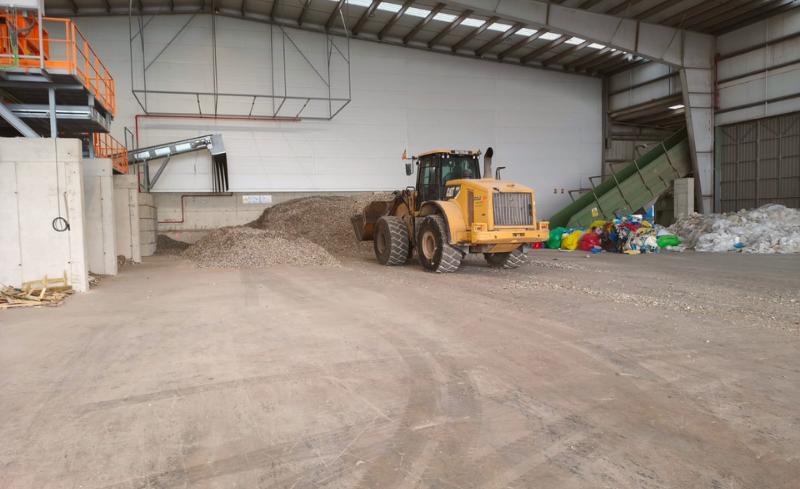 RDF offers an alternative for waste that, due to its characteristics, can no longer be recycled through material recovery processes.
Its use as an alternative fuel makes it possible to recover the energy content of these materials and direct them towards industrial processes that require a high supply of thermal energy.
This model helps reduce the amount of waste sent to controlled landfill and promotes greater use of the resources contained in waste.
Energy recovery is thus incorporated into waste management as an option that complements recycling and other forms of recovery, always in accordance with the characteristics and possibilities of each type of waste.
MANAGEMENT OF GROUP III BIO-SANITARY WASTE
The Hoya-Gonzalo Environmental Complex also has a dedicated line for the management of Group III bio-sanitary waste and WEEE with biological contamination.
 This waste is received in sealed containers and, following the relevant checks, transferred to the treatment area. Group III waste undergoes a sterilisation process using an autoclave with saturated steam.
Once sterilisation is complete, Group III waste is shredded before subsequent management. In the case of WEEE with biological contamination, the equipment is sterilised and kept separate until it is handed over to an authorised external waste manager for recovery.
This treatment makes it possible to manage this waste in a controlled and differentiated manner, in accordance with its characteristics and the specific requirements associated with bio-sanitary waste.
TRANSFER OF GROUP IV HEALTHCARE WASTE
The complex also manages Group IV healthcare waste, including cytotoxic and cytostatic waste and certain chemical waste that requires specific management conditions.
Reception includes checking the documentation, identifying the waste, inspecting the condition of the containers and completing the corresponding records.
Once accepted, this waste remains in a refrigerated chamber until it is transferred using high-capacity vehicles and subsequently transported to authorised external waste managers.
Consolidating loads helps optimise transport and ensures that this waste receives the appropriate treatment at specialised facilities.
TRANSFER OF HAZARDOUS AND NON-HAZARDOUS WASTE
Another activity carried out at Hoya-Gonzalo is the transfer of hazardous and non-hazardous waste generated in small quantities, including healthcare waste from Groups V and VI.
This waste is received, identified and classified before being temporarily stored in suitable containers and supports. The loads are subsequently prepared for transport and transferred to authorised external waste managers.
In the case of hazardous waste, the activity is limited to reception, inspection, storage and transfer, with no treatment operations carried out at the facility.
A COMPLEX WITH DIFFERENT WASTE MANAGEMENT ROUTES
RDF production is integrated into a complex that brings together different waste management solutions, adapted to the characteristics of each waste stream.
At Hoya-Gonzalo, sorting and recovery activities, waste transfer and the treatment of different types of waste operate alongside the specific management of bio-sanitary and healthcare waste. This combination makes it possible to manage each type of waste through the route best suited to its characteristics.
The addition of RDF production expands the complex’s recovery options by making use of an industrial waste fraction that cannot be directed towards other forms of material recovery.
HOYA-GONZALO: ANOTHER STEP FORWARD IN GRUPO TMA’S WASTE RECOVERY STRATEGY
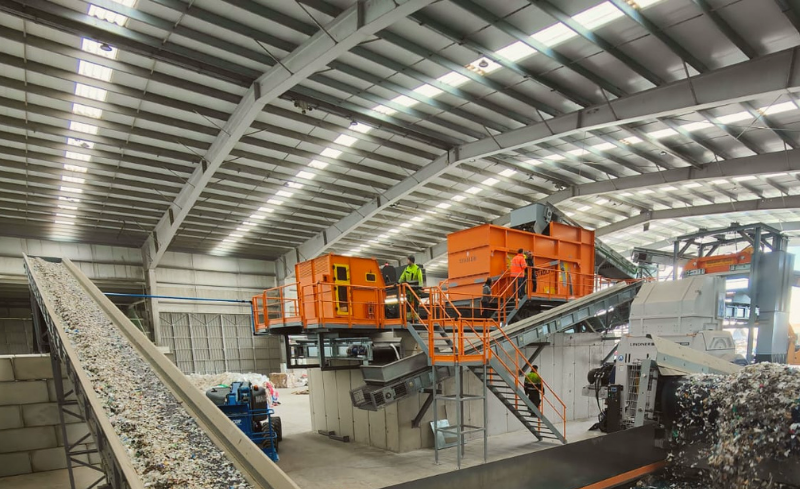 RDF production represents another step in the development of the Hoya-Gonzalo Environmental Complex and in the search for alternatives to make use of waste that can no longer follow other recovery routes.
Energy recovery thus adds to the different solutions that Grupo TMA develops for waste management, with the aim of recovering materials and resources whenever possible and reducing the amount of waste ultimately sent to controlled landfill.
With this new line, Grupo TMA continues to advance towards a comprehensive waste management model based on experience, technology and the search for solutions tailored to each type of waste.
If you need efficient waste management tailored to your business and aligned with your environmental goals, we’d be delighted to help.
Write to us at comercial@tma.es and we’ll prepare a personalized proposal for you.
Discover our comprehensive waste management services and join us on the path to a more sustainable future.
We take care of our customers and we take care of the environment.
We are much more than comprehensive waste management.
Follow us on TMA’s LinkedIn. Subscribe to our YouTube channel.
Contact us, we will be happy to advise and inform you.