
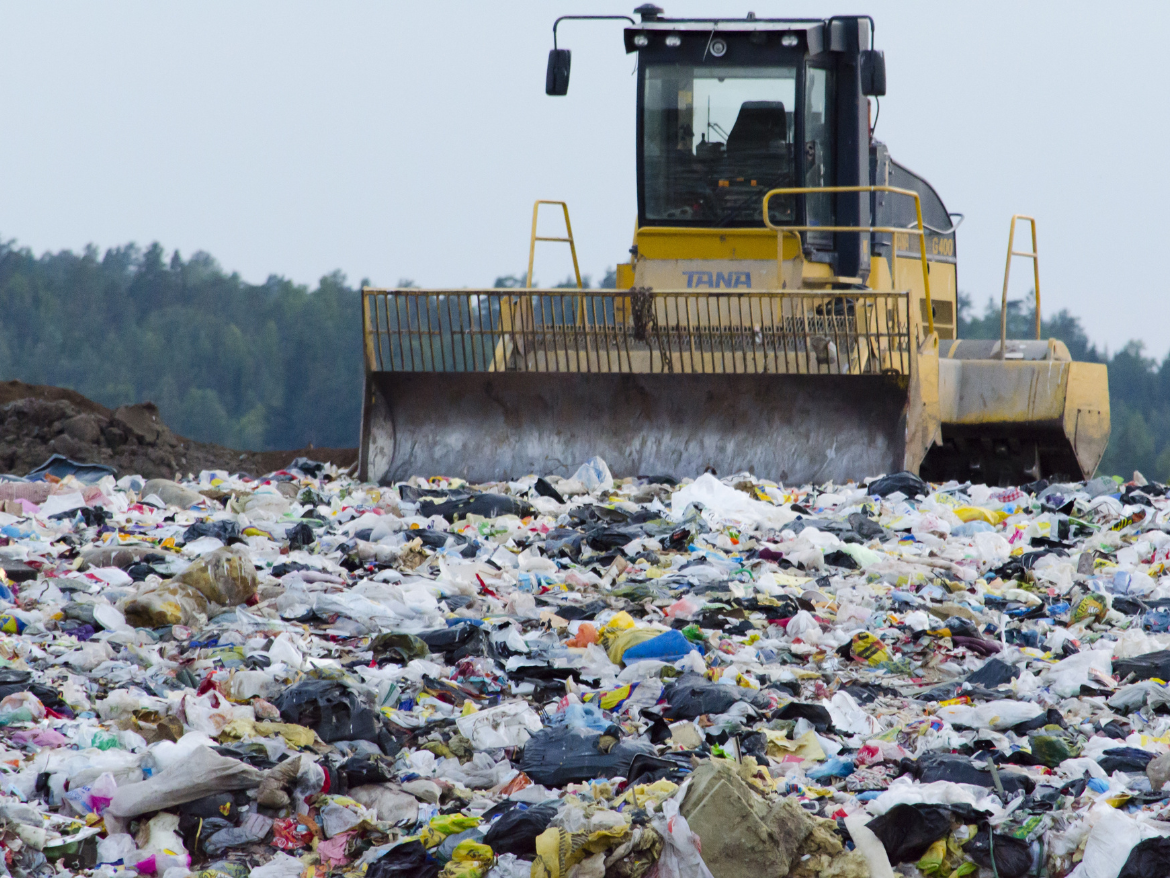
On such a significant date as World Environment Day, we want to highlight some good news related to the reduction of plastic pollution and remind you of good environmental practices to reduce plastic waste.
In this article, we reveal the roadmap outlined by the UN, outlining measures to reduce global plastic pollution by 80% by 2040, and we refresh the 3Rs (Reduce, Reuse, and Recycle) as a way to protect the environment and reduce our carbon footprint.
THE UN DESIGNS A ROADMAP TO SOLVE THIS TYPE OF POLLUTION
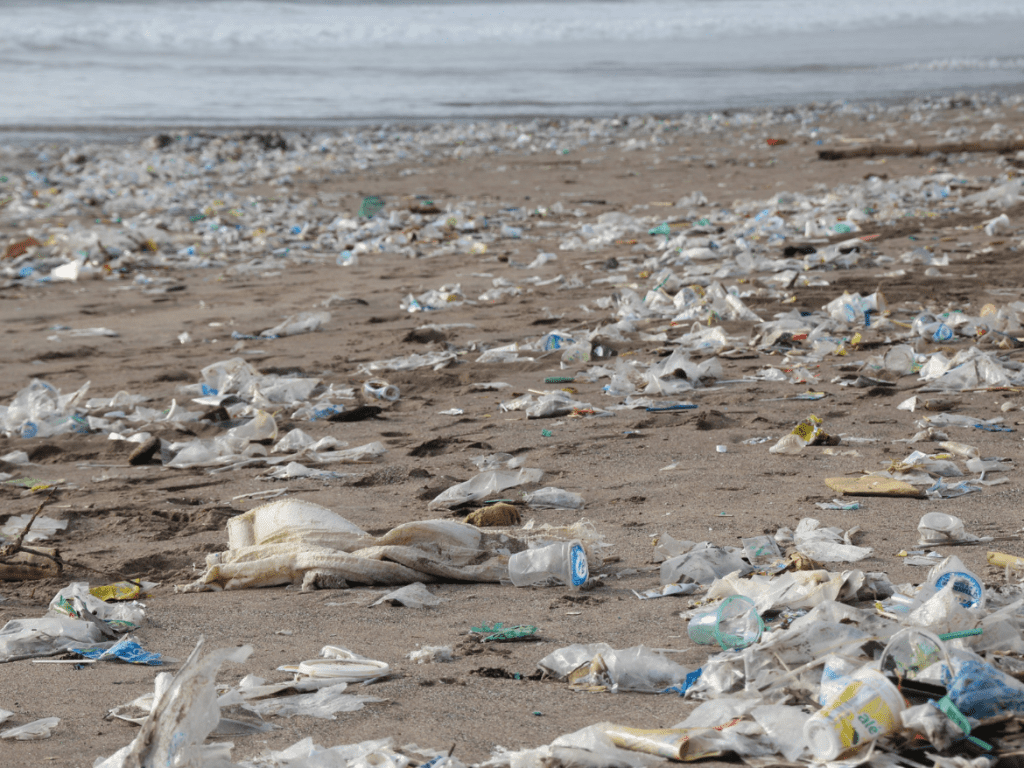
According to the latest report from the United Nations Environment Programme (UNEP), plastic pollution could be reduced by 80% by 2040 if countries and companies make profound changes to their policies and markets using existing technologies. The report, published as part of the second round of negotiations in Paris on a global agreement to end plastic pollution, outlines the steps needed to end plastic pollution and create a circular economy.
The report, Turning Off the Tap: How the World Can End Plastic Pollution and Create a Circular Economy, offers a solution-focused analysis of concrete practices, market shifts, and policies for governments and businesses to implement.
“The way we produce, use, and dispose of plastics is polluting ecosystems, causing risks to human health and destabilizing the climate,” the report states, also outlining a roadmap to radically reduce these risks.
If we all embrace this roadmap together, we can reverse the current situation.
NECESSARY CHANGES FOR MARKET TRANSFORMATION TOWARDS CIRCULARITY
First, the report proposes eliminating problematic and unnecessary plastics to reduce the magnitude of the problem and decrease plastic pollution by 80% worldwide by 2040. The report then advocates for three market shifts (two of them related to the 3Rs): reuse, recycle, and repurpose/diversify products:
- Reuse: Promoting reuse options, such as refillable bottles, bulk dispensers, deposit-return, and return systems, packaging recovery systems (like ours, focused on material recovery), among others, can reduce plastic pollution by 30% by 2040. To realize these possibilities, governments must help create a more favorable, attractive, and compelling business case for reusable products.
- Recycle: Plastic pollution can be reduced by an additional 20% by 2040 if recycling becomes a more stable and profitable business. Eliminating fossil fuel subsidies, implementing design guidelines to improve recyclability, and implementing other measures would increase the proportion of economically recyclable plastics from 21% to 50%.
- Reorient and diversify: Plastic products found in packaging, plastic wrap, baggies, fast food items, and similar items can be prudently replaced with products made from alternative materials (such as paper or compostable materials) and can lead to an additional 17% reduction in plastic pollution.
Even if all the above measures are implemented, 100 million metric tons of plastics from single-use products will still need to be safely treated by 2040, in addition to the significant amount of existing plastic pollution. This issue can be addressed by creating and enforcing design and safety standards to eliminate non-recyclable plastic waste, and by holding manufacturers accountable for products that release microplastics, among other measures.
ECONOMIC AND ENVIRONMENTAL BENEFITS
Overall, the shift to a circular economy would save €1.19 trillion, taking into account recycling costs and revenues. It would also save €3.03 trillion in avoided externalities in areas such as public health, climate, air pollution, marine ecosystem degradation, and litigation-related costs. This shift to a circular economy would also generate an additional 700,000 jobs by 2040, while significantly improving the livelihoods of millions of informal sector workers.
With regulations ensuring that plastics are designed to be circular, Extended Producer Responsibility (EPR) schemes can cover the operating costs to ensure the system’s circularity by requiring producers to finance the collection, recycling, and responsible disposal of plastic products at the end of their useful life.
The report recommends that a global fiscal framework could be part of international policies to allow recycled materials to compete on a level playing field with virgin materials, create economies of scale for solutions, and establish monitoring systems and financing mechanisms.
It is therefore crucial to encourage political and legislative authorities to adopt an approach that integrates regulatory instruments and policies that address the challenges at each stage of the plastics life cycle, as the stages and instruments reinforce each other to achieve the goal of transforming the economy. For example, design standards for economically recyclable products can be combined with targets for incorporating recycled content and tax incentives for recycling facilities.

Turn Off the Tap Report: How the World Can End Plastic Pollution and Create a Circular Economy
We take care of our clients and we take care of the environment.
We are much more than comprehensive waste management.
Do you need efficient waste management or more information about the services we offer at TMA? Write to us at comercial@tma.es and we will be happy to provide you with a personalized proposal, fully adapted to your needs.
Discover our comprehensive Waste Management Services.
Follow us on TMA’s LinkedIn. Subscribe to our YouTube channel.
Contact us, we will be happy to advise and inform you.


