
Managing the waste generated at a wastewater treatment plant (WWTP) is essential for the proper functioning of the sanitation system. Although it is a largely invisible process, its impact is direct on operational efficiency, environmental protection, and the continuity of the public water service.
In this context, TMA has been awarded the contract for the collection, transport, and management of pretreatment waste from the Vilafranca del Penedès WWTP (managed by the Penedès Garraf Association of Municipalities), assuming the responsibility of ensuring safe, traceable operations that comply with current regulations.
In the case of Vilafranca, this management takes on strategic importance due to the complexity of the sanitation network, the industrial and urban activity in the area, and the need to guarantee an efficient response to flow variations or rainfall events.
In this context, TMA provides the service of collecting, transporting, and managing the waste generated in the pretreatment stage (screening and grit removal), guaranteeing safe, traceable operations in compliance with current regulations.
This is a technical and specialized task that combines logistics, environmental control, and operational coordination, and is essential to ensure that the wastewater treatment plant operates continuously, efficiently, and without incident.
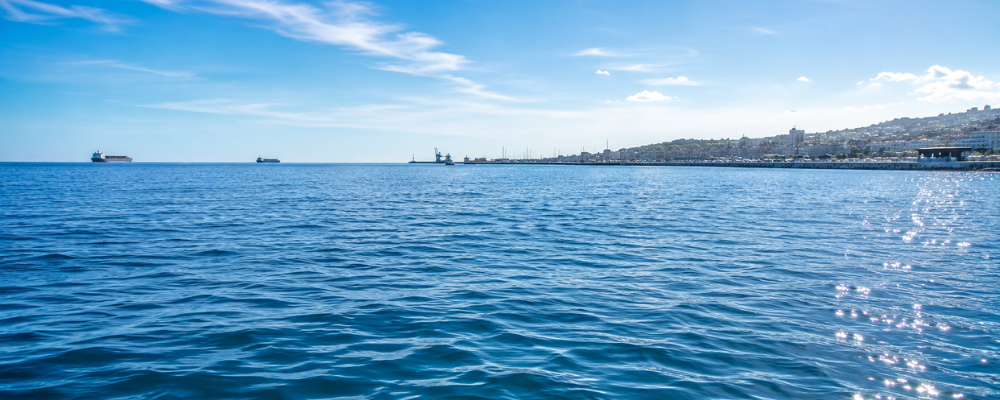
Image: Carles Fortuny / ACEVIN.
WHAT IS THE PRETREATMENT OF A WWTP AND WHAT WASTE DOES IT GENERATE?

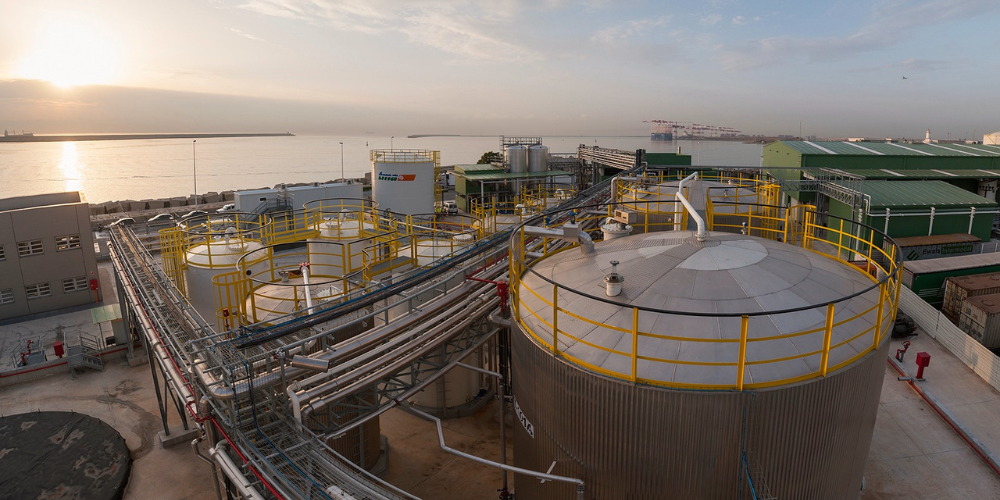
Image: Mancomunitat Penedès-Garraf
Pretreatment is the first phase of the wastewater treatment process. Its function is to remove the largest solids and mineral particles present in the water before it continues to the biological and advanced treatment stages.
When wastewater arrives at the WWTP, it carries a heterogeneous mixture of materials transported through the sewer system. These range from sand and gravel to fibers, plastics, organic matter, and other inappropriate elements that should never have entered the system.
Pretreatment is the phase responsible for separating these materials through two main operations: screening and grit removal.
Screening consists of retaining coarse solids using screens or sieves. It is a continuous operation that acts as an initial filter and prevents bulky or fibrous objects from damaging pumps, valves, or downstream equipment.
Grit removal, on the other hand, separates sand, gravel, and mineral particles that, if not removed, would cause abrasion on mechanical equipment and unwanted accumulations in channels and tanks.
Both processes generate waste that must be removed periodically to ensure uninterrupted service. This waste is classified as non-hazardous industrial waste.
Although it is inert or non-hazardous waste, it requires specific management at authorized facilities for its proper treatment and disposal.
WHY PRETREATMENT IS KEY IN A WASTEWATER TREATMENT PLANT

Image: Industria Ambiente
Pretreatment is a fundamental phase in any wastewater treatment plant (WWTP), as it allows the entire sanitation system to function correctly and reliably. Although it is a largely invisible process, it has a direct impact on the plant’s efficiency and the quality of water treatment at the Vilafranca WWTP.
At the Vilafranca del Penedès WWTP, this process is especially relevant due to the characteristics of the sanitation network and the flow variations that occur throughout the year.
Pretreatment acts as the first line of defense for the treatment plant. In this phase, coarse solids, sand, and other materials that arrive with the wastewater and that could damage equipment or interfere with the biological processes are removed. Thanks to this, the water can continue to the subsequent stages under much more controlled conditions within the Vilafranca WWTP system.
Furthermore, proper management of the wastewater treatment plant’s wastewater generated during this phase is key to maintaining the system’s stability. When the screens, channels, and grit chambers function correctly, the pumps operate within their parameters, the water flow is more uniform, and the overall treatment is more efficient. This translates into better energy efficiency, fewer breakdowns, and greater equipment durability.
Pretreatment is also essential in critical situations. During episodes of heavy rainfall or sudden increases in flow, common in Vilafranca’s sanitation network, a well-maintained and operational system can absorb these variations without affecting the functioning of the Vilafranca del Penedès Wastewater Treatment Plant.

Imagen: Ajuntament de Vilafranca del Penedès
But its importance is not only technical. The proper functioning of the treatment plant has a direct impact on the population: it helps prevent incidents in the sanitation network, reduces environmental risks, and ensures proper waste management at the treatment plant, protecting the environment where we live.
The ultimate goal of the entire wastewater treatment process at the Vilafranca Wastewater Treatment Plant (WWTP) is for the water to be returned to the environment in suitable condition. After treatment, the water is typically discharged into rivers, the sea, or aquifers, contributing to the natural balance of the environment. In some cases, it can also be reused for agricultural irrigation, green spaces, or urban cleaning. However, it does not return directly to domestic consumption: only in very specific applications and with advanced treatments can it be used for specific purposes, but not as tap water.
Therefore, the management of pretreatment waste at the Vilafranca del Penedès WWTP is a key element within the sanitation system: it guarantees the plant’s operational efficiency, improves service continuity, and contributes to the well-being and safety of the community.
HOW WASTE IS MANAGED AT THE VILAFRANCA DEL PENEDÈS WWTP
The management of pretreatment waste at the Vilafranca del Penedès WWTP is not limited to the physical removal of the material. It is a comprehensive service that combines logistics, security, documentation, operational coordination, and compliance with a demanding regulatory framework.
Each phase of the process is regulated and must be executed precisely to ensure that waste is managed safely and in accordance with current legislation.
Waste collection and storage at the treatment plant
The service begins with the installation of specific containers at the WWTP, designed to store the generated waste.
These containers must guarantee:
-
- Adequate capacity according to production.
- Safe handling.
- Compatibility with the transport loading system.
The collection frequency depends on the treated flow rate and external factors such as heavy rain or cleaning work on the sewer network, which can significantly increase waste generation.
How is waste removal coordinated?
Container removal is planned in coordination with the sanitation service to avoid interfering with plant operations and to ensure that waste does not accumulate beyond operational limits.
Removal is scheduled once the containers are full or when requested by the sanitation service.
The process includes:
-
- Prior notification.
- Access and maneuvering scheduling.
- Wastewater treatment plant (WWTP) operational authorization.
Prior notification allows for planning vehicle entry, organizing access, and ensuring that removal is carried out safely.
Waste transport and regulatory compliance
TMA transports waste using vehicles authorized for the transport of industrial waste, equipped to prevent spills, dust emissions, or material loss.
During transport, the following is guaranteed:
-
- Adequate load cover.
- Regulatory vehicle markings.
- Specific training for personnel handling industrial waste.
- Regulatory compliance regarding waste transport, following established protocols to minimize any risk.
What happens to the waste at authorized plants?
Once at the destination, the waste undergoes a control process that includes:
-
- Visual inspection.
- Weighing on an approved scale.
- Document verification.
Verification of admission criteria. Only materials that meet the acceptance criteria can be deposited. This control ensures that waste is managed properly and is not mixed with materials requiring different treatments.
Traceability and document control of waste
Traceability is a key element in industrial waste management. Every movement is recorded from its origin to its final destination, because TMA guarantees transparency, legal certainty, and regulatory compliance.
Safety in waste management at the WWTP
Waste management at a WWTP involves risks that must be controlled through safety protocols, staff training, and the proper use of personal protective equipment.
From container handling to vehicle traffic within the plant, each phase of the process is carried out with preventative measures in place.
TMA guarantees safety in waste management based on several pillars:
-
- Ongoing staff training: the team is trained in occupational risk prevention, the use of machinery, and incident response procedures.
- Appropriate personal protective equipment.
- Clear and visible signage. Preventive maintenance of vehicles and machinery, ensuring they are in perfect working order.
- Protocols for responding to spills or incidents, with immediate action to prevent environmental or occupational hazards.
- Coordination with wastewater treatment plant personnel.
Safety is not an add-on to the service: it is a structural component that guarantees management is carried out without compromising the safety of people or the environment.
BENEFITS OF PRETREATMENT WASTE MANAGEMENT AT THE VILAFRANCA WWTP
The management of pretreatment waste at the Vilafranca del Penedès WWTP, carried out by TMA, is a key service for ensuring the proper functioning of the sanitation system. Although it is a less visible task, its impact is direct on the plant’s daily operations and on environmental protection.
This work allows the WWTP to operate stably and continuously, ensuring that the water can continue its treatment process without interruptions or incidents.
Continuity of the treatment service
The periodic removal of screening and grit removal waste prevents accumulations that could affect the plant’s operation.
This allows for:
-
- Maintaining the hydraulic capacity of the channels.
- Preventing blockages in the system.
- Preventing unscheduled shutdowns.
Thanks to this management, the Vilafranca del Penedès WWTP can operate stably even during periods of high load.
Reduction of operational and environmental risks
Proper waste management minimizes the risks associated with pretreatment.
The main benefits include:
-
- Reduction of unpleasant odors and the appearance of insects or pests associated with waste accumulation.
- Reduced risk in handling waste accumulated at the facility.
- Prevention of spills or material losses during transport.
TMA’s work guarantees controlled, safe management in accordance with established protocols.
Regulatory compliance and complete traceability
The management of industrial waste at the Vilafranca WWTP is regulated by strict regulations.
The service ensures:
-
- Complete traceability of the waste from origin to destination.
- Documentation through tracking sheets.
- Weighing control and verification at an authorized waste management facility.
- Compliance with current environmental regulations.
This provides legal certainty and transparency throughout the entire process.
Improved wastewater treatment system efficiency
Proper management of pretreatment waste improves the overall performance of the wastewater treatment plant.
This translates into:
-
- Reduced wear and tear on equipment such as pumps and blowers.
- Lower maintenance costs.
- Greater energy efficiency of the system.
- Improved performance of downstream biological processes.
HOW WASTE MANAGEMENT AT A WWTP CONTRIBUTES TO THE SUSTAINABILITY OF THE TERRITORY

Image: Ajuntament de Vilafranca del Penedès
The management of pretreatment waste at the Vilafranca del Penedès WWTP is a key element in moving towards a sustainable sanitation model. Its contribution is not limited to the environmental sphere: it also strengthens the efficiency of the system, improves public planning, and contributes to environmental protection.
Proper removal and treatment prevent unsuitable materials from reaching the environment and help preserve the quality of treated water, an essential resource for the balance of rivers, aquifers, and local ecosystems. In a territory with agricultural, industrial, and urban activity, this control is fundamental to ensuring the responsible use of water.
Sustainability is also built on information. Document traceability and the monitoring of waste flows generate data that allow for anticipating needs, adjusting operations, and planning the sanitation system with more efficient criteria. This data-driven approach strengthens the region’s ability to adapt to variations in flow or episodes of heavy rainfall.
Furthermore, professional management like that provided by TMA reduces the impacts associated with transportation, minimizes operational risks, and ensures that each waste product reaches the appropriate facility for treatment. This contributes to a more transparent and responsible management model, aligned with the principles of the circular economy.
Overall, effective management of pretreatment waste helps the entire sanitation system operate more stably and efficiently. This translates into better water conservation, reduced environmental impact, and a guarantee that the treatment plant can seamlessly meet the region’s needs in the coming years.
If you need efficient waste management, tailored to your business and aligned with your 2026 environmental goals, we would be delighted to help.
Write to us at comercial@tma.es and we will prepare a personalized proposal for you.
Discover our comprehensive waste management services and join us on the path to a more sustainable future.
We take care of our customers and we take care of the environment.
We are much more than comprehensive waste management.
Follow us on TMA’s LinkedIn. Subscribe to our YouTube channel.
Contact us, we will be happy to advise and inform you.