
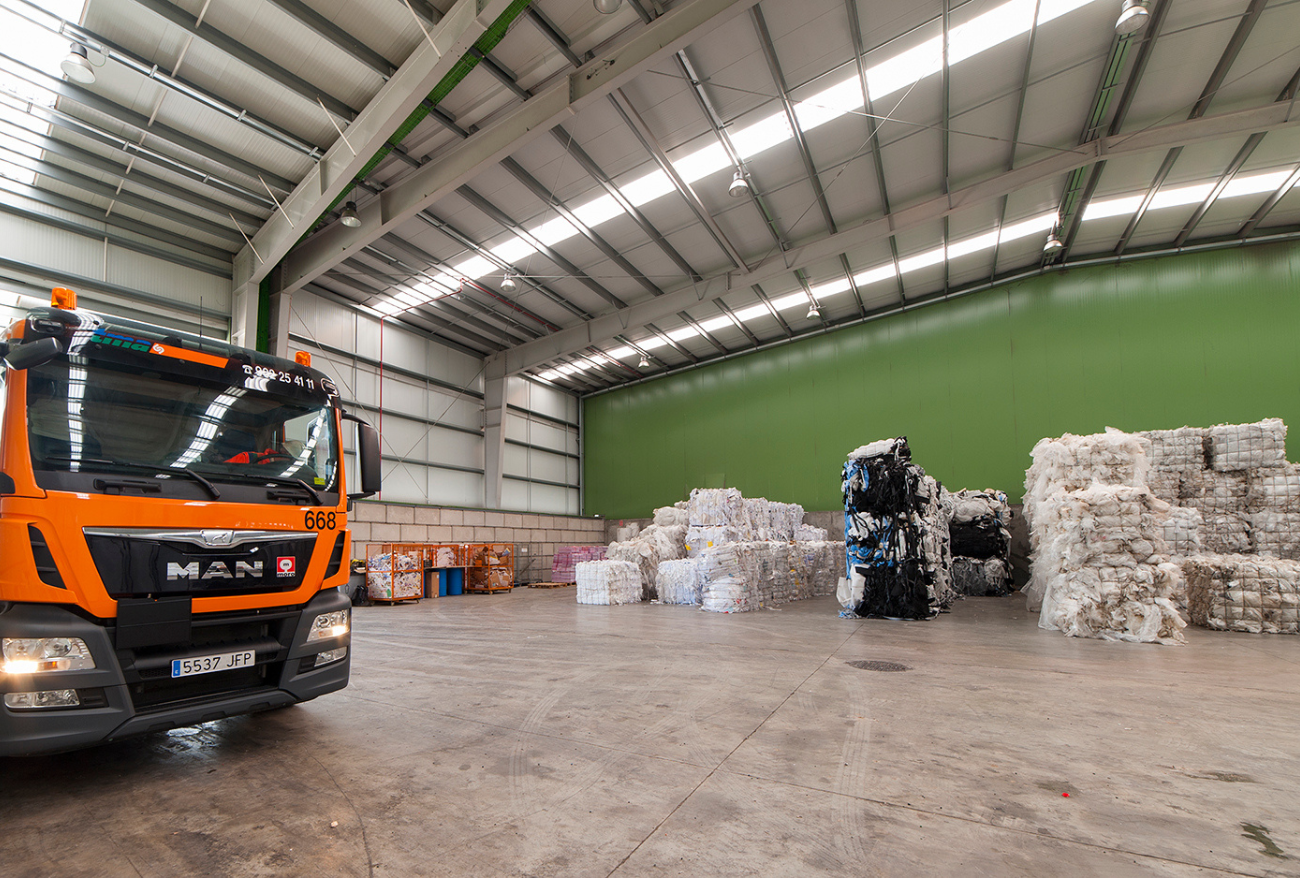
Taking care of the environment now is key to a sustainable future. That’s why it’s important to understand the waste hierarchy (or the 3 Rs rule) and the different waste recovery processes. In this article, we explain what they consist of.
Waste recovery is the process by which a specific treatment is applied to the waste generated by various activities, converting it into new, useful resources or energy. This results in economic, social, and environmental benefits, since, instead of disposing of waste in landfills or incineration, it can be reused as new opportunities.
4 WAYS TO RECOVER WASTE
There are different ways to recover waste, including:
-
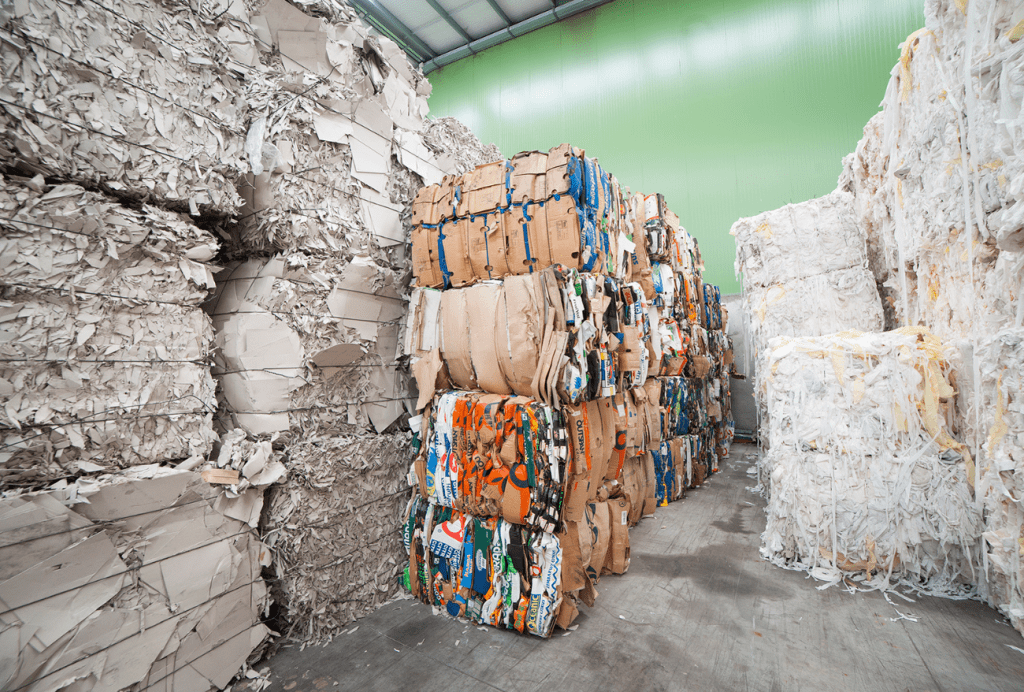
- Recycling: This involves collecting, sorting, and processing waste to obtain new materials or products. For example, through the recycling of recoverable materials: paper, plastic, glass, or metal.
- Composting: The controlled decomposition of organic materials, such as food scraps or plant residues, to obtain compost, a natural fertilizer that improves soil quality.
- Energy production: Biogas is a renewable energy source obtained from biomass (the most commonly used material being wood). Through a process called anaerobic digestion (the degradation of organic matter in the absence of oxygen in a digester), the waste is decomposed, and this organic matter is transformed into bioenergy—electricity, heat, biomethane, and biofuels.
- Energy recovery: The process by which Solid Recovered Fuel (SRF) is obtained, prepared from non-hazardous waste in incineration and co-incineration plants (industrial furnaces, thermal power plants, cogeneration plants, etc.). SRF serves as an alternative to fossil fuels such as fuel oil or gas and is primarily used in cement plants.
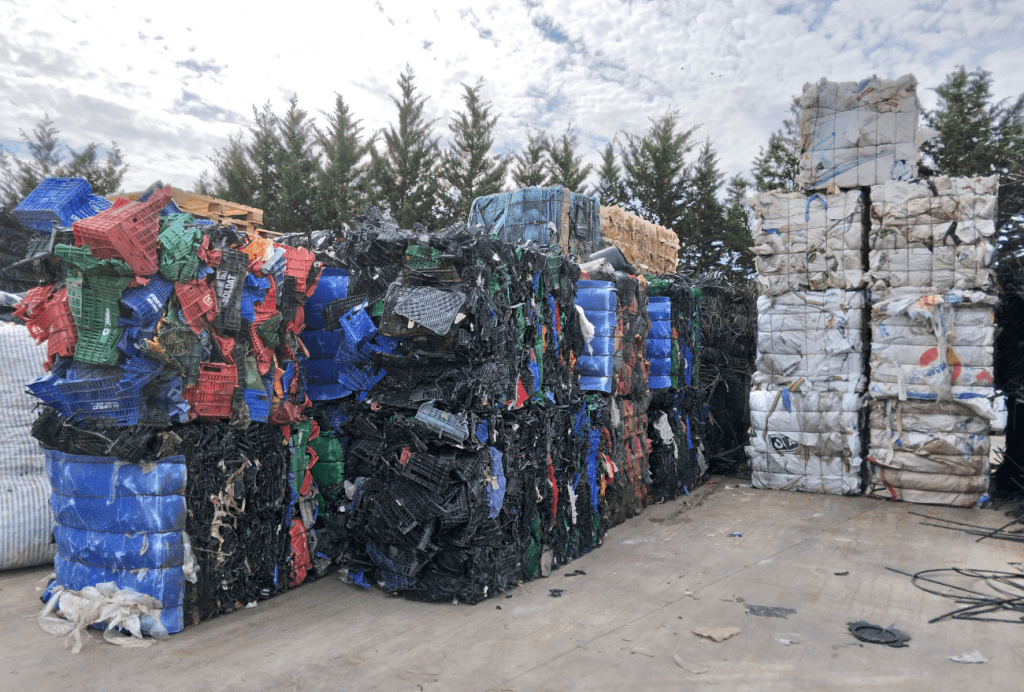
WASTE HIERARCHY AND PROMOTION OF THE CIRCULAR ECONOMY
Applying the three Rs rule: Reduce, Reuse, and Recycle, we see that waste reduction always takes priority, followed by reuse, and then recycling.
Following the waste hierarchy, and as outlined in the Circular Economy Package approved by the European Commission, recycling should be a priority, complemented by the conversion into heat or energy of waste that, given its characteristics, cannot be reused or recycled.
Ultimately, waste recovery helps reduce the amount of waste ending up in controlled landfills, thus reducing negative impacts on the environment and protecting the environment. Furthermore, it allows us to harness resources that would otherwise be wasted, save CO2 emissions, and reduce dependence on virgin raw materials.
It is important to encourage waste recovery practices at the individual and collective levels, promoting proper waste separation at source and supporting recycling and composting initiatives. It is also essential to have policies and regulations that promote waste recovery and establish waste reduction and recycling targets at the European or national level.
At TMA, we work under the “Zero Waste” philosophy: all our recycling and waste recovery activities are based on extending their life cycles to maximize their utilization and thus promote the Circular Economy.
We take care of our clients and we take care of the environment.
We are much more than comprehensive waste management.
Do you need efficient waste management or more information about the services we offer at TMA? Write to us at comercial@tma.es and we will be happy to provide you with a personalized proposal, fully adapted to your needs.
Discover our comprehensive Waste Management Services.
Follow us on TMA’s LinkedIn. Subscribe to our YouTube channel.
Contact us, we will be happy to advise and inform you.


