

Espais Verds del Vallès, part of the TMA Group, is a company committed to environmental protection and sustainable and safe management of natural spaces. Espais Verds del Vallès is the company awarded the project to create the outer protection strip in Vilassar de Dalt, the goal of which is to reduce the risk of fires and ensure the safety of people and nearby infrastructure. To achieve this, we will carry out vegetation management in a sustainable and effective manner, creating a safe and healthy environment. In this article, we explain in detail how we will execute this project to prevent fires and protect the environment.
COMMITMENT TO FIRE PREVENTION AND SUSTAINABLE FOREST MANAGEMENT IN VILASSAR DE DALT
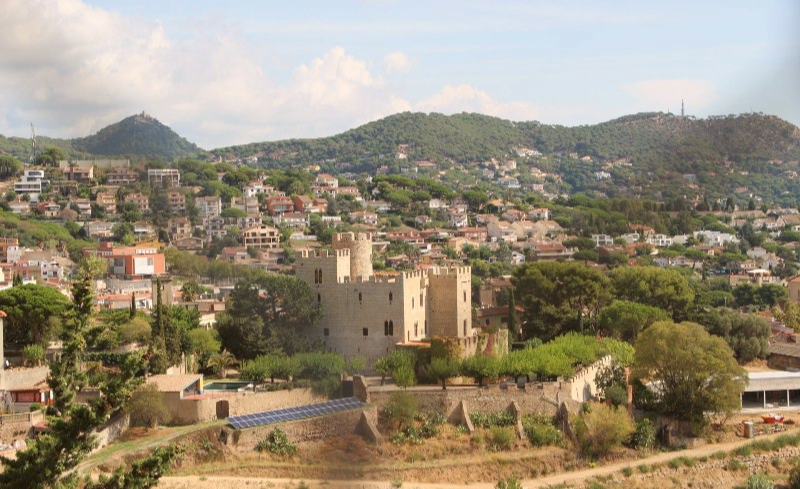
At Espais Verds del Vallès, we understand that sustainable forest management is key to ensuring the safety of communities and preserving the environment.
Fire protection involves reducing the risk of fire spread, but also implementing conservation strategies that ensure the long-term balance of the ecosystem.
As part of our commitment to sustainability and environmental protection, we have been awarded the project to create the outer fire protection strip in the urban center of Vilassar de Dalt.
The main objective of this project is to carry out actions in the outer fire protection strip of the urban center of Vilassar de Dalt to minimize the risk of fires and improve public safety.
This project is key to fire prevention, as it will reduce highly flammable vegetation and strengthen the environment’s capacity to withstand emergency situations.
The awarding of this project to Espais Verds del Vallès, part of the TMA Group, reinforces our commitment to environmental protection and citizen safety, and we will carry it out with rigor and professionalism to contribute to a safer and more sustainable environment in Vilassar de Dalt.
CREATION OF AN OUTER FIRE PROTECTION STRIP IN VILASSAR DE DALT: SAFETY AND PREVENTION
In the current context of climate change and increasing risks of forest fires, the safety of urban centers near forested areas has become a priority.
Vilassar de Dalt, a town located in a natural setting, requires improved fire prevention infrastructure to protect its residents and its surroundings.
Ensuring the safety of the population of Vilassar de Dalt with effective firefighting strategies
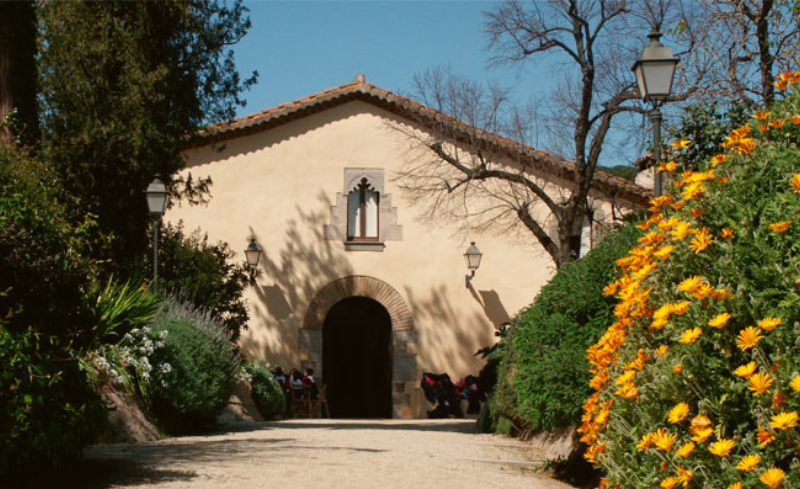 The implementation of this project is essential to ensuring the safety of the population of Vilassar de Dalt from the risks of forest fires.
Through a combination of technical measures and maintenance strategies, an effective outer protection strip will be achieved that minimizes the spread of fire, facilitates access to firefighting equipment, and improves conditions for the safety and well-being of residents.
This effort will also contribute to the conservation of the natural environment, maintaining a balance between the protection of urban areas and the sustainable management of surrounding forest areas.
With the rigorous application of these technical criteria, a protective infrastructure will be achieved that not only complies with current regulations but also sets a precedent in protecting communities from forest fires.
Objectives of the Vilassar de Dalt Firebreak Strip: Protection, Prevention, and Sustainability
-
- Minimize the Risk of Fires in Vilassar de Dalt

- Minimize the Risk of Fires in Vilassar de Dalt
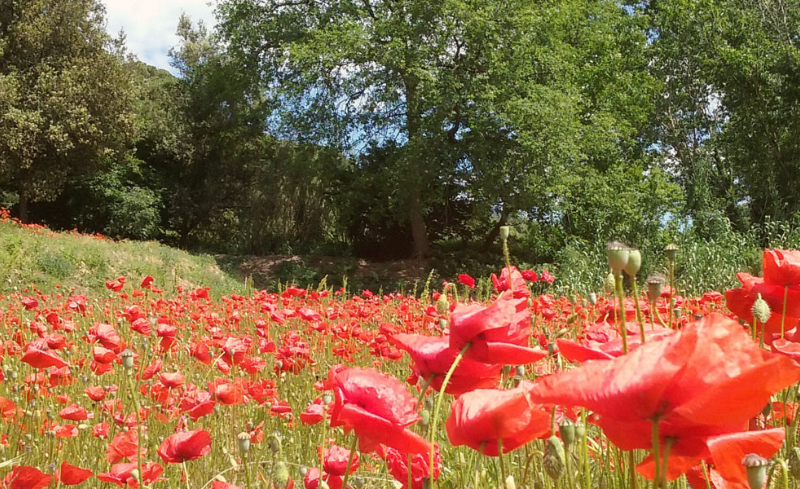
The proximity of urban areas to forested areas increases the vulnerability of residential areas, making it essential to implement a series of preventative measures to limit the potential for fire spread and protect local residents.
-
- Comply with Current Forest Fire Legislation
This project complies with current forest fire prevention regulations, which establish clear guidelines on the creation of firebreak strips and the protection of urban spaces near forested areas.
Compliance with this legislation is essential to ensure the safety of both people and the environment.
-
- Reduce the Spread of Fire in Urban and Rural Areas
The main function of the firebreak strip is to prevent fire from spreading from forested areas to urban areas.
To this end, specific measures will be implemented to limit the spread of fires, which will help contain any potential fire before it reaches the urban core.
-
- Facilitate access for firefighting equipment
- Facilitate access for firefighting equipment
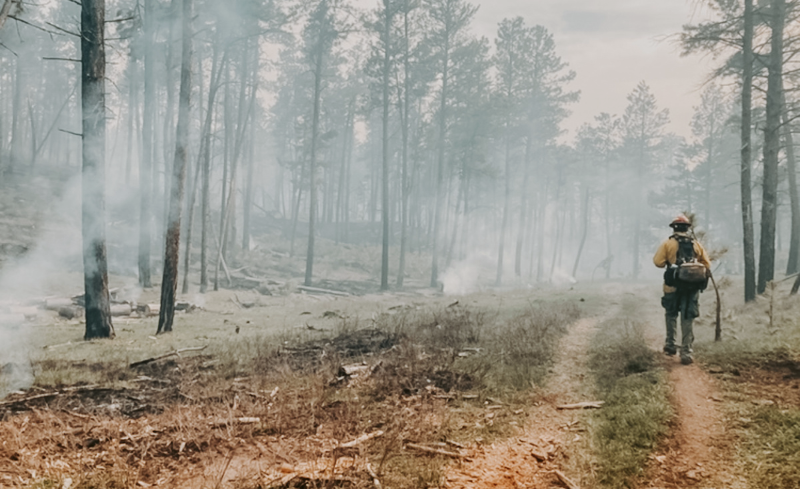
Another important objective of the project is to improve access to the outer protection strip for firefighting equipment.
This will allow for faster and more effective intervention in the event of a fire in the forest area, increasing the efficiency of control efforts and minimizing potential damage.
-
- Improve conditions for maintaining the firebreak strips
To ensure the long-term effectiveness of the outer protection strip, measures will be implemented to facilitate its periodic maintenance.
Proper clearing, pruning, and treatment of vegetation are essential to ensure that the strip remains in optimal condition for continuous fire prevention.
TECHNICAL CRITERIA FOR DESIGNING THE FIREBREAK STRIP IN VILASSAR DE DALT
The execution of the project will be based on a series of technical criteria that ensure the effectiveness of the protection strip.
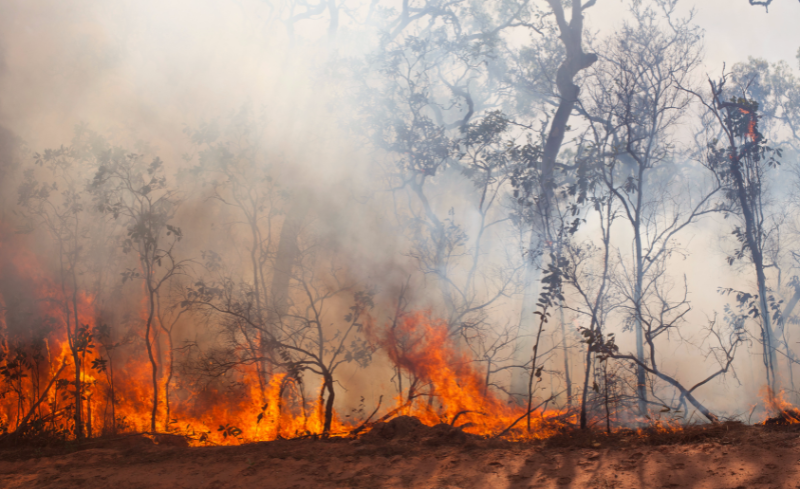
Fire protection strip dimensions
The outer protection strip must have a minimum width of 25 meters from the outer boundary of urban plots or from the facade of residential buildings on undeveloped land.
This width is crucial to ensure adequate separation between urban and forested areas, thus reducing the risk of fire spread.
Tree density in the protection strips
The tree density in the protection strip must not exceed 35% tree cover.
This limit is established to prevent the strip from becoming a high-risk area due to the concentration of vegetation that could fuel a fire. The optimal density is estimated at approximately 150 trees per hectare.
Tree trunk separation to prevent fires
To prevent the spread of fire, a minimum separation of 8 meters must be ensured between tree trunks.
This distance ensures that, in the event of a fire, the fire does not spread from one tree to another, but is limited to a small area.
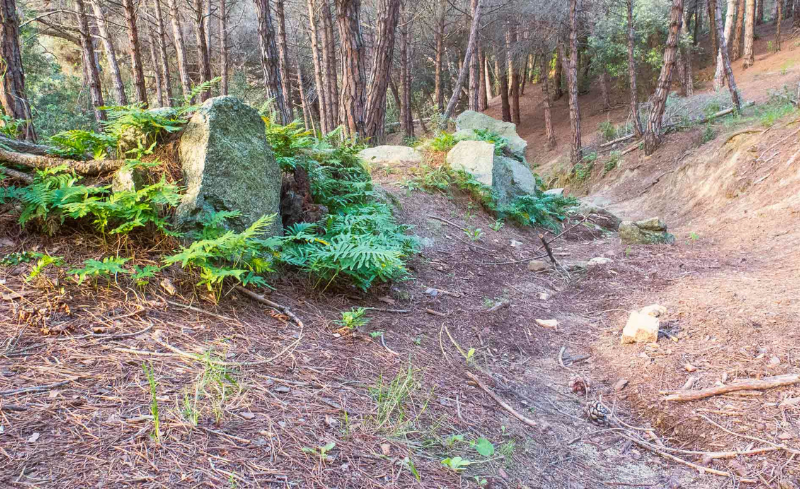
Undercut pruning in the creation of the firebreak strip
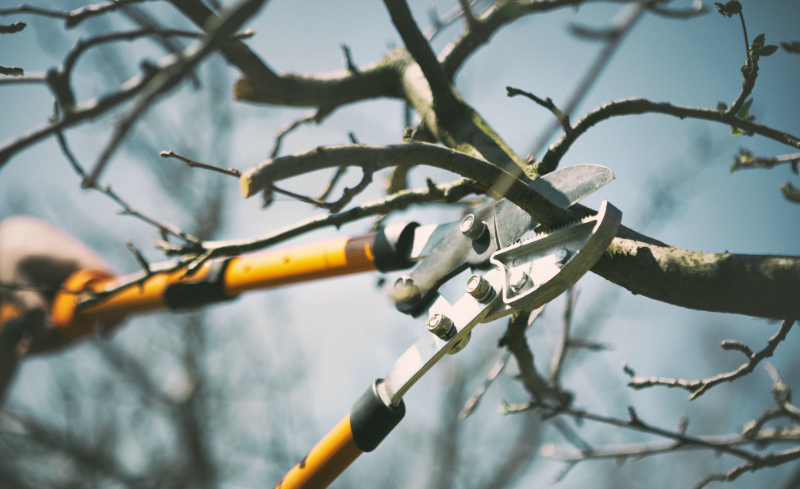
To reduce the risk of fire spread, trees will be pruned to a height of 2.20 meters, preventing flames from ascending through lower branches.
Furthermore, by removing dry vegetation and highly flammable species within the protection strip, we reduce the amount of available combustible material, which hinders the spread of fire and facilitates its control in an emergency.
Thus, the firebreak strip not only acts as a barrier to the spread of flames but also improves the conditions for rapid and safe intervention.
Brush coverage and its relationship to fire spread
Brush cover should not exceed 15% of the total area of the strip.
Excessive brush can become a highly flammable fuel, increasing the risk of fire spread.
Therefore, brush growth will be controlled to keep the strip as safe as possible.
Shredding of plant debris to minimize the risk of fires
All plant debris generated by pruning and clearing will be shredded into fragments less than 20 cm in size.
These fragments will be distributed evenly on the ground to improve water absorption and prevent the accumulation of plant material that could fuel a fire.
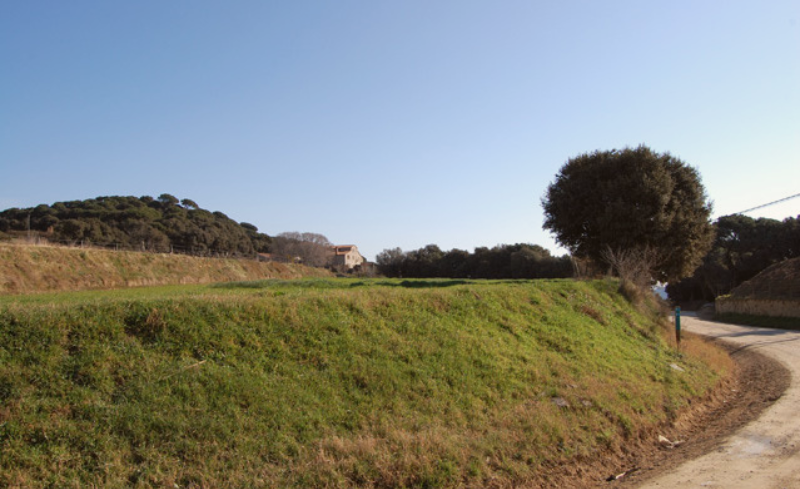
Ecosystem preservation
Reducing flammable vegetation is a key measure to prevent the spread of fires, but it is carried out in a way that does not affect the area’s biodiversity.
Practices are adopted to ensure that the local ecosystem is not altered, preserving plant and animal species.
Vegetation is managed to maintain the natural characteristics of each area, respecting unaffected vegetation areas.
Reducing environmental impact
Forest waste generated during interventions is sustainably managed.
In vegetation treatment, mulching techniques are used to allow for an even distribution of plant remains over the land, promoting their natural decomposition and recovery, thus avoiding negative impacts on the environment.
Furthermore, the implementation of mechanized methods reduces the need for manual interventions in more accessible areas, optimizing the use of human and material resources and minimizing the project’s ecological footprint.
Adjustments to ground conditions
The criteria established for the different vegetation treatment methods depend on the terrain’s slope, the presence of natural or artificial obstacles, and the accessibility of the affected areas.
The use of heavy machinery on terrain with slopes less than 40% is combined with manual interventions in more complicated areas, thus ensuring maximum effectiveness and minimal impact on the natural environment.
PLANNING AND METHODOLOGY FOR FOREST MANAGEMENT IN VILASSAR DE DALT
To ensure the correct execution of the project, several vegetation treatment methods will be used, adapted to the specific characteristics of each section of the outer protection strip and the terrain conditions.
Manual method for vegetation management in the creation of firebreak strips
This method is suitable for terrain with slopes greater than 40%, areas with difficult access, or where obstacles prevent the entry of heavy machinery.
It is essential to ensure that vegetation is managed effectively without compromising the safety of operators or the integrity of nearby infrastructure.
This approach is crucial in steeper or inaccessible areas and allows for detailed and precise work.
Mechanized method for creating fire protection strips in difficult terrain
This method is used on terrain with adequate accessibility and slopes of less than 40%, where tractors or tankers are used to carry out felling, pruning, and shredding of plant debris.
Appropriate machinery is used to facilitate efficient pruning and shredding in larger areas, reducing intervention time and increasing productivity.
This method also allows for dragging logs to loading points and shredding of plant debris.
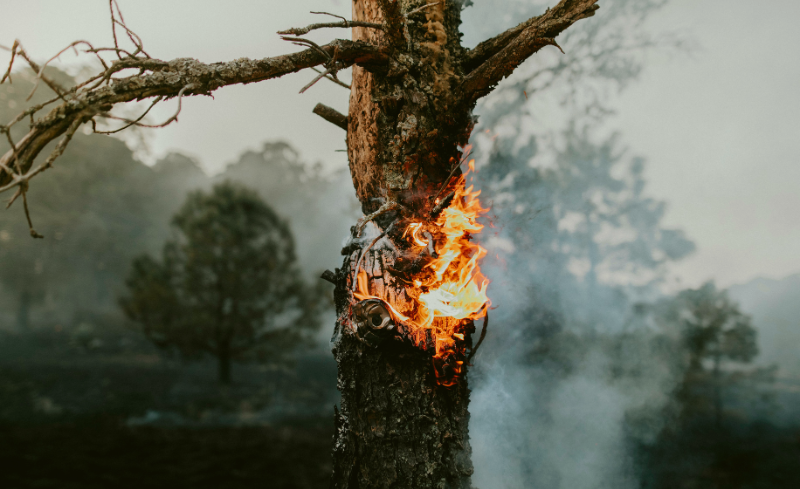
Removal of special trees with high combustibility
For trees located near sensitive infrastructure such as homes, power lines, or fences, a special approach must be taken to avoid damage. In these cases, cable support systems or trucks with lifting baskets are used.
These systems allow for controlled felling of leaning or dangerous trees, directing their fall without endangering surrounding infrastructure.
The safety of operators is a priority, and minimum safety distances are maintained to prevent accidents.
Loading Points and Forest Waste Management in Fire Prevention
Loading points play a key role in forest management logistics, as they are the points where logging debris is stored and processed before final disposal. This is essential to prevent the accumulation of flammable materials in the forest and reduce the possibility of fires.
Trees can be moved to loading points using different methods, such as skidding with specialized machinery (tractors with winches, tanks, or skidders). On land with slopes greater than 40% or at risk of erosion, it is recommended to minimize skidding to avoid compromising soil stability.
Once the trunks and plant debris have been deposited at these loading points, processes such as limbing and shredding are carried out. Espais Verds del Vallès and TMA optimize forest waste management by applying sustainable harvesting models that minimize the ecological footprint.
Through the use of specialized machinery and efficient methods, Espais Verds del Vallès and TMA prioritize the transformation of waste into reusable products, thus contributing to the Circular Economy in the forestry sector.
Likewise, protocols are implemented for the proper classification and treatment of waste, avoiding unnecessary accumulations that could lead to fires or soil degradation.
At Espais Verds del Vallès, we work to improve operational efficiency at loading points and promote the recovery of disturbed land.
It is important that these areas be restored after use, ensuring the recovery of the original vegetation to prevent land degradation and maintain the ecosystem’s biodiversity.
Restoring the environment after forestry interventions to prevent fires
Restoring the environment after forestry work is a fundamental phase to ensure the long-term sustainability of ecosystems: human intervention in forests must be accompanied by restoration strategies that allow for vegetation regeneration and soil stabilization.
Espais Verds del Vallès and TMA are committed to ensuring that the affected areas recover their ecological functionality as quickly as possible.
In the case of loading points and other work areas, it is essential that, once the felling and mulching work is completed, the land recovers its original characteristics.
This involves the reintroduction of native plant species, soil stabilization in areas at risk of erosion, and the removal of any waste that could affect environmental quality.
These actions contribute to improving the resilience of the forest and reducing vulnerability to future fires.
Espais Verds del Vallès and TMA restore the landscape after forestry work, creating habitats that are more resilient to future climate and environmental changes.
SAFETY MEASURES FOR FORESTRY WORK FOR FIRE PREVENTION
Forestry work requires the use of heavy machinery, cutting tools, and the handling of large volumes of plant material, which poses risks to both operators and the natural environment.
To mitigate these risks, it is essential to implement strict safety measures that ensure the protection of personnel and minimize the environmental impact of operations.
Espais Verds del Vallès and TMA, committed to best practices in safety and environmental management, implement protocols aligned with the international standards ISO 45001 (Occupational Health and Safety), ISO 14001 (Environmental Management), and ISO 9001 (Quality Management).
 These certifications guarantee a systematic approach to the identification, prevention, and control of occupational risks, as well as the integration of strategies for environmental sustainability and continuous process improvement.
One of the fundamental pillars of safety in forestry work is ongoing training for staff in occupational risk prevention. Espais Verds del Vallès workers are thoroughly familiar with safety protocols, proper use of machinery, and safe working techniques in different terrain conditions.
In addition, the use of Personal Protective Equipment (PPE) is mandatory, including helmets, cut-resistant gloves, safety glasses, hearing protectors, boots with reinforced toes, and flame-resistant clothing in high-risk fire areas.
Signage and demarcation of work areas is another key aspect to prevent unauthorized access and reduce the possibility of accidents. In logging and forest waste loading areas, Espais Verds del Vallès uses physical barriers, signaling tape, and informational signs to warn of hazards and restrict access to unqualified personnel.
In addition, weather conditions are constantly monitored. Factors such as extreme drought, strong winds, or high temperatures can significantly increase the risk of fires or make it difficult to safely operate machinery. In the event of adverse conditions, work is rescheduled or additional measures are taken to minimize risks.
The implementation of these measures by Espais Verds del Vallès guarantees worker safety and reinforces our commitment to environmental conservation.
Espais Verds del Vallès’ forestry work is safe and sustainable, aligned with the principles of quality, environmental responsibility, and occupational health protection.
ESPAIS VERDS DEL VALLÈS’ ROLE IN FOREST FIRE PREVENTION
At Espais Verds del Vallès, we have extensive experience in sustainable forest management, ensuring balanced interventions that optimize fire prevention without compromising natural regeneration.
We are responsible for the creation and maintenance of firebreaks, respectfully removing flammable vegetation and converting these firebreaks into biodiversity corridors that promote fire-resistant native species, improving the health of forest ecosystems.
Furthermore, we efficiently manage the plant waste generated during these projects, transforming it into useful resources. This contributes to the Circular Economy and reduces the risk of fires.
We apply techniques such as vegetation mulching and controlled understory reduction to reduce flammable vegetation, promoting natural regeneration.
With each action, we create natural barriers that protect both people and biodiversity, promoting a safer and more sustainable environment where nature and people coexist in balance and protection.
We care for our clients.
We care for the environment.
If you would like more information about our services or have any questions, please don’t hesitate to contact us at espaisverds@tma.es.
At Espais Verds, we work for a greener, safer, and more sustainable future for all!
Discover our comprehensive Gardening.
Follow us on TMA’s LinkedIn. Subscribe to our YouTube channel.
Contact us, we will be happy to advise and inform you.


