Waste management in companies has become a key element for improving operational efficiency, ensuring regulatory compliance, and moving toward more sustainable models.
More and more organizations in Barcelona, Catalonia, and the rest of Spain are looking to optimize waste management in companies—both hazardous and non‑hazardous—to reduce costs, improve traceability, and make better use of the materials generated in their operations.
With a strategic approach, waste management stops being merely a legal requirement and becomes an opportunity for improvement and optimization within the company.
In industrial, healthcare, logistics, commercial, and service sectors, waste generation is part of daily activity. The key is not to eliminate waste entirely, but to manage it efficiently through source separation, logistics adapted to the company’s real needs, and recovery of valuable materials that can be reintegrated into new production cycles.
In this context, many companies wonder how to improve their waste management system without increasing their budget. Experience shows that the greatest savings come from reviewing existing processes, identifying recovery opportunities, and optimizing the management of generated materials.
Discover how to improve waste management in your company and which actions can reduce costs without requiring major investments.
WHY MANY COMPANIES PAY MORE THAN NECESSARY FOR WASTE MANAGEMENT
In many organizations, the management of industrial and hazardous waste is approached solely from the perspective of regulatory compliance.
This means that waste is managed only once it has been generated, without analyzing how it is produced or what improvements could be applied.
This reactive approach leads to inefficiencies that, over time, increase management costs. Some of the most common issues include:
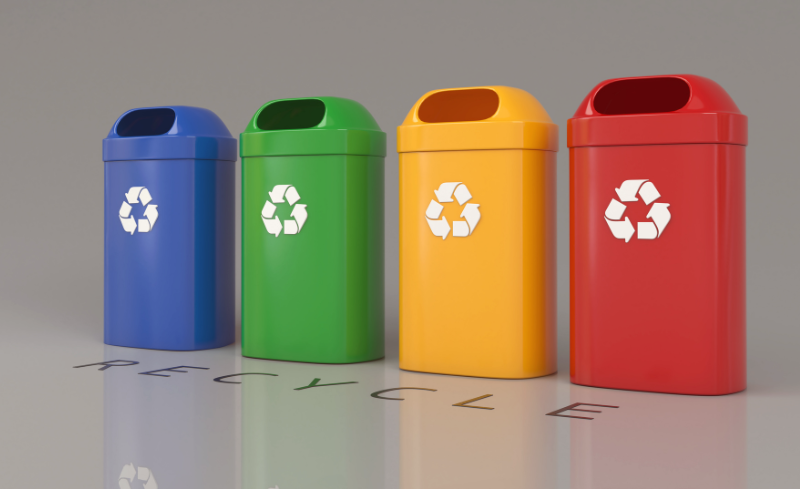
Lack of source separation. When waste streams are mixed, it becomes more difficult to apply recycling or recovery processes, limiting treatment options and increasing management costs.
Collection logistics not adapted to real needs. Collection frequencies that do not match the actual volume of waste generation create unnecessary logistics costs and storage problems.
Lack of awareness of recovery potential. Materials such as metals, industrial plastics, cardboard, wood, or certain by‑products may have different treatment pathways if managed correctly.
Lack of specialized advisory support. When management is limited to collection and transport, companies miss opportunities to improve efficiency, traceability, and sustainability.
When these factors combine, the company pays more than necessary and misses the opportunity to turn waste management into a tool for operational optimization.
By reviewing these aspects and adopting a strategic vision, many companies in Catalonia and Barcelona discover that it is possible to significantly improve waste management without increasing their budget—reducing costs and generating value from materials previously considered waste.
HOW TO OPTIMIZE WASTE MANAGEMENT IN A COMPANY: 5 STRATEGIES TO IMPROVE EFFICIENCY AND REDUCE COSTS
Optimizing waste management does not necessarily require major investments.
In many cases, it is enough to review existing processes, improve the organization of generation points, and apply more efficient management criteria.
These are some of the measures many companies apply to improve their waste management system:
Improve source separation
Source separation is one of the fundamental pillars of efficient waste management.
When waste is correctly classified at the point of generation, it becomes much easier to apply recycling or recovery processes. It also reduces the costs associated with treating mixed waste.
Proper separation allows companies to:
-
-
-
- Facilitate material recycling
- Recover waste that can be valorized
- Improve traceability of managed materials
- Comply more easily with environmental regulations
-
-
For example, correctly separating plastics, metals, or cardboard allows these materials to be directed to specific treatment circuits, optimizing their recovery and reducing management costs.
Review collection frequencies

Many companies maintain collection contracts established years ago that no longer reflect their current activity.
This can lead to two inefficient situations: overly frequent collections or excessive accumulation of waste.
Analyzing generation flows allows companies to adjust collection schedules and optimize logistics. In some cases, reorganizing storage points or adapting container types can significantly improve system efficiency.
Proper collection planning helps optimize resources and improve internal organization.
Identify waste that can be recovered
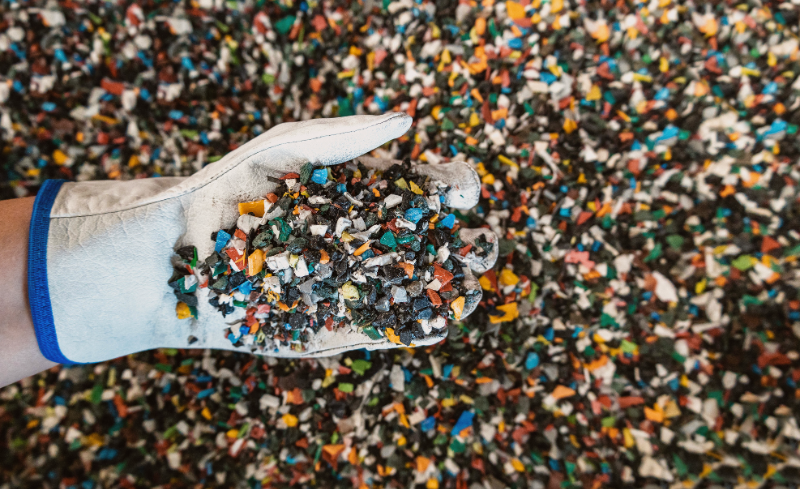
Material recovery is one of the keys to sustainable corporate waste management.
Many waste streams generated in industrial, healthcare, or logistics activities contain materials that can be recovered and reintroduced into the value chain.
Common recoverable materials include:
-
-
-
- Industrial plastics.
- Metals.
- Cardboard and paper.
- Wood.
- Construction waste.
- Certain by‑products from production processes.
-
-
Identifying these materials reduces the amount of waste requiring final treatment and, in some cases, generates value from them.
Analyze processes where material loss occurs
Another way to improve waste management is to analyze internal processes to identify points where material surpluses or inefficient consumption occur.
Reviewing raw material use, improving packaging systems, or reorganizing waste‑generation points can significantly reduce the total volume of materials requiring management.
This approach aligns with continuous improvement principles applied in many companies.
Work with a licensed waste management provider
The final key factor for optimizing waste management is working with an licensed waste management provider that brings real value to the company.
A specialized waste manager does more than collect waste. They can also:
-
-
-
- Analyze waste generation flows.
- Identify recovery opportunities.
- Optimize collection logistics.
- Ensure full documentation and traceability.
- Provide support on environmental compliance.
-
-
In regions with strict environmental regulations, such as Barcelona or Catalonia, working with a specialized provider ensures legal compliance and improves system efficiency.
WHICH CORPORATE WASTE CAN BE RECOVERED
More companies are discovering that a significant portion of the waste they generate can be reintroduced into the value chain through different treatment processes.
Waste recovery consists of applying procedures that allow the materials contained in waste to be used, preventing the loss of resources that still have value.
Common recoverable waste streams include:

Industrial plastics
From packaging, containers, or manufacturing processes.
Metals
Metal scraps generated in industrial or maintenance processes.
Cardboard and paper
Very common in logistics, commercial, and industrial sectors.
Wood
Pallets, packaging, or materials used in transport and storage.
Construction and demolition waste
Materials that can be transformed into new resources for various uses.
The key to leveraging these opportunities is correctly identifying materials and applying the most appropriate treatment in each case.
WHAT IS THE ZERO WASTE MODEL FOR COMPANIES
The Zero Waste concept is based on minimizing the amount of waste requiring final treatment.
In the corporate context, this approach does not mean eliminating waste entirely, but managing resources more efficiently so that most materials can be reused, recycled, or recovered.
Applying this philosophy in a company involves:
-
- Analyzing material flows.
- Improving source separation.
- Identifying recovery opportunities.
- reducing single‑use materials.
- collaborating with sustainability‑focused suppliers.
More companies are integrating these principles into their sustainability and circular economy strategies.
If you want to delve into strategies to improve waste management in companies, you can consult our complete guide on solutions for waste management in companies.
HOW TO CHOOSE A LICENSED WASTE MANAGEMENT PROVIDER FOR YOUR COMPANY
Choosing a waste management provider is a key decision for any company generating hazardous or non‑hazardous waste.
Not all providers offer the same level of service or treatment capabilities.
Important criteria include:
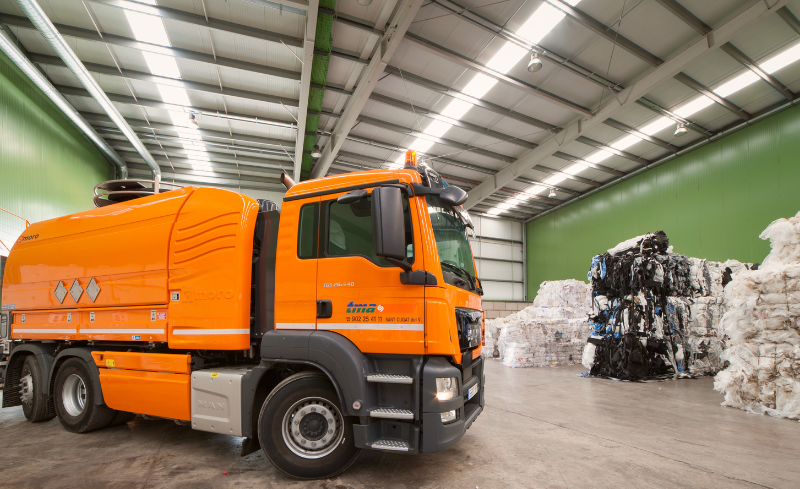
Administrative authorization
The provider must be authorized to manage the types of waste generated by the company.
Documentation and traceability
It is essential to have all documents that certify proper waste management.
Recovery capabilities
A provider with multiple different waste treatment options can offer more efficient solutions.
Technical advisory services
Environmental regulations evolve constantly, so specialized support is essential.
Cost optimization
An experienced provider can identify improvement opportunities that reduce management costs.
FAQ: FREQUENTLY ASKED QUESTIONS ABOUT CORPORATE WASTE MANAGEMENT
What types of waste must be handled by a licensed waste management company?
All businesses generate waste, but not all waste can be handled in the same way. Waste that poses risks to health or the environment must be managed exclusively by authorized waste management companies.
This primarily includes hazardous waste, such as:
-
-
-
- Used industrial oils and lubricants.
- Solvents and chemicals.
- Batteries and accumulators.
- Contaminated paints, varnishes, or containers.
- Materials resulting from machinery maintenance.
-
-
But it’s not only hazardous waste that requires professional attention. Many non-hazardous wastes, such as industrial plastics, metals, cardboard, wood, or certain production byproducts, must also be collected and treated by registered operators. This ensures regulatory compliance, full traceability, and the possibility of recycling or recovery.
Having a licensed waste management company is not only mandatory: it’s the most efficient way to transform your company’s waste into usable resources, reduce costs, and minimize legal or environmental risks.
What is industrial waste?
Industrial waste consists of materials or substances generated during a company’s operations, especially in production, maintenance, logistics, or technical services.
It can be solid, liquid, or semi-solid and includes a wide variety of materials, such as:
-
-
-
- Metal or plastic scraps from manufacturing processes.
- Used industrial oils.
- Solvents or chemicals.
- Packaging, cardboard, or wood.
- Waste from machinery maintenance.
-
-
Depending on their characteristics, this waste can be classified as hazardous or non-hazardous and must be managed by authorized waste management companies that guarantee its proper collection, transport, and treatment in accordance with environmental regulations.
What waste is considered hazardous in a company?
Hazardous waste includes materials that may pose risks to health or the environment.
Common examples include:
-
-
-
- Used industrial oils.
- Solvents.
- Chemical products.
- Batteries.
- Paints and varnishes.
-
-
These waste streams must be managed following specific procedures established by environmental regulations.
How should hazardous waste be stored in a company?
Hazardous waste must be stored safely and in accordance with current environmental regulations to avoid risks to people and the environment.
In general, it must be stored:
-
-
-
- In suitable and approved containers according to the type of waste.
- Properly labeled, indicating the type of waste and its hazards.
- In specific, clearly marked storage areas with restricted access.
- Avoiding mixing with other incompatible waste.
-
-
Furthermore, it is important to maintain documentation and traceability to ensure that this waste will be collected, transported, and treated by authorized waste management companies.
Proper management and storage facilitate safe collection and ensure compliance with waste regulations.
What is biohazardous waste and how is it managed?
Biohazardous or healthcare waste is waste generated in healthcare facilities, clinics, laboratories, veterinary centers, or other health-related activities that may present biological or chemical risks.
Some common examples include:
-
-
-
- Syringes, needles, and sharps.
- Materials contaminated with blood or biological fluids.
- Clinical laboratory waste.
- Microbiological cultures.
- Chemicals used in analyses or treatments.
-
-
This waste requires specific management, including proper separation, storage, traceability, and treatment, to prevent health and environmental risks.
For this reason, it must always be delivered to authorized waste management companies specializing in healthcare waste, who guarantee its collection and treatment in accordance with current regulations.
How much does waste management cost for a company?
Costs depend on:
-
-
-
- Type of waste generated.
- Volume.
- Collection frequency.
- Required treatment.
-
-
Optimized management reduces costs through better source separation, material recovery, and improved collection logistics.
Which regulations govern waste management in companies in Catalonia?
Companies must comply with current environmental regulations and ensure full traceability of generated waste.
This includes:
-
-
-
- Treatment contracts with authorized providers.
- Waste generation records.
- Identification documents during transport.
-
-
Which documentation must a company have to manage its waste?
Common documents include:
-
-
-
- Contracts with authorized waste managers.
- Waste generation records.
- Waste identification documents.
- Collection and treatment certificates.
-
-
These documents ensure legal compliance and waste traceability.
What is the difference between recycling and recovery?
Recycling is a specific process that converts waste into new raw materials ready for production.
Waste recovery is a broader concept that includes all processes that allow waste to be used to generate value, such as:
-
-
-
- Recycling.
- Reuse.
- Energy recovery.
- Material recovery.
-
-
In short: recycling is a type of recovery, but recovery includes more options than recycling.
What is waste recovery and how is it applied in companies?
Waste recovery consists of giving a new use or value to waste generated by a company, turning it into a resource rather than a discarded material.
In companies, recovery is applied through:
-
-
-
- Recycling of materials such as paper, plastics, metals, or wood.
- Reuse of packaging, components, or by‑products.
- Energy recovery to generate heat or electricity.
- Recovery of valuable materials present in certain waste streams.
-
-
Benefits for companies:
-
-
-
- Lower volume of waste to manage.
- Cost savings in treatment and transport.
- Potential revenue from recoverable materials.
- Improved environmental performance and compliance.
-
-
-
What responsibilities does a company have regarding its waste?
The generating company is responsible for ensuring that waste is properly managed from its creation to its final treatment, including separation, storage, documentation, and delivery to authorized providers.
When is it mandatory to hire an authorized waste manager?
Whenever hazardous waste or non‑hazardous waste subject to specific regulations is generated. It is also advisable to optimize material recovery and minimize legal and environmental risks.
How can I reduce waste management costs in my company?
Effective strategies include:
-
-
-
- Improving source separation.
- Identifying recoverable waste streams.
- Adjusting collection frequencies and routes.
- Working with specialized providers to optimize logistics and traceability.
-
-
What is waste traceability and why is it important?
Traceability documents the journey of waste from its generation to its final treatment. It demonstrates regulatory compliance, facilitates audits, and ensures that hazardous waste does not create environmental or legal risks.
What benefits does proper waste management bring to my company?
-
-
-
- Guaranteed regulatory compliance.
- Reduced operational costs.
- Greater efficiency in internal processes.
- Improved corporate reputation.
- Recovery of valuable materials.
- Reduced environmental risks and penalties.
-
-
How does European regulation affect waste management in Spanish companies?
European regulations establish principles such as “polluter pays” and promote the circular economy. Companies must ensure that their waste is managed according to these guidelines and that their providers are authorized and compliant.
What happens if I do not comply with waste management regulations?
Non‑compliance can lead to financial penalties, legal liabilities, reputational damage, and serious environmental risks. This is why working with an authorized waste provider and maintaining complete documentation is essential.
WASTE MANAGEMENT AS AN OPPORTUNITY FOR COMPANIES
For years, waste management was seen only as an administrative obligation to avoid penalties.
However, the evolution of environmental regulations, the development of new treatment technologies, and the growing importance of sustainability have changed this perspective.
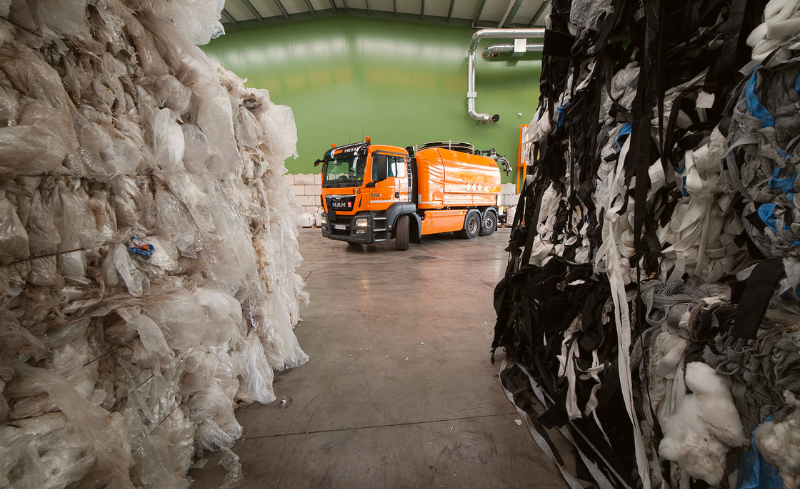 Today, optimizing waste management allows companies to:
-
- Reduce operational costs.
- Improve internal process efficiency.
- Move toward circular economy models.
- Strengthen environmental responsibility.
Many organizations seek to optimize waste management in companies to improve efficiency and reduce operating costs. When managed correctly, waste stops being just a material to be handled and becomes part of a resource optimization strategy.
For this reason, more companies are incorporating waste management into their sustainability and operational efficiency policies, understanding that professional management not only ensures compliance but can also provide long‑term value.
In regions with high business activity such as Barcelona and Catalonia, working with an authorized waste management provider allows companies to comply with regulations and optimize the management of hazardous and non‑hazardous waste.
RELATED NEWS
How to manage waste effectively in companies: prevention, recovery, and business sustainability.
Comprehensive waste management in companies: towards a circular economy.
Solutions for waste management in companies: a practical guide and actions to reduce waste.
We take care of our customers and we take care of the environment.
We are much more than comprehensive waste management.
Follow us on TMA’s LinkedIn. Subscribe to our YouTube channel.
Contact us, we will be happy to advise and inform you.