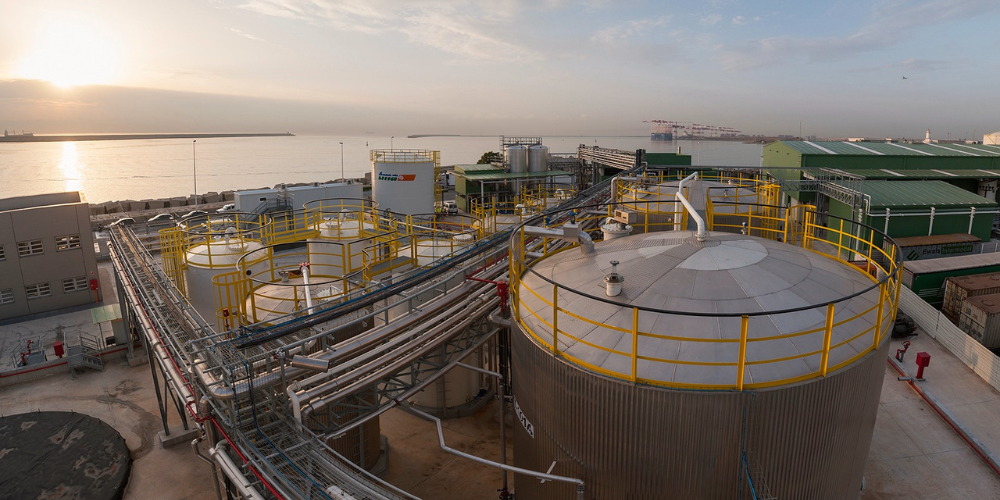
TMA reinforces its commitment to sustainability and obtains the Zero Waste Certification, which certifies our efforts in reducing emissions and in efficient waste management. In the framework of the World Day for the Reduction of CO₂ Emissions, also called the World Day of Action against Global Warming, we highlight how correct waste management minimizes the carbon footprint and also promotes the Circular Economy. Climate change is one of the greatest environmental challenges and waste management plays a key role in reducing emissions and in the transition towards a more sustainable model. Continue reading to learn more about how to reduce CO₂ emissions and minimize the environmental footprint.
ZERO WASTE CERTIFICATION: CONTINUOUS COMMITMENT TO SUSTAINABILITY AND THE ENVIRONMENT

We are proud to have obtained the Zero Waste Certification, a recognition for those organizations that manage to recover at least 90% of their waste and which endorses our implementation of efficient processes.
This recognition is added to our certifications and reinforces our leadership in the sector and our commitment to sustainability.
The Zero Waste Certification and the Calculo Seal recognize our firm commitment to caring for the environment and reducing the environmental impact derived from industrial activities and waste management.
At TMA we comply with the most demanding environmental regulations and promote the Circular Economy in our daily activities, through sustainable practices that allow us to keep resources in use for as long as possible, extracting their maximum value, minimizing the generation of waste and also minimizing the need to extract new materials.
With all this, we reduce the environmental impact of all our activities to a minimum and reaffirm our commitment to the Zero Waste philosophy, which is present in all our processes and activities.
WE ARE ZERO WASTE: HOW TO REDUCE EMISSIONS FROM WASTE MANAGEMENT

Obtaining the Zero Waste Certification has been the result of a continuous effort to improve our processes and management systems.
Some of the key actions that have allowed us to achieve this recognition are:
Optimization of waste management
-
- We implement a rigorous system of separation, classification and recovery in our treatment plants.
- We ensure the traceability of each waste from its generation to its final recovery.
- We reduce the waste generated in our own operations through efficiency and optimization measures.
Advanced infrastructure and technology
-
- We have modern plants for sorting industrial and urban waste.
- We have a fleet of specialized vehicles for the safe transport of hazardous and non-hazardous waste.
- We invest in innovation and digitalisation to improve efficiency in waste collection, transport and treatment.
HOW TMA MINIMIZES WASTE AND MAXIMIZES REUSE
The “Zero Waste” concept goes beyond simple recycling.
It is a philosophy that seeks to completely eliminate the generation of waste by reducing, reusing and recovering materials.
At TMA, this philosophy is applied in each of our operations, encouraging the optimisation of resources and promoting a business culture based on sustainability and efficiency.
Waste recovery: every waste is an opportunity
Every waste has the potential to become a new resource.
Waste recovery is a key process in the efficient and sustainable management of waste, as it allows materials to be recovered and their energy potential to be used instead of being sent to landfills.
Through recycling, reusing and converting into energy, the environmental impact is reduced, the use of natural resources is optimised and the fight against climate change is contributed to.
This approach is essential to move towards a Circular Economy, where waste is no longer a problem but is transformed into opportunities for a more sustainable future.
Low-emission fleet and route optimization
Waste transport is one of the main sources of CO2 emissions in the sector.
To address this challenge, TMA has implemented a sustainable mobility strategy based on:
-
- Incorporation of low-emission vehicles, such as electric and LPG hybrid trucks, reducing the environmental impact of waste transport.
- Optimization of collection routes through advanced technology, with real-time geolocation systems that allow us to optimize services, reducing distances traveled and fuel consumption.
Thanks to these measures, TMA manages to significantly reduce its environmental impact and improve efficiency in waste management, aligning with the UN Sustainable Development Goals (SDG).
WORLD DAY FOR THE REDUCTION OF CO2 EMISSIONS
Every January 28th, the World Day for the Reduction of CO2 Emissions is commemorated, a key date to raise awareness about the importance of reducing the carbon footprint to mitigate climate change.

There are many actions that we can take to reduce greenhouse gas emissions, such as the use of renewable energy, energy efficiency and sustainable mobility.
In a world that is increasingly aware of the importance of caring for our planet, waste management and sustainability have become fundamental pillars for companies committed to the environment.
Adopting responsible practices benefits the environment and also strengthens corporate reputation and promotes sustainable economic development.
Waste management plays a key role in this mission, since proper separation and treatment can prevent the emission of large quantities of greenhouse gases.
At TMA we work every day to reduce CO2 emissions through efficient waste management, investing in innovative and sustainable processes that minimise the carbon footprint and contribute to a cleaner future.
The efficient waste management that we carry out at TMA involves the proper collection, transportation and treatment of waste, with the aim of minimising the environmental impact.
All of this contributes to sustainability and the Circular Economy by reducing pollution, lengthening the life cycle of materials and minimising the need to use more natural resources.
TMA joins the World Day for the Reduction of CO2 Emissions by reinforcing its commitment to sustainability and the reduction of emissions through innovation in waste collection, transportation and treatment processes.
With the new Zero Waste Certification, our low-emission fleet and our commitment to the Circular Economy in comprehensive waste management, we have shown that it is possible to combine business strategy with environmental responsibility.La gestión de residuos juega un papel clave en esta misión, pues una correcta separación y tratamiento puede evitar la emisión de grandes cantidades de gases de efecto invernadero.
HOW TO REDUCE CO2 EMISSIONS WITH EFFICIENT AND SUSTAINABLE WASTE MANAGEMENT
Recycling and Reuse
-
 By recycling materials such as paper, plastic, glass and metals, the extraction and processing of new raw materials is avoided, thus reducing industrial emissions.
- Promoting the reuse of packaging and products extends their useful life and minimises waste.

Energy Recovery
-
- Using non-recyclable waste to generate energy in energy recovery plants reduces dependence on fossil fuels and decreases CO2 emissions.
Composting and Biogas
-
- The treatment of organic waste through composting prevents the generation of methane in landfills and produces natural fertilisers.
- The production of biogas from waste allows the generation of clean energy and the sustainable use of by-products.
Transport and Logistics Optimization
-
- Use of electric or gas vehicles for waste collection.
- Route optimization to reduce fuel consumption.
- Implementation of transfer centres to minimise unnecessary travel.
Circular Economy and Sustainable Design
-
- Betting on eco-designed products that reduce their environmental impact from manufacturing to end of life.
- Promoting business models based on repair and reuse.
THE FUTURE OF WASTE MANAGEMENT AND BUSINESS SUSTAINABILITY
Commitment to sustainability is no longer an option, but a necessity for companies that want to act responsibly and competitively.
Zero Waste certification, waste recovery and emissions reduction are key actions to move towards a more sustainable future.
At TMA we want to continue to be a benchmark in efficient waste management, with innovative initiatives that benefit the environment and also add value to our customers and society.
Through efficient management, the use of advanced technology and a firm commitment to the Circular Economy, it is possible to build a cleaner and more sustainable worl
THE IMPACT OF WASTE MANAGEMENT ON CLIMATE CHANGE
Inadequate waste management generates emissions of CO2 and other harmful gases such as methane (CH4), especially when waste ends up in landfills without adequate treatment.

To address these challenges, it is essential to adopt sustainable strategies based on the Circular Economy and technological innovation.
One of the key sectors in this fight is waste management.
Although its impact is often overlooked, efficient waste management can make a difference in reducing polluting emissions.
Since our beginnings, at TMA we have been committed to a business model based on the Circular Economy.
Our goal is to manage waste efficiently and transform it into new resources for different industries. Through innovative processes, we ensure that materials are recovered and reincorporated into the production cycle, thus reducing the environmental impact and promoting more sustainable consumption.
Furthermore, the Zero Waste Certification we have obtained positions us as a leading partner in waste management and boosts the competitiveness of the companies we work with, as many organizations want suppliers with a strong environmental commitment.
In a context where environmental regulation is increasingly demanding, having optimized and certified processes can make a difference.
The Zero Waste Certification endorses us as an efficient company committed to sustainability and the environment in all the activities and processes we carry out.
THE FUTURE OF WASTE MANAGEMENT AT TMA
By obtaining the Zero Waste Certification, at TMA we reaffirm our mission to continue innovating and improving our operations to achieve a 100% sustainable management model.
We will continue investing in technology, optimizing our processes and promoting strategic alliances that allow us to continue leading the efficient waste management sector.
If your company is looking to improve its waste management and reduce its environmental impact, at TMA we can help you on this path to sustainability.
FREQUENTLY ASKED QUESTIONS (FAQ)
What is the Zero Waste certification?
The Zero Waste certification is a recognition granted to companies and organizations that have implemented practices to minimize waste sent to landfills, promoting recycling and reuse of materials. It is a recognition that validates a company’s ability to minimize its waste and make the most of its resources.
How does the Zero Waste certification contribute to reducing emissions?
Companies with this certification optimize their production processes, promote recycling and encourage the reuse of materials, actively contributing to the reduction of global emissions.
What requirements must a company meet to obtain the Zero Waste certification?
To obtain the certification, a company must demonstrate that it has significantly reduced its waste through recycling, reuse and reduction strategies, and that it complies with current environmental regulations and standards.
Why is it important to reduce greenhouse gas emissions?
Reducing greenhouse gas emissions is essential to slow climate change and mitigate its effects, such as rising temperatures, extreme weather events and loss of biodiversity. In addition, it contributes to improving air quality, reducing respiratory and cardiovascular diseases related to pollution. It also has a positive impact on the economy, as it encourages innovation in clean energy, improves energy efficiency and reduces dependence on fossil fuels, promoting more sustainable and resilient development for the future.
What role do companies play in reducing emissions?
Companies play a key role in reducing emissions by adopting sustainable strategies in their operations. This includes optimizing the use of resources, investing in clean technologies, implementing energy efficiency plans and promoting the Circular Economy. In addition, they can encourage responsible practices in their supply chain and raise awareness among employees and customers about the importance of reducing the carbon footprint. Obtaining certifications such as “Zero Waste” demonstrates their commitment to sustainable management and a positive environmental impact.
How does waste management affect climate change?
Efficient waste management significantly reduces greenhouse gas emissions, especially methane, which is generated in landfills. By recycling, reusing and valorizing waste, the extraction and production of new materials is avoided, reducing energy consumption and associated pollution. In addition, initiatives such as the recovery of organic waste to generate biogas or compost contribute to a more sustainable economy and the reduction of the carbon footprint.
How can companies reduce their carbon footprint through waste management?
Companies can reduce their carbon footprint by adopting Circular Economy models, in which waste is converted into resources instead of being thrown away. This is achieved through efficient separation and recycling, reducing waste at source, using recycled materials and implementing more sustainable production processes. In addition, collaborating with specialized waste managers ensures proper treatment and lower generation of polluting emissions.
What can we do to reduce emissions in our daily lives?
Some actions include using sustainable transport, improving the energy efficiency of our homes and offices, consuming local and sustainable products, and reducing, reusing and recycling waste.
RELATED NEWS
We take care of our clients and we take care of the environment.
We are much more than comprehensive waste management.
Do you need efficient waste management or more information about the services we offer at TMA? Write to us at comercial@tma.es and we will be happy to provide you with a personalized proposal, fully adapted to your needs.
Discover our comprehensive Waste Management Services.
Follow us on TMA’s LinkedIn. Subscribe to our YouTube channel.
Contact us, we will be happy to advise and inform you.