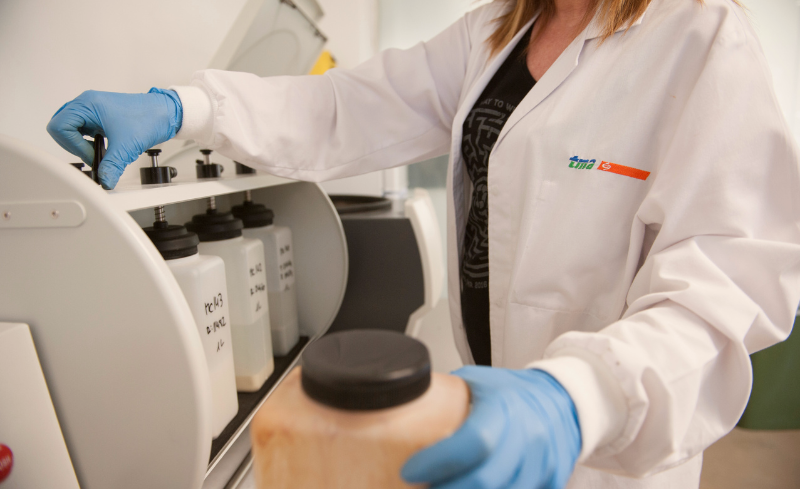
The World Day for Safety and Health at Work, celebrated every April 28, aims to raise global awareness of the importance of creating work environments that guarantee the safety and well-being of workers. The goal is to raise awareness of the need to prevent workplace accidents, occupational diseases, and dangerous working conditions by promoting a culture of safety. In this context, waste management becomes a key aspect of occupational safety practices, and at TMA, we are committed to this. In the following article, we explain how TMA contributes to promoting safety and health at work through efficient waste management practices, protecting both people and the environment.
WHY IS WORLD DAY FOR SAFETY AND HEALTH AT WORK CELEBRATED?
The World Day for Safety and Health at Work aims to promote the importance of ensuring safe and healthy working conditions around the world.
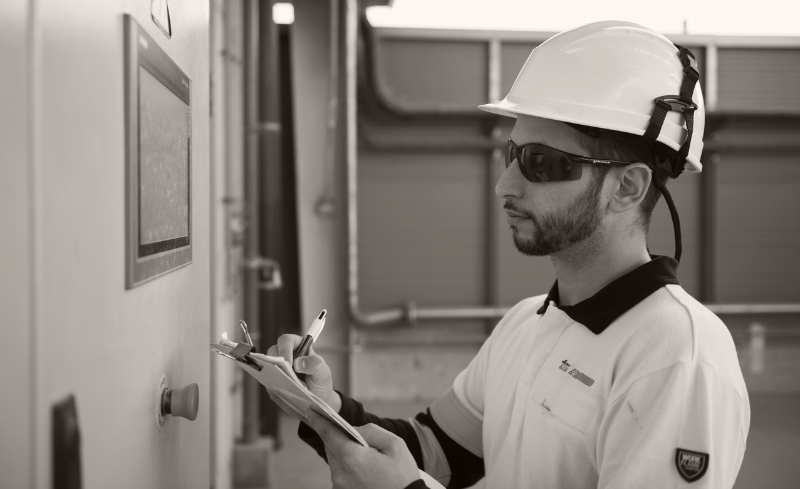
This day seeks to raise awareness about the need to prevent accidents and occupational diseases and foster work environments that protect the physical and mental integrity of employees.
In addition, this day contributes to reflection on safety policies and practices in various industries.
On this day, we also want to highlight the importance of having adequate procedures for managing industrial waste, protecting both the environment and the health of workers.
At TMA, occupational health and safety are a fundamental commitment to our employees and society, and we believe that waste management is a key aspect of occupational safety practices.
“We know that waste management goes far beyond legal compliance. It is an essential tool for protecting the health of workers and avoiding accidents that can have very serious consequences. Therefore, at TMA, we work with rigorous protocols and constant monitoring in this area,” emphasizes Anna Lluch, Head of Occupational Risk Prevention at TMA.
OCCUPATIONAL SAFETY AND HEALTH: A PRIORITY IN THE ENVIRONMENTAL SECTOR
Let’s imagine for a moment the daily life of an operator in a waste management plant: from sorting materials to transporting hazardous waste, every task carries a risk.
Without adequate measures, the chances of accidents would increase exponentially.
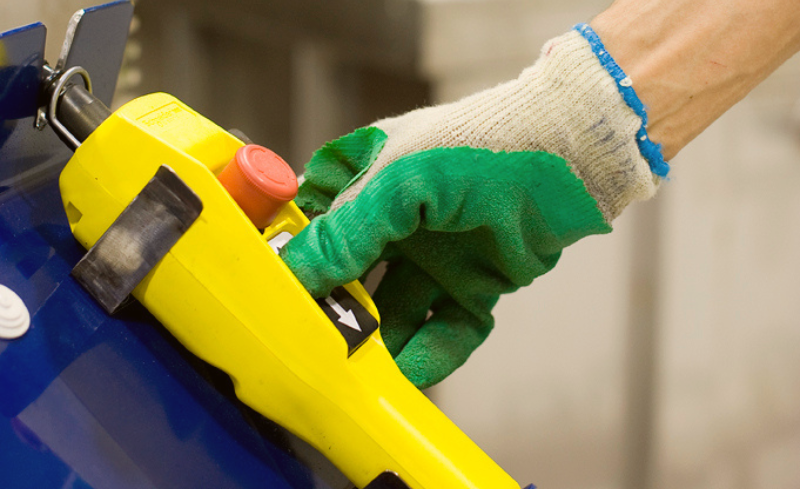 Therefore, having rigorous protocols is essential to ensure the safety of those working in this sector.
Occupational risk prevention in waste management
Proper waste management is key to reducing immediate risks to workers and protecting the environment.
Improper handling and disposal of hazardous waste, for example, can have serious consequences, both at the workplace and ecological level.
Therefore, implementing preventive measures such as the use of appropriate protective equipment, ongoing worker training, and the application of clean technologies are crucial strategies to mitigate risks and prevent accidents.
A culture of prevention must be integrated at all levels of the organization, from senior management to the most operational positions, creating an environment that prioritizes safety and respect for the environment.
Occupational health and safety in the waste sector
Safety, sustainability, and quality are essential values that must go hand in hand in all sectors, but in waste management, they take on a crucial role, as occupational and environmental risks are more evident.
The integration of these principles improves employee well-being, strengthens corporate reputation, and contributes to the development of a more responsible economy.
Risk prevention is a determining factor; by ensuring safe working conditions, we not only protect employee health but also promote the sustainability of business practices.
In this way, occupational safety and sustainability are not isolated concepts but rather reinforce each other to build a more resilient and competitive organization.
Main occupational hazards: waste collection, transportation, and treatment
Working with waste is a huge responsibility.
Each waste product must be handled with care, ensuring it does not pose a threat to the environment or the health of employees.
These are the main risks we face in waste management:
-
- Exposure to hazardous substances: Some waste may contain chemicals that are harmful to health.
- Ergonomic hazards: Handling heavy loads can lead to musculoskeletal injuries.
- Adverse environmental factors: Workers face outdoor working conditions with varying weather conditions.
- Use of machinery and vehicles: Handling specialized equipment requires constant training and supervision.
- Biological hazards: Some waste may contain infectious agents that require special handling.
- Workplace fatigue: Workload and exposure to demanding environments can affect employees’ physical and mental health.
“One of the most important challenges is not normalizing risk. Exposure to chemicals, repetitive movements, or physical strain shouldn’t be assumed as an inevitable part of the job. There are solutions, there is training, there are tools… and above all, there is a culture of prevention that we must reinforce every day. At TMA, we work with this constant focus: never getting used to danger, but rather facing it through knowledge and action,” adds Anna Lluch.
Key measures to prevent occupational hazards in waste management
To mitigate these risks, at TMA we apply a comprehensive approach to occupational risk prevention, with measures such as:

-
- Implementation of safety protocols and periodic equipment checks.
- Mandatory use of Personal Protective Equipment (PPE) appropriate for each task.
- Training in safe waste handling and treatment.
- Development of worker health monitoring systems.
- Reduction of exposure to chemical and biological agents through control measures.
- Implementation of work-related stress and fatigue management systems.
- Promoting a culture of prevention through internal communication and training.
At TMA, we understand that innovation and continuous improvement are essential to addressing these challenges and ensuring a safe working environment for our employees while actively contributing to environmental protection.
OUR COMMITMENT TO OCCUPATIONAL HEALTH AND SAFETY
Certifications that guarantee occupational safety at TMA
At TMA, we have certifications that endorse our good practices and compliance with international regulations:
-
- ISO 45001: Occupational Health and Safety Management System.
- ISO 9001 and ISO 14001: Guarantee quality and environmental commitment.
- Efficiency Network of the Port Authority of Barcelona (APB).
Compliance with legal regulations and safety audits
TMA rigorously complies with national and international legal regulations related to waste management.
We follow the standards established by regulatory bodies such as the International Labor Organization (ILO) and local labor and environmental safety regulations, ensuring a safe working environment that complies with current legislation.
In addition, TMA conducts periodic safety audits, both internal and external, to evaluate and continuously improve its waste management processes.
These audits ensure that all practices are aligned with the highest safety standards, minimizing risks to workers and the environment, and contributing to full compliance with industrial safety laws..
Transparency in occupational risk prevention
At TMA, occupational safety is a core value that guides all our operations. We are committed to ensuring the protection of our workers through a comprehensive approach that includes our Policy Statement, the Integrated Quality, Environment, and Occupational Health and Safety Manual, and our Code of Ethics.
These documents reflect our dedication to continuous improvement and our firm commitment to transparency in each of our processes.
We want to emphasize the importance of having TMA’s Integrated Quality, Environment, and Occupational Health and Safety Manual, a fundamental tool that integrates our policies and procedures in these three key areas.
This manual ensures that all our operations are carried out under the highest quality standards, with a firm commitment to environmental sustainability and the protection of our employees’ health and safety.
“Safety is non-negotiable at TMA. It’s part of our values and reflected in each of our operating procedures. Every TMA member is clear about what is expected of them and the tools they can use to protect their health and well-being,” says Anna Lluch, Head of Occupational Risk Prevention at TMA.
Training, awareness, and co-responsibility: pillars of prevention
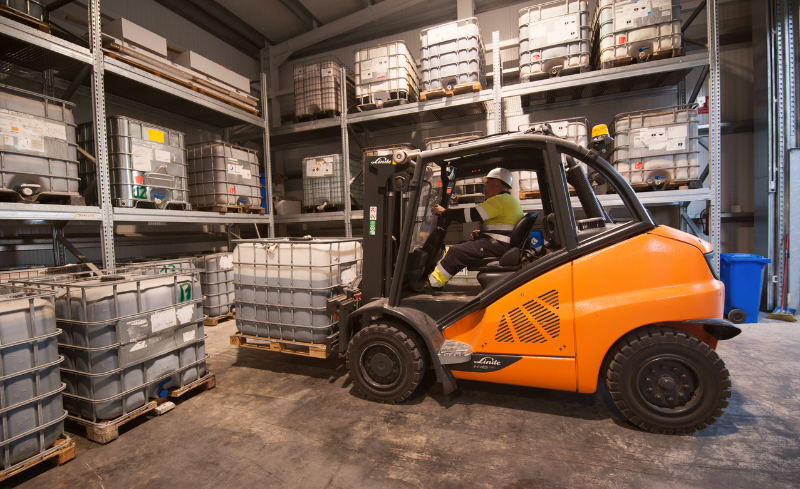
Knowledge is key to occupational risk prevention.
At TMA, training is a priority to ensure our employees have the necessary knowledge to effectively identify and prevent occupational risks.
In addition to providing the appropriate protective equipment, we foster a culture of safety and sustainability through the necessary training for each job position.
This fosters a sense of individual and collective responsibility.
As Anna Lluch points out, “Waste management goes far beyond legal compliance. It’s not just about following regulations, but about applying common sense, technical knowledge, and environmental awareness to protect the health of workers and the environment. When we do it right, we reduce accidents, protect the environment, and build trust both inside and outside the company. This comprehensive approach helps create a safe and healthy work environment for everyone.”
SUSTAINABLE WASTE MANAGEMENT TO ENSURE WORKPLACE SAFETY
At TMA, we understand that good environmental practices have a positive impact on the environment and play a crucial role in the workplace safety of our employees.
 Good environmental practices and their impact on workplace safety
 Good environmental practices and their impact on workplace safety
Efficient and sustainable waste management goes far beyond an environmental focus; it has a direct impact on worker safety.
At TMA, we implement well-structured waste management systems that significantly reduce workplace risks, minimizing exposure to hazardous materials and creating a safer work environment.
The advantages of this approach include:
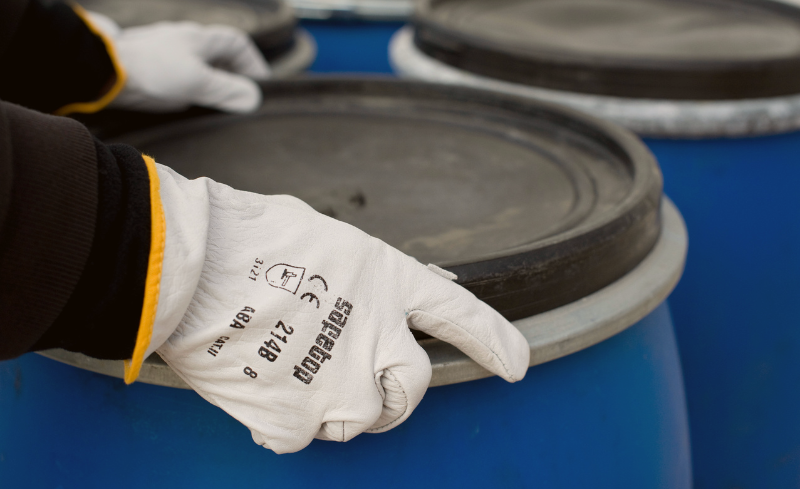
Reduction of hazardous waste and less exposure to toxic substances
Proper classification and treatment of hazardous waste prevents employees from coming into contact with harmful substances, reducing the risk of poisoning or occupational diseases.
Improved workspace organization to prevent accidents
Proper waste disposal and efficient cleaning of workspaces prevent obstacles that could cause falls, slips, or injuries. Better organization also makes it easier to locate protective equipment and resources needed by operators.
Implementation of technologies that minimize risks in waste transportation and management
The use of specialized equipment for handling hazardous waste reduces workers’ direct exposure to these materials. Furthermore, efficient and certified waste transportation limits the risk of accidents during collection and transport.
“When waste management is efficient, so is prevention. By optimizing each process, we not only reduce risk sources but also improve order and organization in the workplace, which contributes to a safer environment. Furthermore, proper management prevents unnecessary exposure to hazardous substances and minimizes accidents. For TMA, environmental and labor issues are not two separate aspects, but must advance hand in hand. Sustainability and safety go hand in hand in every action we take, thus creating a cycle that benefits both workers and the environment,” reflects Anna Lluch.
With these best practices, we seek to comply with environmental regulations and also integrate social responsibility into every action, promoting a safer, healthier, and more respectful environment for people and the environment.
INNOVATE TO PROTECT: WORKPLACE SAFETY AND THE ENVIRONMENT GO HAND IN HAND
Technological innovation is key to creating a safer and healthier work environment for the people who work at TMA.
Technology to ensure occupational health and safety
Some of the solutions we have implemented at TMA to prioritize occupational health and safety are:
Real-time monitoring to prevent occupational risks
We have implemented continuous monitoring systems that allow us to monitor both the status of vehicles and the well-being of our workers in real time.
This approach ensures that operations are carried out safely and in accordance with established standards, significantly reducing the risk of accidents or dangerous exposures.
Digitization of processes for greater safety and accuracy
By automating waste collection and sorting, we reduce human errors that could compromise occupational safety.
Furthermore, the efficient traceability offered by digitization not only reinforces safety but also improves operational efficiency throughout our entire work chain.
Route Optimization Using Advanced Technology
With the help of geolocation software, we plan more effective routes for waste collection, reducing transport times and reducing carbon emissions.
This approach, in addition to being sustainable, helps minimize the risk of accidents during transport, ensuring the safety of our employees.
Sustainable vehicle fleet: Safety, Efficiency, and Environmental Commitment
At TMA, our fleet is comprised of certified vehicles designed to reduce environmental impact through controlled emissions and greater energy efficiency.
Equipped with advanced technology, TMA’s fleet of vehicles ensures safe and efficient waste transportation, complying with strict safety regulations.
Furthermore, our vehicles play a key role in optimizing logistics processes, which includes planning more efficient routes to reduce transport times, minimize costs, and reduce emissions.
This approach also improves resource coordination, reduces errors, and ensures that the transfer of hazardous materials proceeds without incident.
All of this ensures responsible waste management that protects both workers and the environment, reinforcing our commitment to workplace safety and sustainability.
As Anna Lluch explains: “Technology allows us to anticipate risks. By digitizing processes, we not only achieve greater traceability and efficiency in our operations, but we also avoid human errors that can lead to accidents. This gives us the ability to act proactively, rather than reacting to incidents. Furthermore, the integration of advanced tools into our daily activities ensures a safer work environment, where each employee can perform their duties with greater peace of mind and confidence.”
GOOD PRACTICES FOR OCCUPATIONAL HEALTH AND SAFETY IN COMPANIES
In addition to the measures implemented at TMA, other companies can improve their workplace safety through these best practices:
-
- Implement a safety culture: Prevention must be a core value within the company, not just an obligation. This means everyone, from management to operators, assumes safety as a shared responsibility.
- Conduct regular audits and reviews: Detecting risks before they become problems is essential. For example, regularly inspecting machinery can prevent accidents due to technical failures.
- Promote ongoing training: Workers must always be up-to-date on safety protocols. Ongoing training allows for quick and effective response to any emergency.
- Promote internal communication: An open channel for reporting risks improves safety, as it allows for immediate action. For example, a suggestion box or an internal app can make it easier to detect unsafe conditions.
- Prioritize ergonomics at work: Adapting spaces and tools to reduce physical stress prevents occupational injuries and illnesses. Adjustable chairs, ergonomic tools, and active breaks are effective and simple measures to implement.
- Implement workplace wellness programs: Reducing stress and promoting mental health is key to performance and accident prevention.
Companies that integrate these best practices comply with regulations and also demonstrate an active commitment to the safety and well-being of their employees, creating a healthier, more motivating, and productive work environment.
BEYOND PREVENTION: REAL BENEFITS FOR COMPANIES
The impact of occupational health and safety on companies is significant, as it not only influences employee well-being but also the organization’s long-term efficiency and sustainability.
Companies that invest in creating safe and healthy work environments experience a reduction in accidents and illnesses, which translates into lower costs associated with medical care, compensation, and downtime.
Furthermore, a safe work environment improves employee morale, which increases their productivity and satisfaction, contributing to a positive organizational culture.
Implementing safety measures also helps comply with legal and regulatory requirements, avoiding penalties and potential lawsuits.
Furthermore, the benefits of maintaining high workplace safety standards directly impact a company’s profitability and reputation.
A healthy and safe workplace not only favors talent retention but can also attract new employees committed to well-being and social responsibility.
Therefore, the key benefits of a solid occupational health and safety strategy in a company are:
-
- Reduction in occupational accidents and illnesses.
- Reduction in costs related to compensation and medical care.
- Improved productivity and efficiency.
- Compliance with legal and regulatory requirements.
- Increased employee satisfaction and motivation.
- Strengthened corporate reputation.
- Improved talent retention and attraction.
These factors protect employees and also position the company as a responsible leader in its sector, improving its competitiveness in the market.
On World Day for Safety and Health at Work, at TMA we reaffirm our commitment to continue learning, improving, and building together an increasingly safe and healthy work environment for everyone who works for us.
We take care of our clients and we take care of the environment.
We are much more than comprehensive waste management.
Do you need efficient waste management or more information about the services we offer at TMA? Write to us at comercial@tma.es and we will be happy to provide you with a personalized proposal, fully adapted to your needs.
Discover our comprehensive Waste Management Services.
Follow us on TMA’s LinkedIn. Subscribe to our YouTube channel.
Contact us, we will be happy to advise and inform you.