

In an increasingly demanding healthcare context, where safety, efficiency, and sustainability are fundamental pillars, TMA strengthens its role as a leading company in healthcare waste management. We have been awarded the contract for the collection, transportation, treatment, recovery, and disposal of the waste generated at the centers of the Reference Laboratory of Catalonia (LRC). This contract entails the comprehensive management of healthcare waste from groups I, II, III, IV, and other associated waste, all with specific protocols and strict regulatory compliance. For TMA, this new challenge reaffirms our commitment to public health and the environment and positions us at the forefront of the sector, applying technological innovation, logistical efficiency, and the Circular Economy in the healthcare sector.
INTEGRAL AND SUSTAINABLE MANAGEMENT OF HEALTHCARE WASTE AT THE LRC
At TMA, we continue to consolidate our role as a leading company in healthcare waste management.
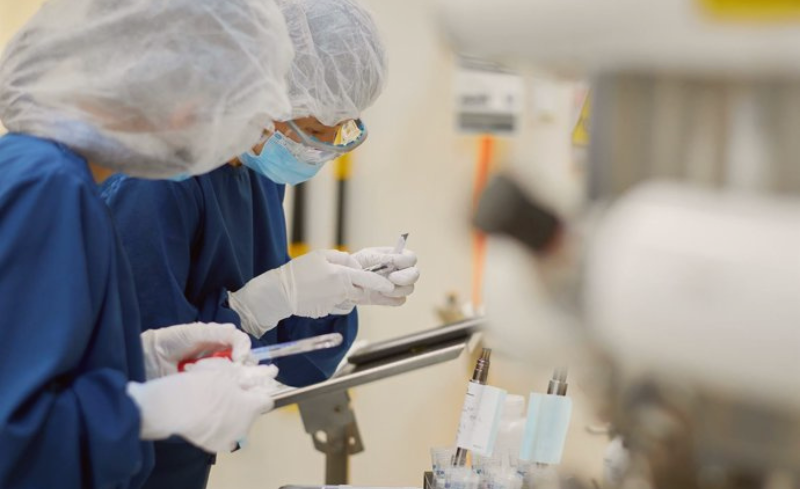
We have been awarded the contract for the collection, transportation, treatment, recovery, and disposal of Group I, II, III, and IV waste, as well as other waste generated in the network of centers of the Reference Laboratory of Catalonia (LRC), thus reaffirming the commitment of both entities to sustainability, safety, and operational excellence.
The main objective of this tender is to ensure that the entire process—from identification and segregation to transportation and final treatment of waste—is carried out following traceability, safety, and sustainability criteria.
TMA will implement a comprehensive management model that improves healthcare safety and minimizes the environmental impact resulting from the LRC’s activities.
With this award, TMA reaffirms its commitment to offering innovative, sustainable solutions adapted to the highest standards in the healthcare sector.
HOW THE REFERENCE LABORATORY OF CATALONIA (LRC) MANAGES HEALTH CARE WASTE
What is the Reference Laboratory of Catalonia (LRC)?
The Reference Laboratory of Catalonia (LRC) is a public clinical analysis services entity that is part of the Catalan healthcare system. Its main function is to provide diagnostic services and analytical support to various health centers and hospitals in the region, especially those managed by the Catalan Health Institute (ICS).
The LRC acts as a reference center, meaning it receives samples and cases that require validation, contrast, or more advanced analysis than a general laboratory can perform.
Centers included in the LRC’s healthcare waste management service
TMA will manage healthcare waste at these centers:
-
- Reference Laboratory of Catalonia – Mas Blau
- Hospital de la Esperanza Emergency Department Laboratory
- Hospital del Mar Emergency Department
- Extraction Service and Microbiology and PCR Laboratory at Hospital del Mar
Types of healthcare waste managed by TMA: classification and treatment
The contract awarded to TMA covers the management of the following healthcare waste generated at the Catalonia Reference Laboratory (LRC) centers:
Group I: Non-risk (or non-specific) waste
This waste is comparable to municipal waste, as it poses no risks to health or the environment: uncontaminated gloves, empty containers without traces of hazardous substances, clean stretcher paper, and bandages without biological remains.
They can be considered and treated as recoverable waste (promoting the recycling and utilization of materials) provided they are properly segregated from source.
Group II: Low-risk healthcare waste
Includes materials used in healthcare that do not contain infectious agents or hazardous substances, but that require specific management due to their origin or characteristics: uncontaminated gauze, bloodless dressing materials, and waste generated in consultations that do not pose a biological risk.
Separate collection and transportation to authorized treatment plants are required.
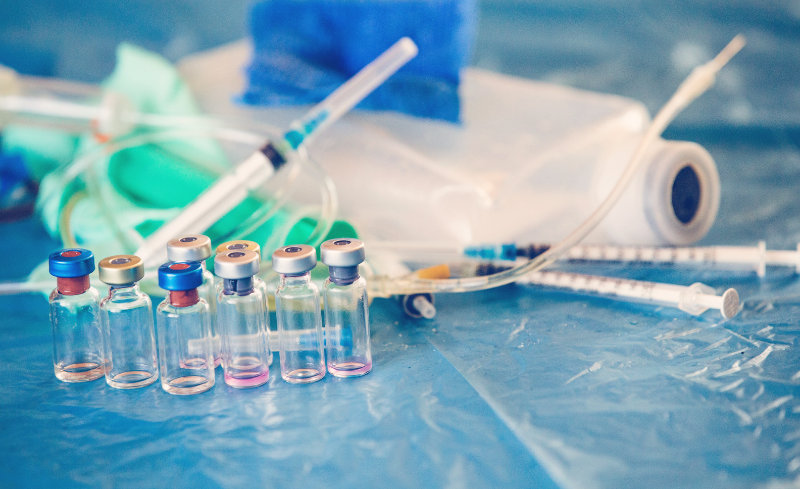 Group III: Healthcare waste at risk (biomedical waste)
Includes all waste that may contain biological agents and pose a risk of infection or contamination: blood gauze, used syringes, operating room materials, microbiological cultures, biological fluids.
Approved sealed containers, mandatory labeling, and specific treatment (sterilization, incineration, or controlled disposal) are required.
Group IV: Special healthcare waste
This is non-biological hazardous healthcare waste that, due to its toxicity or chemical nature, must be treated with special caution: cytotoxic waste, dangerous expired medications, chemicals used in clinical analysis, materials contaminated with heavy metals.
Strict traceability, temporary storage under safe conditions, transportation according to ADR, and specialized treatment are required.
Other waste classified as hazardous or special, such as toners or printer cartridges
They require differentiated management due to the presence of potentially contaminating chemical substances and must be treated in accordance with waste electrical and electronic equipment (WEEE) regulations when they contain electronic or electrical components.
Each type of waste requires differentiated treatment due to its nature and level of risk, collection frequencies, separate containers, safety protocols, and coordination with the healthcare center’s internal teams.
OBJECTIVES OF LRC HEALTH CARE WASTE MANAGEMENT
The proper management of this waste has a direct impact on public health, occupational safety, and environmental protection.
 Therefore, the priority objectives of the service awarded to TMA are:
Protect health within the facilities
Prevent exposure of patients, professionals, and visitors to contaminating or hazardous waste
Ensure safety outside the facilities
Minimize risks for people handling waste during transport and subsequent processing.
Minimize waste generation with the goal of achieving Zero Waste
Implement strategies for source reduction, separation, and efficient use of resources.
Promote proper segregation
Ensure that each type of waste is classified and managed according to its group, guaranteeing proper and safe treatment.
Commit to sustainability
Promote recycling and material recovery whenever possible, in line with the principles of the Circular Economy.
Comply with current regulations
Strictly apply rules and regulations, ensuring traceability, security, and document control.
SERVICE SPECIFICATIONS FOR THE CATALONIA REFERENCE LABORATORY (LRC)
Equipment, Coordination, and Technical Specialization
These are TMA’s key responsibilities to ensure service quality:
Collection Materials and Equipment
-
- Initial provision of approved containers, bags, and containers for all waste types (Groups I, II, III, and IV).
- Provision of specific cages for cardboard collection.
- Identification labels with information on the type of waste and its risk level.
- Regular replenishment of fixed and non-returnable containers.
Technical Presence and Service Control
-
- Availability of a specialized technician for on-site monitoring tasks.
- Periodic audits of LRC centers to verify proper service execution.
- Monitoring and control of the Waste Declaration System (RDS).
- Control and management of identification labels.
- Review and update of control documentation, in accordance with current regulations.
Legal Advice and Document Management
-
- Assistance in preparing technical inspections and external audits.
- Comprehensive document management: from collection to transportation, treatment, recovery, and disposal.
- Submission of required documentation.
Coordination of the people who perform the service
-
- Supervision and coordination of the team providing the service at the different centers in the network.
- Ensuring the correct execution of tasks at each location.
 Waste Collection and Transportation
-
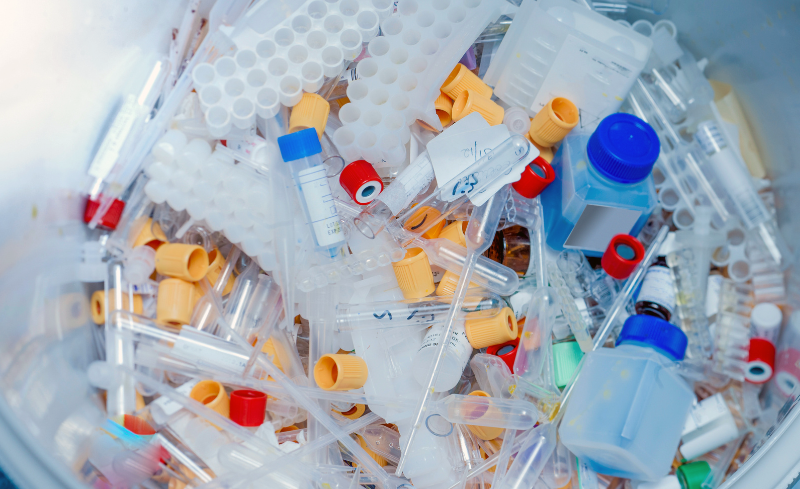
- Systematic removal of waste from warehouses, waste rooms, or generation points (laboratories, technical rooms, etc.).
- Transportation to authorized treatment plants, ensuring traceability and safety throughout the process.
Ongoing Training for Personnel
-
- Periodic training for LRC staff on the segregation, classification, and proper management of healthcare waste.
- Reinforcement of good environmental practices and safety protocols from the source.
Digitalization and Traceability
-
- Incorporation of digital solutions to optimize service efficiency.
- Real-time traceability monitoring, document control, and regulatory compliance.
HEALTHCARE WASTE TRANSPORTATION: SAFETY, TRACEABILITY AND SUSTAINABILITY
The transportation of medical waste is a critical phase in the responsible management chain for waste generated in the healthcare sector.
Within the framework of the contract with the Reference Laboratory of Catalonia (LRC), TMA guarantees a safe, efficient, and environmentally friendly service, adapted to the high standards required by this type of facility.
We have our own fleet of more than 250 vehicles adapted for the transport of hazardous and non-hazardous waste. All of our vehicles are authorized by the Catalan Waste Agency and meet the requirements of the LRC technical specifications.
Specialized focus on the transport of Group III and IV healthcare waste
At TMA, we understand that the transport of Group III and Group IV healthcare waste requires rigorous attention and a precise methodology.
Therefore, the logistics we implement guarantee safety, efficiency, and full regulatory compliance.
Safety measures during transport
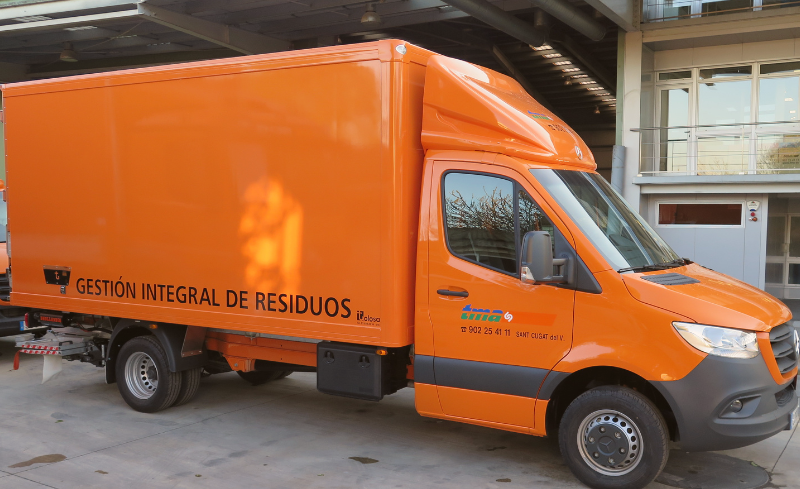 To minimize any risk during the transfer of waste from the Reference Laboratory of Catalonia (LRC) centers, we apply specific protocols that include:
-
- Approved vehicles adapted for the transport of hazardous waste, in compliance with ADR regulations.
- Certified, airtight, and perfectly labeled containers and drums that prevent spills, chemical reactions, or accidental exposure.
- Traceable and digitized documentation, including the Identification Document (ID) and route sheets with real-time tracking.
- Specific safety protocols for flammable or reactive waste such as solvents, alcohols, or laboratory reagents.
Logistical and operational optimization
Efficiency is also key in healthcare waste management. Therefore, our service includes:
-
- Optimized routes to avoid unnecessary accumulations and delays between the different LRC locations.
- Preliminary compatibility assessment, ensuring proper segregation according to the type of waste.
- Constant monitoring thanks to digital systems that control each stage of transport.
Highly Qualified Technical Team
At TMA, the personnel responsible for transporting healthcare waste are trained to act with precision and knowledge at all times:
-
- Continuous training in hazardous waste, both infectious and chemical.
- Application of safe procedures for handling, loading, unloading, and transport.
- Specialized technical expertise tailored to the waste specific to the healthcare sector.
Our transport model is not only based on regulations, but also on a firm commitment to public health and the environment. Therefore, every step of the process is designed to offer safety, traceability, and reliability.
This approach allows TMA to comply with legal requirements and the principles of sustainability applied to specialized healthcare transport.
TECHNOLOGY AND INNOVATION IN THE TREATMENT OF LABORATORY HEALTH CARE WASTE
Waste management at LRC network centers is organized based on its nature and hazard.
Each type of waste requires a specific approach, and at TMA, we apply rigorous protocols tailored to each case, with qualified personnel, approved packaging, digital traceability, and compliance with current regulations.
This approach allows for more efficient and safe management tailored to the needs of each type of waste.
Group I waste: inert and non-specific, comparable to municipal waste.
This is low-hazard waste that does not require special treatment.
-
- Paper and cardboard: TMA provides the appropriate containers and cages for collection, which are appropriately labeled.
- Confidential paper: TMA guarantees safe disposal and will also certify the destruction of the material. Lockable aluminum containers and sacks of up to 240 L are provided.
- Uncontaminated plastic: Although TMA does not handle its removal, it must replace yellow containers in poor condition.
- Clean glass: As with plastic, the contractor only provides or replaces green containers if necessary.
- Bulky waste: The Occupational Risk Prevention Service will inform the contractor when their removal is necessary, usually due to renovations or extraordinary cleaning of equipment.
Group II waste: non-specific sanitary waste
This is waste from healthcare activities (such as gauze or wound dressings not contaminated with hazardous substances) that does not require special treatment outside the facility.
TMA provides specific bags with the following characteristics:
-
- Opaque, resistant, and without sharp elements
- Maximum capacity of 90 L
- Labeled with “GII” and manufacturer’s information
Group III waste: specific sanitary or biohazardous waste
This group includes highly hazardous materials such as liquid blood, needles, sharp material, live vaccines, anatomical waste, and infectious cultures. Their management requires a high level of control and security:
-
- TMA must supply rigid, airtight, single-use, and approved containers, yellow or black with a yellow lid, and with a volume no greater than 60 L.
Group IV waste: special medical waste not included in Group III
This includes cytotoxic medications and materials with carcinogenic, mutagenic, or teratogenic properties, as well as:
-
- Water contaminated with chemicals: The successful bidder must provide strong and secure 25 L containers with wide mouths.
- Chemical reagent containers: TMA must provide secure boxes or trays for pre-storage.
Sterilization, stabilization and inertization
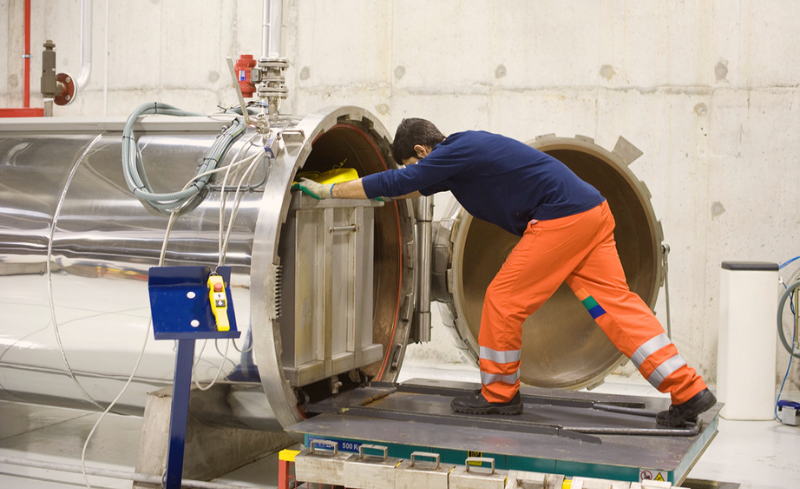 Once collected and transported, medical waste undergoes specific treatments in our authorized plants:
-
- Autoclave sterilization: used for Group III waste, which becomes inert waste after the process.
- Stabilization and inertization of expired Group IV medications, cosmetics, and other products.
This treatment ensures that no hazardous waste returns to the environment without first being neutralized.
With this approach, we ensure an efficient, safe service aligned with sustainability principles, contributing to the common goal of more responsible and environmentally friendly healthcare.
HEALTHCARE WASTE RECOVERING: TOWARDS THE ZERO WASTE MODEL
In the collaboration between TMA and the Reference Laboratory of Catalonia (LRC), healthcare waste recovering represents a strategic tool for moving toward more sustainable healthcare waste management.
The objective is clear: do not discard waste without first assessing whether it can be reused. In other words, convert materials from healthcare waste into new resources, significantly reducing the environmental impact associated with healthcare and laboratory activities.
Efficient recovery of recyclable waste
From the various LRC centers, TMA will be responsible for the collection, sorting, and processing of waste with potential for recovery.
To ensure efficient recovery, we apply advanced separation technologies that allow each waste to be identified and channeled toward appropriate reuse or recycling, thus promoting its integration into the circular economy.
Recovery is not just an operational issue but is also part of an environmental commitment.
By reincorporating useful waste into new production processes, we help the LRC close the loop on its healthcare waste, fostering a circular model that maximizes the resources generated during its scientific and technical activities.
Zero Waste in Healthcare Waste Treatment
This project is based on a shared vision between TMA and the LRC: to minimize waste at every stage of the healthcare waste management process.
TMA has obtained Zero Waste certification, which recognizes organizations that recover more than 90% of their waste.
This philosophy guides our daily actions at LRC centers, with the aim of making this certification a tangible reality in the healthcare and laboratory fields.
Circular Economy in healthcare waste management
 Organization and Efficiency in Management: We design a well-structured collection and treatment system that facilitates waste reduction and its transformation into new resources, effectively closing the loop.
Conscious Reuse: We promote the reuse of administrative or laboratory materials whenever feasible, reducing the need for new raw materials.
Optimized Recycling: We use efficient separation and sorting systems that maximize the recovery of recyclable waste, such as plastic packaging, paper, cardboard, and other materials generated by the LRC’s operations.
ENVIRONMENTAL COMMITMENT AND EFFICIENT MANAGEMENT OF HEALTH CARE AND LABORATORY WASTE
 Healthcare waste management goes beyond a legal obligation: it is a direct responsibility to health, safety and the environment.
The collaboration between TMA and the LRC represents a clear example of how specialization, technology and environmental awareness can come together to achieve efficient, safe, and sustainable management of healthcare waste.
This is a replicable and scalable management model for other healthcare settings seeking to ensure safety without compromising on environmental commitment.
Consolidated experience in the biomedical sector
TMA has extensive experience in healthcare and biomedical waste management, serving hospitals, clinics, laboratories, research centers, and other healthcare-related facilities.
Thanks to this specialization, our healthcare waste collection, treatment, and disposal services meet the highest legal, technical, and operational standards, reinforcing the trust of the centers that delegate this responsibility to TMA.
Qualified personnel and continuous training
Safe healthcare waste management requires a highly trained team.
At TMA, the service is carried out by specialized professionals: environmental technicians, hazardous waste logistics specialists, and operators with certified training in healthcare waste handling.
Furthermore, as part of the contract with the Catalan Reference Laboratory (LRC), TMA provides specific training to the center’s staff, with sessions aimed at ensuring proper separation and classification at source.
This type of training improves the efficiency of the collection system and reinforces the culture of sustainability and prevention in the healthcare environment.
Healthcare safety and environmental protection
Waste generated in healthcare settings can pose a significant risk to public health and the environment if not managed properly.
Its proper handling, treatment, and disposal are essential to protect healthcare personnel, patients, and the community at large.
Therefore, efficient management is not only a legal obligation but also a health and ethical necessity.
We are proud to have obtained this award, as it is the result of our technical and operational expertise and our firm commitment to public health, occupational safety, and respect for the environment.
Furthermore, it reflects the trust placed in TMA’s experience and operational rigor as a leading company in healthcare waste management.
We will continue working to protect and maintain health and environmental sustainability.
We take care of our customers and we take care of the environment.
We are much more than comprehensive waste management.
If you want to comply with regulations, improve your environmental impact, or adapt your procedures, write to us at comercial@tma.es and we will be happy to provide you with a personalized proposal, fully tailored to your needs.
We are here to help you reduce the environmental impact of your waste and take care of the environment.
Discover our comprehensive Waste Management Services.
Follow us on TMA’s LinkedIn. Subscribe to our YouTube channel.
Contact us, we will be happy to advise and inform you.


