
Energy savings are no longer just an individual responsibility: companies also play a crucial role. Every process, every piece of equipment, and every operational decision has an energy impact that translates into costs and emissions. October 21st is World Energy Saving Day, a day to reflect on how we consume, manage, and transform the energy that powers our daily lives. But this year we want to go beyond the usual message of “turn off the lights and save,” because saving energy is more than just turning off lights or unplugging appliances. At TMA, we believe that energy isn’t just about saving, it’s also about managing, transforming, and reinventing itself. From waste management to technological innovation, every process can be an opportunity to reduce energy consumption, emissions, and environmental impact. Because in a world where every kilowatt counts, energy efficiency isn’t just a necessity: it’s an attitude that drives change toward a more sustainable future.
HOW ENERGY EFFICIENCY REDEFINES SUSTAINABILITY
When we talk about energy saving and energy efficiency, we often think of everyday actions: turning off the lights, unplugging appliances, or adjusting the thermostat. However, true efficiency goes far beyond plugs.
Much of the energy we consume is “hidden” in the products we use every day: in their manufacturing, transportation, and final waste management.
Every object—from a container to an appliance—has embodied energy, that is, all the energy required to produce it, transport it, and, eventually, process it once its useful life ends.
Therefore, every properly managed waste product equals energy saved and emissions avoided.
The data is clear and revealing:
-
- Recycling aluminum saves up to 95% of the energy required to produce it from raw materials.
- Recycling paper reduces energy consumption by 70% compared to traditional manufacturing.
- Reusing plastics prevents the emission of tons of CO₂ from petrochemical production.
These examples show that energy efficiency and waste management are closely related.
Every time we recycle, repair, or reuse, we are reducing global energy consumption and extending the lifespan of the planet’s resources.
World Energy Saving Day reminds us precisely that: that sustainability is not limited to reducing what we consume, but rather rethinking the entire life cycle of products so that the energy invested in them continues to generate value.
At TMA, we understand energy efficiency as part of a comprehensive sustainability strategy. We are committed to innovation and responsible waste management because we know that every properly managed waste is energy conserved and a step closer to the Circular Economy, which is also low in emissions.
Technologies that are changing the way we save energy
The energy savings of the future depend on technology.
Digitize, automate, and measure are three key verbs that make energy efficiency a real and measurable practice.
Digitization and artificial intelligence make it possible to predict and adjust energy consumption in real time, optimizing processes and reducing demand peaks.
 Technological solutions are already being implemented that optimize every stage of the waste management process:
-
- Smart transportation routes that reduce mileage and fuel consumption thanks to geolocation and AI.
- Real-time energy monitoring in treatment plants to adjust consumption according to workload, avoiding unnecessary consumption.
- Process automation that balances power and performance, avoiding unnecessary energy peaks and optimizing energy use in crushing, sorting, and recovery processes.
Technology does not replace environmental commitment but rather amplifies it.
ENERGY SAVING AND ENERGY EFFICIENCY IN COMPANIES
Energy saving should not be understood as an end in itself, but rather as a means to innovate, grow, and build more sustainable and competitive companies.
In a global context where resources are increasingly limited and efficiency becomes an added value, optimizing energy consumption is a strategic decision that directly impacts the profitability, reputation, and environmental commitment of any organization.
Energy efficiency not only reduces costs but also drives a profound transformation in the way we work, produce, and interact with the environment.
Being sustainable and profitable are not opposing goals, but rather two drivers that move in the same direction.
Business benefits of energy saving
Companies that commit to energy sustainability not only contribute to caring for the planet but also obtain tangible economic and social benefits:
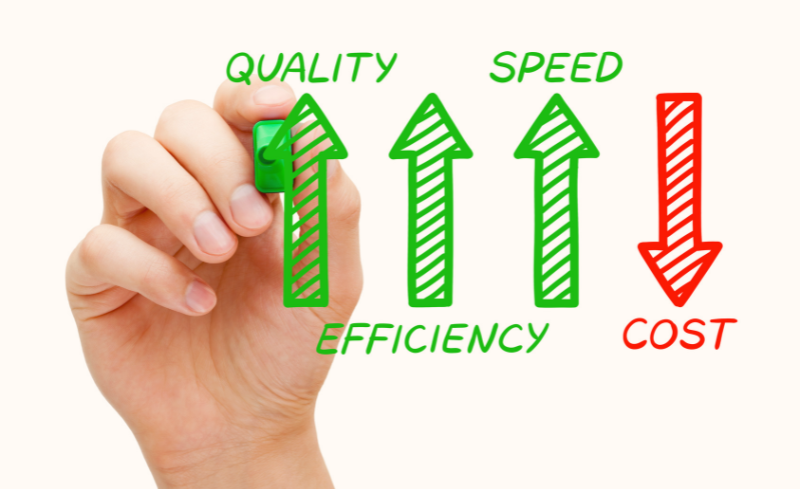
Reduction in emissions and operating costs
Optimizing energy use reduces the carbon footprint and allows for significant economic savings in electricity, fuel, and equipment maintenance.
Improved corporate reputation
Companies committed to sustainability project a strong, transparent, and responsible image. This reputational value is key to attracting customers, investors, and partners who share the same values.
Compliance with the Sustainable Development Goals (SDGs)
Energy efficiency directly contributes to several SDGs, especially SDG 7 (Affordable and Clean Energy) and SDG 13 (Climate Action), reinforcing the company’s environmental and social commitment.
Attracting and retaining talent
New generations value working in organizations that care about the environment. Sustainability thus becomes a tool to attract talent, improve the work environment, and increase pride in belonging.
Greater resilience to energy change
In a context of transition toward clean energy models, companies that already commit to efficiency are better prepared to adapt to new regulations, prices, and technologies.
KEYS TO SAVING ENERGY IN BUSINESSES AND AT HOME
In addition to common actions such as changing light bulbs or unplugging appliances, there are more advanced practices.
These practices not only reduce consumption but also generate a real and measurable environmental impact.
Good practices for energy efficiency in businesses
Every business—regardless of its size or sector—can implement effective measures to save energy and reduce its environmental impact. They can also boost profitability and real business sustainability.
Implementing good practices to boost business energy efficiency is an efficient strategy for smart and sustainable growth for any company.
These are some good practices for energy savings in businesses:

Optimizing consumption schedules
Adjusting the operation of machinery, air conditioning, or production systems to off-peak hours of lower electricity demand can reduce costs and relieve the strain on the energy grid.
Furthermore, analyzing consumption patterns with digital tools or energy management systems (EMS) helps identify inefficiencies and schedule high-consumption tasks in more sustainable time slots.
The result: less expenditure, fewer emissions, and greater operational stability.
Utilization of residual energy
Every industrial process generates heat, and that heat can be converted into a valuable source of energy.
Using heat exchangers or recovery systems, companies can reuse residual energy to heat water, air-condition facilities, or support other production processes.
Adaptive and efficient lighting
Lighting represents a significant percentage of energy consumption in offices and industrial plants.
Implementing smart systems with presence and daylight sensors allows light intensity to be adjusted automatically, avoiding unnecessary waste.
Furthermore, replacing conventional luminaires with LED technology results in savings of up to 80% in energy consumption and a much longer lifespan, reducing maintenance and waste.
Integrating timers or centralized control systems can further increase efficiency and comfort.
Energy storage and self-consumption
The future of energy lies in self-sufficiency and smart resource management.
Companies with solar panels or other renewable sources can store surplus energy in batteries for use during peak demand or power outages.
In addition, energy storage systems facilitate integration with smart grids, allowing surplus energy to be sold or energy load balancing to be achieved in real time.
Key benefit: energy independence, cost stability, and reduced carbon footprint.
Electrification of fleets and internal transportation
Transportation is one of the largest contributors to corporate energy consumption.
Gradually migrating to electric or hybrid vehicles—especially for short trips, internal transportation, or urban distribution—allows for a reduction in the use of fossil fuels and CO₂ emissions.
Complementing this measure with GPS-optimized routes and artificial intelligence multiplies the results: fewer kilometers traveled, lower expenses, and more efficient logistics.
Relevant fact: electrification can reduce a fleet’s operating costs by up to 60% in the medium term.
Education and corporate energy culture
No energy efficiency strategy is successful without the involvement of people.
Fostering an internal culture of energy saving is key to detecting inefficiencies and maintaining good practices over the long term.
Some effective actions include:
-
- Training staff in responsible consumption and sustainability.
- Encouraging the identification of energy improvements.
- Communicating achievements and results to boost motivation.
Practical tips for saving energy at home
Although businesses play a crucial role, energy saving begin at home, in our daily habits and in the way we use resources.
Large investments aren’t necessary: conscious and consistent decisions are enough to reduce consumption and protect the planet.
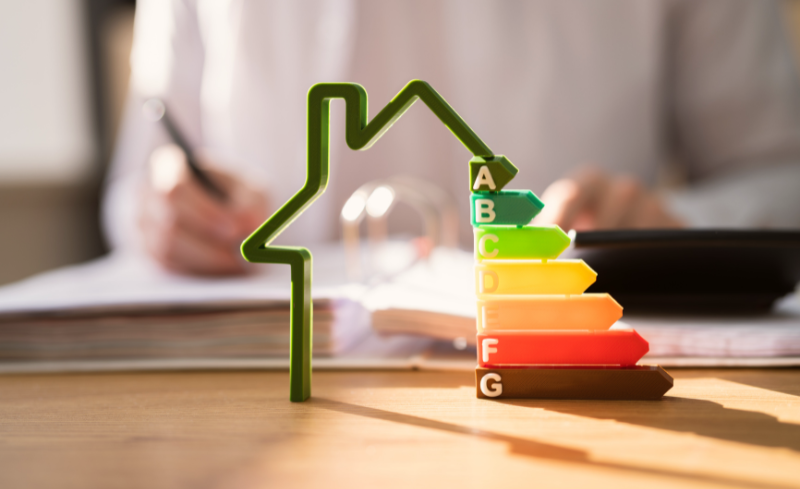
Efficient appliances
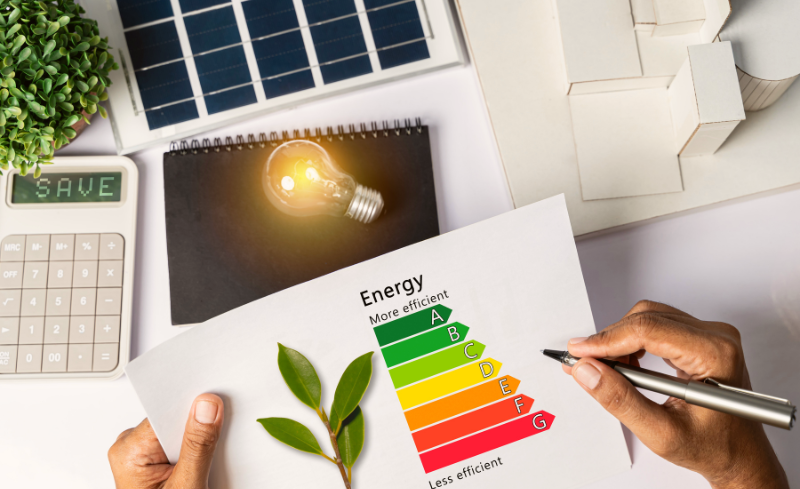
Choose models with an A or higher energy rating. They consume up to 40% less electricity than older models and represent considerable annual savings.
Smart thermostats
Maintaining a stable, programmed temperature prevents consumption spikes. Lowering just one degree in winter or raising it in summer can reduce your energy bill by up to 7%.
Creative reuse and repair
Apply the “Right to Repair” philosophy to your home. Repairing, reusing, and giving objects a second life not only prevents waste but also reduces the energy associated with manufacturing new products.
Adaptive lighting and LED bulbs
Replacing traditional light bulbs with LEDs saves up to 80% of energy. Complementing this with motion sensors or timers increases the impact.
Responsible consumption
Turning off unused appliances, unplugging chargers, and avoiding standby mode may seem insignificant, but together they add up to a considerable impact throughout the year.
Taking advantage of natural light
Raising blinds, rearranging spaces, and using light colors on walls and ceilings can reduce the need for artificial lighting for much of the day.
>> Good practices for energy saving and efficient energy consumption.
ENERGY SAVING AND WASTE MANAGEMENT: TWO SIDES OF THE SAME SUSTAINABILITY
At TMA, we work to demonstrate that the cleanest energy is the one that is not wasted.
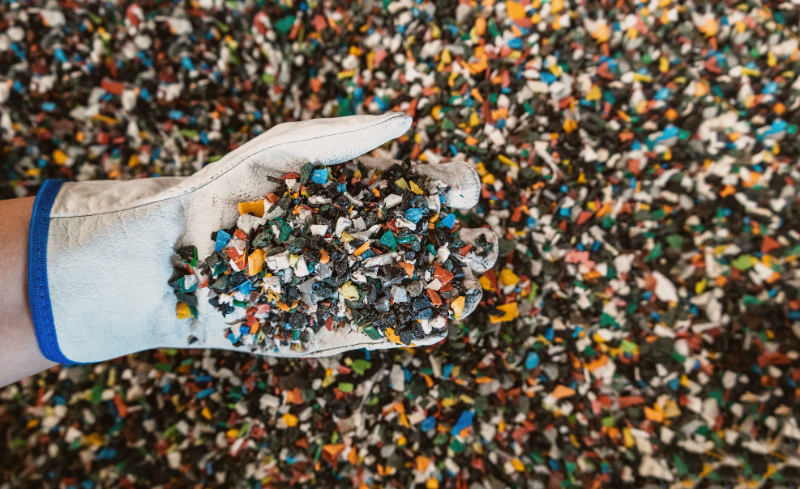
Through efficient waste management, technological innovation, and the Zero Waste philosophy, we promote a sustainable model that unites efficiency and environmental commitment.
Because saving energy doesn’t mean giving up on progress, but rather redefining it in a smarter, more circular, and sustainable way.
Reducing energy consumption and properly managing waste are two pillars that move forward together.
Every action that prevents waste waste also contributes to reducing the energy needed to produce new materials.
At TMA, we integrate energy efficiency into every stage of comprehensive waste management, demonstrating that the cleanest energy is the one that isn’t wasted.
Our commitment is to transform energy into value, reducing consumption, optimizing resources, and investing in sustainable solutions that drive a more responsible and circular model.
At TMA, we work to ensure that energy is not lost, but rather transformed into new sustainable opportunities, through concrete actions that have a direct impact on energy savings and emissions reduction:
Recovering waste means reducing the energy demand of industries. By recovering useful materials, we avoid production of raw materials, which requires large amounts of energy and natural resources.
Committing to the Circular Economy reduces resource extraction and, therefore, energy use. Every material that is reused or recycled extends its useful life and reduces the energy needed to manufacture new products.
Optimizing the waste collection fleet and routes is also energy efficiency. At TMA, we use geolocation systems and data analysis to plan shorter routes, minimize travel, and reduce fuel consumption. We also incorporate electric and low-emission vehicles to achieve cleaner and more efficient transportation.
In this way, energy efficiency becomes a direct tool to combat climate change, improve operational performance, and promote smarter, more circular, and responsible waste management.
Energy efficiency in waste management
At TMA, we optimize every kilowatt consumed and reduce the energy footprint in all processes:
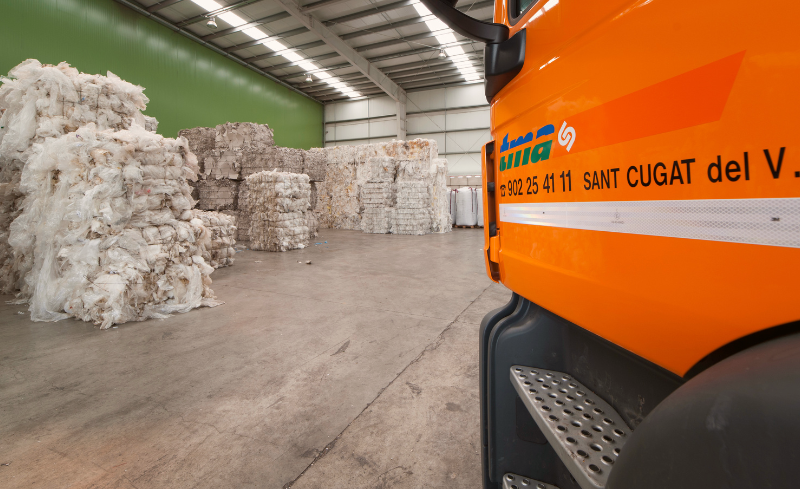
Sustainable transportation: electric and hybrid LPG vehicles, optimized routes, and real-time monitoring.
Preventive maintenance: ensures that machinery operates efficiently and consumes less energy.
Smart processes: continuous optimization to reduce electricity consumption.
Internal training: each team member knows their role in energy efficiency.
Measurable commitment: We have the MITECO “CALCULO” seal, which certifies our efforts to measure and reduce our carbon footprint.
Every action we undertake—from logistics to waste management—reflects a central idea: good waste management is a way to save energy.
Circular Economy: energy can also be recycled
The Circular Economy is much more than recycling. It’s a new way of understanding the flow of materials and energy.
Every waste product can be converted into a resource, and every action counts toward reducing energy waste.
The Circular Economy also converts the energy embodied in materials into a reusable resource.
At TMA, we apply it to all our processes:
-
- Separation at source: facilitates recovery and prevents energy losses.
- Recycling and reuse: materials return to the production cycle, reducing energy use in new extractions.
- Optimization of internal processes: every technological improvement translates into less electricity consumption and greater operational efficiency.
- Reduction in energy consumption associated with production: less extraction of raw materials means less energy used.
Energy saving and waste management go hand in hand.
In this way, energy ceases to be something consumed and becomes something conserved, recycled, and transformed.
CARING FOR THE PLANET STARTS WITH SAVING ENERGY
World Energy Saving Day reminds us that energy efficiency and waste management are two sides of the same coin.
At TMA, every waste we manage, every innovation we implement, and every process we optimize is part of the same goal: reducing our energy impact and caring for the planet.
Saving energy is an opportunity for transformation: every kilowatt saved, every waste recycled, and every optimized process brings us closer to a cleaner, more efficient, and sustainable future.
Because energy that isn’t wasted is also recycled, and that’s what truly moves the world toward a more efficient and sustainable future.
We take care of our customers and we take care of the environment.
We are much more than comprehensive waste management.
If you want to comply with regulations, improve your environmental impact, or adapt your procedures, write to us at comercial@tma.es and we will be happy to provide you with a personalized proposal, fully tailored to your needs.
We are here to help you reduce the environmental impact of your waste and take care of the environment.
Discover our comprehensive Waste Management Services.
Follow us on TMA’s LinkedIn. Subscribe to our YouTube channel.
Contact us, we will be happy to advise and inform you.


