

The European Sustainable Energy Week (EUSEW), organized by the European Commission, will be held from June 10 to 12, 2025. This annual event is the most important in Europe for renewable energy and energy efficiency, and aims to promote responsible energy use, reduce polluting emissions, and encourage sustainable habits and good practices in both businesses and people’s daily lives. At TMA, we join this initiative by reaffirming our commitment to a waste management model that reduces energy consumption, promotes the circular economy, and protects the environment.
WHAT IS SUSTAINABLE ENERGY?
Sustainable energy is energy that is obtained and used responsibly, without depleting the planet’s resources or endangering the well-being of future generations.
It’s not just about using renewable energy, but also about reducing unnecessary consumption, improving energy efficiency, and protecting the environment.
This energy model focuses on clean sources such as solar, wind, hydroelectric, and biomass, and on measures that optimize energy use in all areas: from transportation and industrial processes to buildings and homes.
With this approach, the European Sustainable Energy Week (EUSEW) is being held from June 10 to 12, organized by the European Commission.
It’s a key event for advancing the energy transition and promoting a cleaner, more efficient, and fairer energy system, with the participation of institutions, businesses, and citizens.
In this context, at TMA we share this reflection: the energy transition is not achieved solely by producing clean energy, but also by reducing unnecessary consumption, optimizing resources, and properly managing waste.
Because every properly treated waste product can be a source of energy or a direct energy saving.
WASTE MANAGEMENT AND SUSTAINABLE ENERGY: KEYS TO SUSTAINABILITY
 Waste management and energy savings are deeply connected.
When we talk about energy transition, we must also talk about waste.
Because every improvement in waste management directly contributes to a cleaner, more efficient, and more sustainable model.
Every properly treated waste represents an opportunity to reduce energy consumption, avoid polluting emissions, and recover valuable resources that would otherwise require large amounts of energy to produce from scratch.
Here are some specific examples:
-
- Recycling plastic, paper, and glass provides significant energy savings and avoids the extraction and processing of new materials.
- The proper separation and collection of organic matter allows for the production of compost and biogas, a renewable energy source that can be used to generate electricity or heat.
- The energy recovery of non-recyclable waste allows its transformation into thermal or electrical energy. This applies to fractions such as rejects from sorting plants, non-reusable textile waste, and non-hazardous industrial waste.
- Recovery also plays a key role in metals, used oils, waste electrical and electronic equipment (WEEE), and even certain construction waste. All of these can be reincorporated into the production chain, reducing the energy demand associated with the extraction of new materials.
- Efficiency in waste transportation is also essential. Planning collection routes using geolocation systems and data analysis significantly reduces the number of trips, fuel consumption, and emissions. Furthermore, renewing the fleet with less polluting vehicles and optimizing the load on each trip further improves service efficiency.
- Reducing waste in the collection and sorting processes prevents the loss of recyclable materials and improves the energy efficiency of the entire system.
- Promoting the reuse and repair of products, especially in sectors such as electronics and textiles, extends the useful life of resources and avoids the energy consumption associated with manufacturing new products.
These practices not only represent progress in environmental terms, but are also an effective way to support the energy transition.
Managing waste intelligently and with a forward-looking vision is, without a doubt, one of the most direct and effective ways to contribute to a more sustainable and circular energy model.
BEST PRACTICES FOR COMPANIES: HOW TO IMPROVE WASTE MANAGEMENT AND SAVE ENERGY
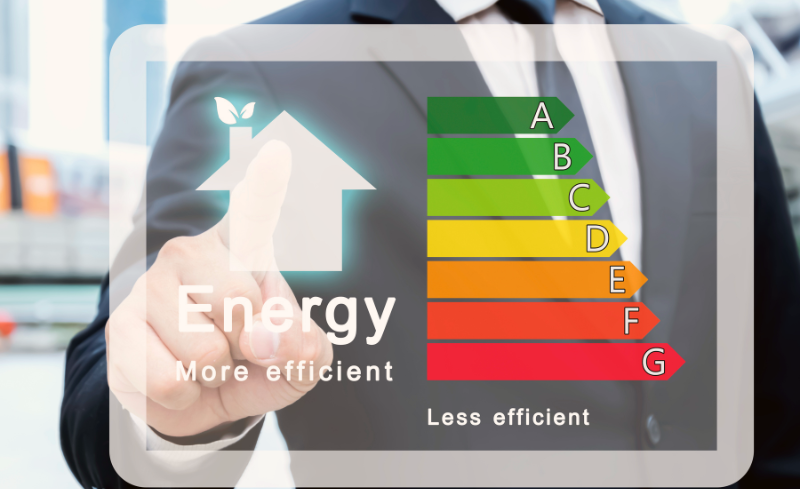 Conduct a detailed waste audit
Before implementing any changes, it is essential to know exactly:
-
- What types of waste are generated in the company.
- In what quantities and how often.
- Where they are produced within the facilities.
This audit helps identify opportunities to reduce waste generation, increase recycling, and minimize energy consumption associated with waste treatment.
It also facilitates the planning of customized and effective actions.
Implement source separation and process automation
Separating waste at its point of generation is key to avoiding cross-contamination and maximizing the recovery of recyclable materials.
To achieve this, it is recommended to:
-
- Place separate and well-marked containers in strategic areas.
- Use smart technologies such as automatic weighing systems, sensors, and digital controls to optimize the management and recording of generated waste.
These measures improve efficiency and allow for real-time monitoring, facilitating decision-making that impacts energy savings.
Trust a waste manager with a sustainable approach
Not all waste management services are the same. Choosing a provider committed to sustainability makes all the difference. At TMA:
-
- We continually renew our fleet to include low-emission vehicles that reduce fuel consumption and polluting emissions.
- We optimize routes using advanced geolocation software, minimizing travel and saving energy.
- We have specialized, energy-efficient treatment plants that maximize the recovery potential of each waste product.
Promote internal environmental training
The involvement of the human team is essential to the success of any sustainable strategy.
Promoting ongoing training on environmental issues helps to:
-
- Raise awareness about the importance of proper waste separation.
- Understand how each individual action can contribute to overall energy savings.
- Improve collaboration and commitment to common sustainability goals.
With trained and motivated employees, the company can achieve much more effective and lasting results in its energy and environmental management.
Therefore, improving waste management is not just a matter of legal compliance or social responsibility.
It is a tangible business strategy that allows for reducing energy consumption, cutting costs, and positioning the company as a leader in sustainability.
During European Sustainable Energy Week, we invite companies to take this key step toward a more efficient and planet-friendly future.
TIPS FOR INDIVIDUALS: HOW TO SAVE ENERGY AT HOME BY BETTER MANAGING YOUR WASTE
Everyone can make a significant contribution to energy efficiency and environmental protection with simple and responsible waste management habits at home.
These small actions, combined, have a significant impact on reducing energy consumption and polluting emissions.
Some key recommendations to apply in your daily life:
Separate your waste properly
Proper separation at source is essential to ensure that recyclable materials can return to the production chain and prevent them from ending up in landfills or incinerators.
-
- Sort paper, cardboard, plastic, glass, and organic materials into the appropriate containers.
- Properly separated waste reduces the energy required for its treatment and recycling.
Take hazardous waste to recycling centers
Waste such as batteries, expired medications, light bulbs, and electronic devices require special management to avoid environmental damage and utilize their valuable materials.
-
- Municipal recycling centers are equipped to receive and treat this waste safely.
- Avoiding throwing these items in the regular trash prevents pollution and facilitates the recovery of components that require high energy consumption for their manufacture.
Reuse before throwing away
Extending the useful life of products and materials reduces the need to manufacture new items, which leads to considerable savings in energy and natural resources.
-
- Donate or reuse clothing, furniture, and appliances in good condition.
- Give a second life to glass containers and reusable containers.
- Look for creative options to recycle items and reduce waste.
Avoid food waste
Planning meals and using food in its entirety is another great ally for saving energy and reducing organic waste.
-
- Buy only what you need and use leftovers to prepare new dishes.
- If you have the space, consider home composting to transform organic waste into natural fertilizer, thus closing a sustainability cycle.
Reduce the consumption of disposable products
The excessive use of single-use products generates more waste and increases the energy demand associated with their manufacture and disposal.
-
- Opt for reusable products such as bottles, cloth bags, and durable utensils.
- Avoid single-use plastics, which can also pollute ecosystems and make recycling difficult.
Take advantage of renewable energy at home
If you have the opportunity, install renewable energy systems such as solar panels for self-consumption.
-
- This reduces dependence on fossil energy sources and reduces your home’s carbon footprint.
- The energy generated can even help power domestic waste management systems, such as electric composters.
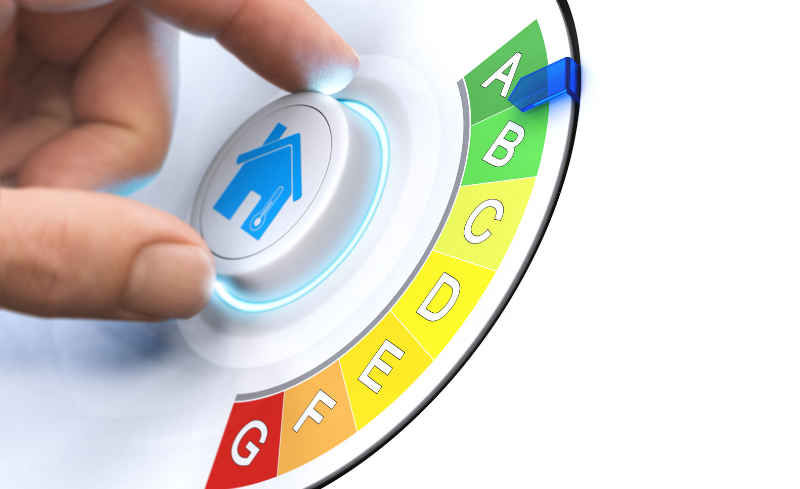 Use efficient appliances and take care of their maintenance
Old or poorly maintained appliances consume more energy and can generate more waste if they are replaced frequently.
-
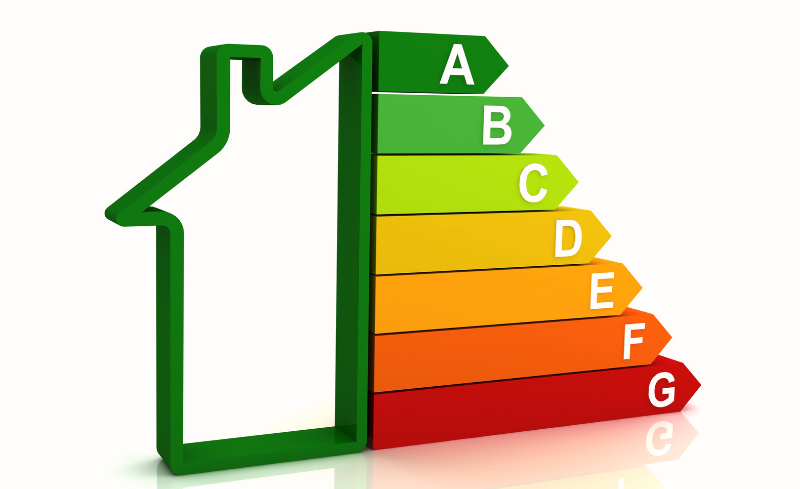
- Invest in appliances with an A++ energy rating or higher.
- Perform regular maintenance to extend their lifespan and improve their efficiency.
Consume products with sustainable or recycled packaging.
By choosing products that use less packaging or recyclable and recycled packaging, you help reduce waste generation and energy consumption in the production of new packaging.
THE POSITIVE ENVIRONMENTAL IMPACT OF EFFICIENT WASTE MANAGEMENT
As part of European Sustainable Energy Week (EUSEW), we want to share some of the measures we implement at TMA to reduce energy consumption, optimize resources, and move toward a more planet-friendly circular economy model.
Because waste management is also a key tool for combating climate change and promoting responsible energy use.
How TMA promotes sustainable energy
Every small change helps. And at TMA, we believe that moving toward sustainability is not an option, it’s a responsibility.
-
- We are updating our vehicle fleet, incorporating more efficient models with a lower environmental impact.
- We are optimizing our transport routes thanks to geolocation systems, which allows us to reduce consumption and emissions.
- We are minimizing waste disposal, recovering recyclable materials and reducing the energy costs associated with waste disposal.
- We seek new ways to improve waste recovery, transforming it into energy resources such as alternative fuel.
- We implement energy-saving measures in our facilities, controlling consumption and focusing on efficiency in all processes.
We work every day to advance toward a more environmentally friendly waste management model, applying innovative and sustainable solutions that allow us to continuously improve.
SUSTAINABLE ENERGY AND CIRCULAR ECONOMY: ESSENTIAL PILLARS FOR A SUSTAINABLE FUTURE
At TMA, we are convinced that sustainable energy and the circular economy are inseparable; they are two sides of the same coin that together can transform the production and consumption model into one that is much more efficient and respectful of the planet.
The circular economy promotes the reduction, reuse, recycling, and recovery of materials, avoiding the constant extraction of natural resources.
This approach not only reduces pressure on the environment but also directly impacts energy sustainability.
 The essential connection between sustainable energy and the circular economy
 The essential connection between sustainable energy and the circular economy
-
- They avoid the extraction of virgin resources: Recycling and reusing materials reduces the need to obtain new raw materials, a process that consumes a lot of energy and generates pollution.
- They reduce external energy dependence: Promoting a local and efficient circular economy reduces the need to import energy and materials, strengthening the autonomy and energy security of regions and countries.
- They increase the resilience of production systems: Circular models promote more flexible and sustainable management, capable of better adapting to changes in supply, demand, and environmental or economic challenges.
Zero Waste: Innovation and Energy Efficiency
At TMA, we apply these principles with a firm commitment:
-
- We adopt the Zero Waste philosophy with the goal of minimizing waste generation and maximizing the recovery of useful materials.
- We incorporate advanced technologies to optimize energy consumption in our processes and management systems, improving overall efficiency.
Integrating sustainable energy and the circular economy is not only an environmental goal, but a key strategy to ensure a sustainable, competitive, and responsible future for all.
At TMA, we will continue working to lead this transformation with innovation, commitment, and action.
FREQUENTLY ASKED QUESTIONS ABOUT SUSTAINABLE ENERGY AND WASTE MANAGEMENT
Which waste has the greatest energy potential?
Mainly organic waste (such as food scraps and agricultural waste), non-recyclable urban solid waste, and certain industrial waste with high energy content, such as plastics or tires.
Does proper waste management really contribute to energy savings?
Yes, efficient management reduces energy consumption in the production of new materials and reduces greenhouse gas emissions. For example, recycling a ton of paper can save around 4,100 kWh compared to manufacturing it from virgin raw materials.
What role do waste management companies play in energy efficiency?
A fundamental role. These companies optimize logistics to minimize travel, use advanced technologies to improve waste treatment and energy recovery, and promote sustainable practices that increase overall energy savings.
Are there tools to calculate energy savings when recycling?
Yes, several environmental calculators allow you to estimate the energy savings associated with different types of recycled waste, thus facilitating awareness and more sustainable decision-making.
What benefits does implementing sustainable waste management policies offer companies?
In addition to energy savings and a reduced environmental footprint, it improves corporate image, complies with environmental regulations, and provides tax and economic incentives.
How can an individual contribute to promoting sustainable energy through waste management?
By properly separating waste at home, taking hazardous waste to recycling centers, reusing products whenever possible, and avoiding waste, each person contributes to a more sustainable model.
OTHER ARTICLES THAT MAY INTEREST YOU
To learn more about sustainable energy and the energy transition
If you are interested in learning more about sustainable energy and how to move toward a more efficient, responsible, and circular energy model, here are other news articles published on our blog:
We take care of our customers and we take care of the environment.
We are much more than comprehensive waste management.
If you want to comply with regulations, improve your environmental impact, or adapt your procedures, write to us at comercial@tma.es and we will be happy to provide you with a personalized proposal, fully tailored to your needs.
We are here to help you reduce the environmental impact of your waste and take care of the environment.
Discover our comprehensive Waste Management Services.
Follow us on TMA’s LinkedIn. Subscribe to our YouTube channel.
Contact us, we will be happy to advise and inform you.