 Maritime transport continues to evolve.
Ships are changing, technologies are changing, and so are the needs of the companies operating them. As a result, ports also need to adapt to continue providing the services required by an increasingly complex industry.
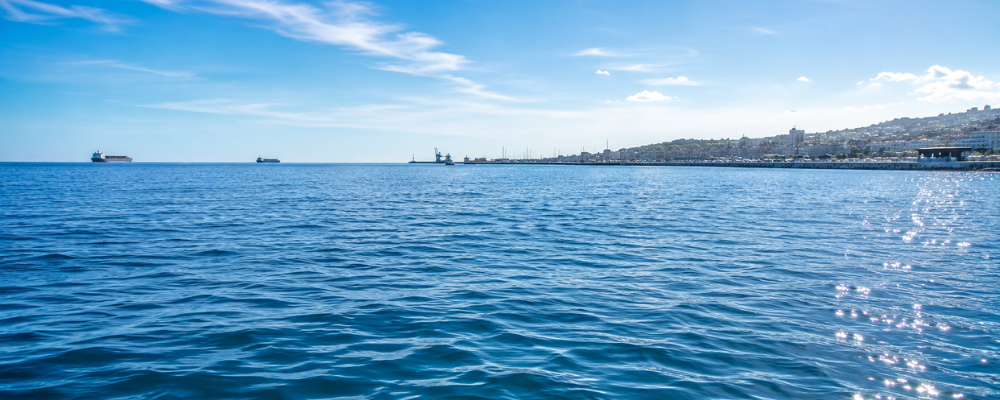
Today, when we talk about a port, we no longer think only about its ability to receive a ship, load and unload goods, or connect with other parts of the world.
We also think about the services a ship needs during its stay and the port’s ability to respond to those needs efficiently.
Waste management is one of these services.
 A port call involves many operations
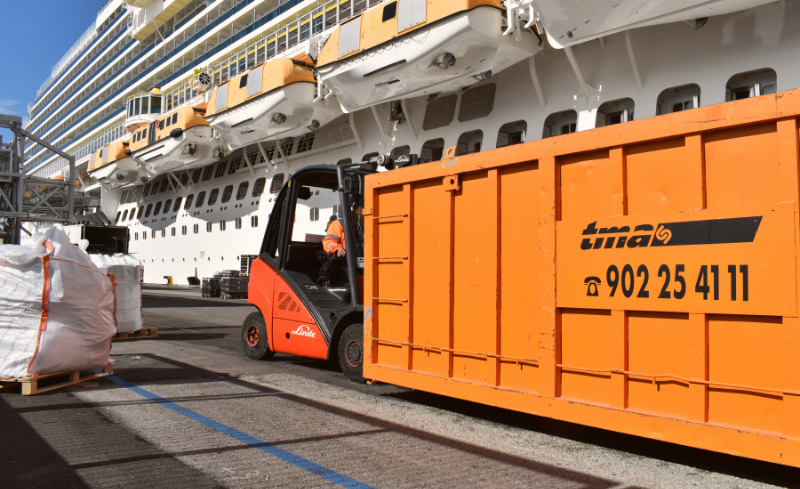 A port call involves many operations
When a ship arrives at port, many different activities take place within just a few hours.
Depending on the type of vessel and its operations, it may load or unload cargo, receive supplies, carry out maintenance work or deliver the waste generated during its voyage.
All these tasks require coordination.
And in an industry where port calls are increasingly planned down to the minute, having services ready to respond when they are needed is another important part of port operations.
Waste management is part of this planning too.
Ports need to be prepared
Not all waste generated on board is the same, and not all waste requires the same treatment.
A ship’s operations can generate different types of waste, which must be collected and managed according to their characteristics and the applicable regulations.
The MARPOL Convention provides the international framework for preventing pollution from ships and regulates different aspects related to the management of waste and other pollutants generated on board.
Ports therefore need the appropriate resources and services to enable ships to deliver this waste and continue with their operations.
But being prepared involves more than simply having a collection point.
Ports also need the capacity to transport, receive and treat waste once it has been removed from the vessel.
An activity that takes place alongside everything else happening in the port
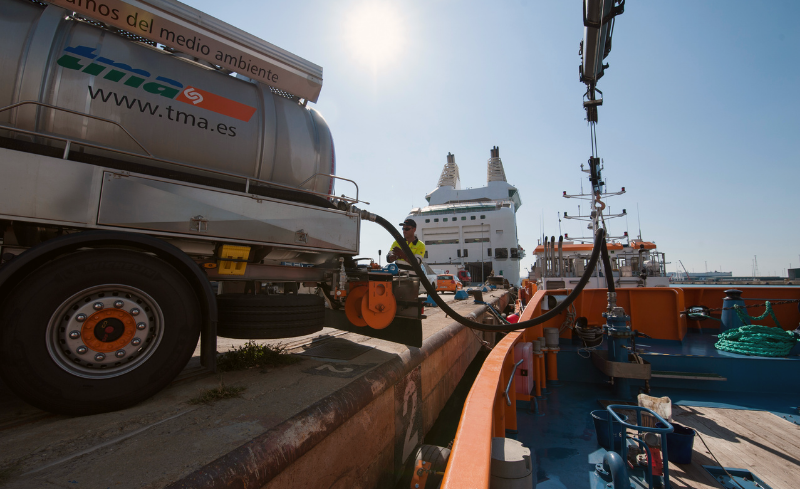 An activity that takes place alongside everything else happening in the port
While a ship carries out its usual operations, other activities are also taking place that are not always part of the image we have of a port call.
Waste collection is one of them.
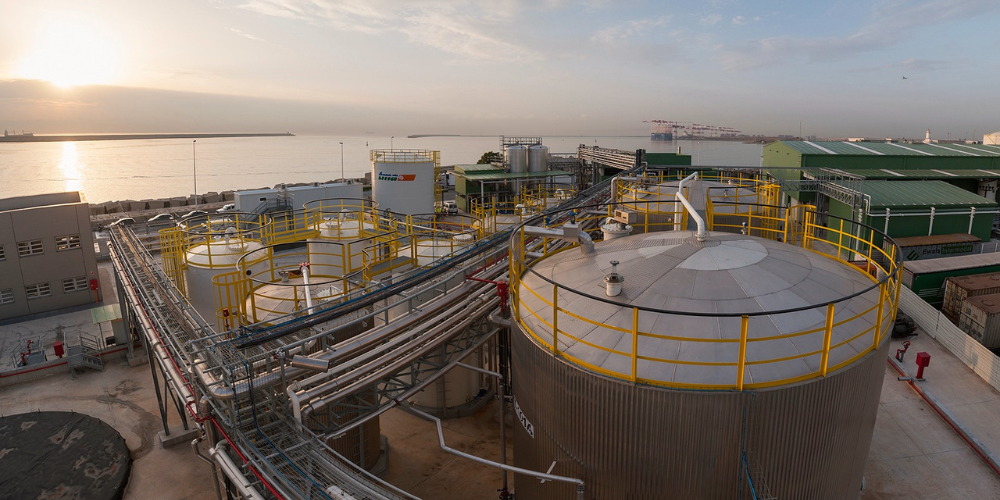
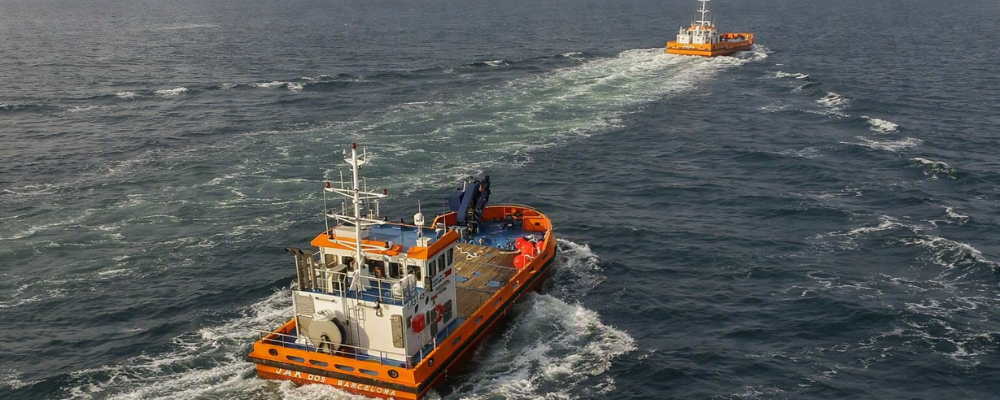
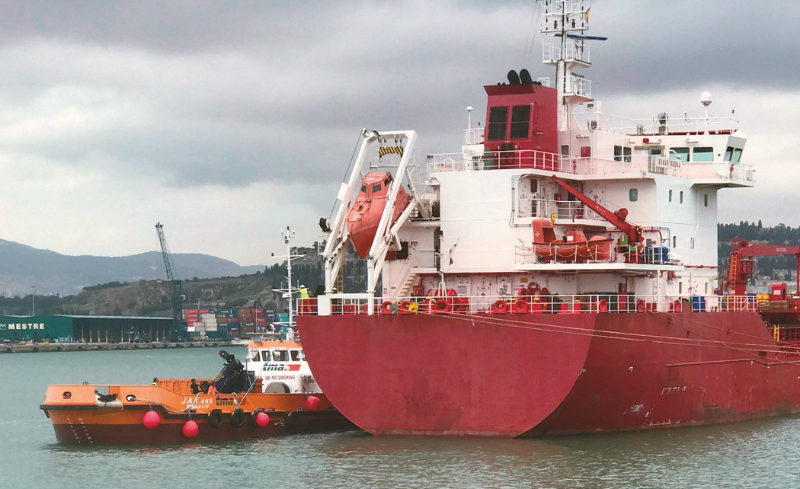
At TMA, MARPOL waste can be collected by sea or by land and subsequently transported to our treatment facilities at the Port of Barcelona. TMA has its own resources to provide these services, as well as a specialised plant for MARPOL waste management.
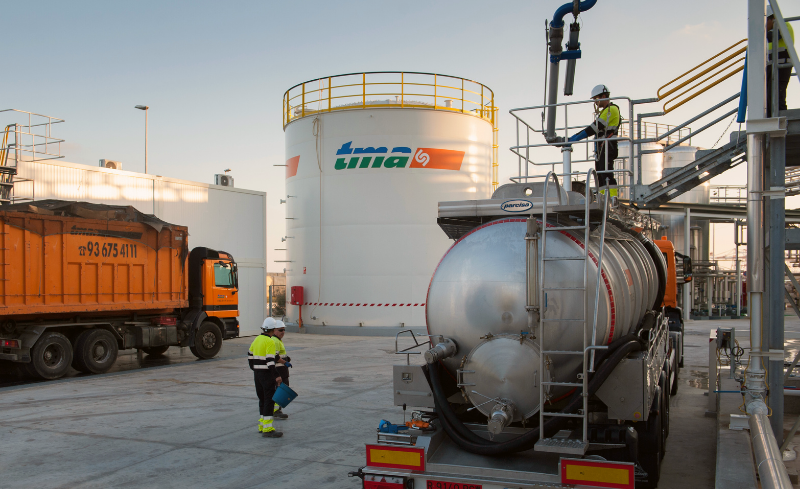
Once the waste reaches our facilities, each waste stream follows the appropriate process according to its characteristics.
Management does not end with collection. It continues with reception, control, storage and treatment, while maintaining traceability throughout the different stages.
An activity that is evolving too
 An activity that is evolving too
Waste management from ships has traditionally been closely linked to regulatory compliance.
And MARPOL remains a fundamental reference.
But the needs of the industry are changing.
Shipping companies are looking to improve efficiency and reduce the impact of their operations, while ports need to support these objectives with services that can be integrated into their day-to-day activities.
This evolution is particularly visible in the cruise sector, where port calls involve numerous operations and services need to fit within very specific timeframes.
TMA’s participation in Seatrade Cruise Global 2026 provided an opportunity to gain first-hand insight into some of these trends and to see how waste management is becoming increasingly relevant to the needs of both shipping companies and ports.
From port services to treatment
For TMA, being prepared for these needs means being able to manage waste throughout its entire journey.
From collection on board the vessel to its arrival at the treatment plant.
From identification and characterisation to the application of the appropriate treatment process.
And, where the characteristics of the waste allow it, from treatment through to the recovery of certain materials.
TMA’s plant at the Port of Barcelona is equipped to manage the different types of waste covered by MARPOL and has dedicated resources for their treatment.
This capacity allows different stages of the management process to be integrated and enables us to respond to vessels’ needs within the port environment itself.
The future of ports also lies in the services they provide
The transformation of maritime transport is not limited to ships.
Everything that happens around them is changing too.
Ports need to adapt to new technologies, new environmental requirements and new operational needs. This also means reviewing and improving the services that allow a vessel to complete its port call efficiently.
Waste management is part of this evolution.
It is not the only response to the challenges facing the industry, but it is one of the activities that needs to continue adapting as ships and the companies operating them evolve.
At TMA, we work from the Port of Barcelona to support this evolution, managing MARPOL waste from ships, ferries and cruise vessels and adapting our resources and processes to the needs of an ever-changing maritime industry.
Because behind every ship arriving at port, there are many services that make it possible for it to continue its journey.
And increasingly, a port is also defined by its ability to provide them.
If you need efficient waste management, tailored to your business and aligned with your 2026 environmental goals, we would be delighted to help.
Write to us at comercial@tma.es and we will prepare a personalized proposal for you.
Discover our comprehensive waste management services and join us on the path to a more sustainable future.
We take care of our customers and we take care of the environment.
We are much more than comprehensive waste management.
Follow us on TMA’s LinkedIn. Subscribe to our YouTube channel.
Contact us, we will be happy to advise and inform you.