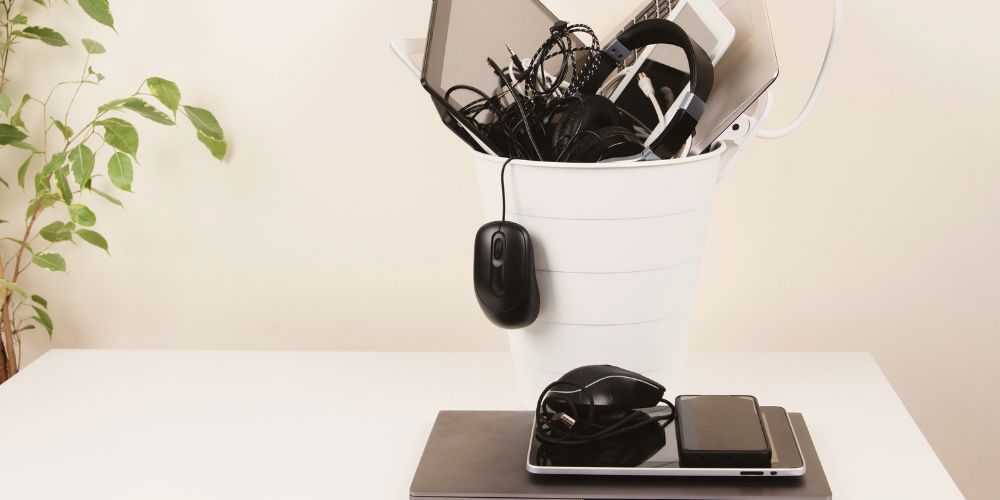
In a hyper-connected world, where we change our cell phones every two years, constantly upgrade computers, and replace equipment for the sake of efficiency, e-waste has become one of the greatest environmental and economic challenges. By 2025, global WEEE production will exceed 60 million tons, but less than 25% will receive proper treatment. This isn’t just an environmental issue: we’re also talking about the loss of valuable materials, missed opportunities for industry, and a growing gap between innovation and sustainability. Every October 14th, International E-Waste Day (WEEE) is celebrated, a day to change our mindset and improve our e-waste recycling. What happens to all those devices we no longer use but still have value? Can a company transform its e-waste into resources? True innovation isn’t just about creating new technology, but about intelligently managing what we no longer need.
WHAT IS WEEE AND WHY IS IT IMPORTANT?
Waste Electrical and Electronic Equipment (WEEE) has become one of the fastest-growing types of waste worldwide. It refers to any device that runs on electricity—whether plugged in or battery-powered—and has reached the end of its useful life.
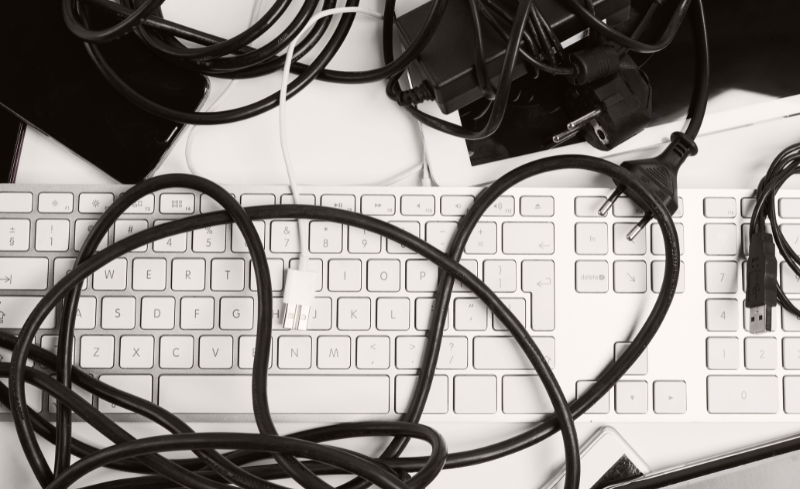
This includes everything from mobile phones and computers to refrigerators, televisions, electronic toys, and even DIY tools.
WEEE contains valuable materials, such as gold, silver, copper, lithium, and technical plastics, but also hazardous substances, such as lead, mercury, and cadmium, which can contaminate soil, water, and air if not managed properly.
For this reason, efficient management of WEEE is essential, not only to protect the environment but also to recover resources and materials that are still useful.
Its collection, treatment, and recycling is not just a technical issue, but a collective responsibility involving businesses, institutions, and citizens.
Today, the challenge is no longer solely technological, but also cultural and strategic: transforming the way we consume, use, and manage technology to minimize its impact and maximize its value.
Beyond the legal and logistical complexity, WEEE management is defined by one key word: opportunity.
Let’s stop seeing the acronym WEEE only as Waste Electrical and Electronic Equipment, and adopt a new philosophy: Worthwhile Electronic & Environmental Evolution.
How WEEE is classified
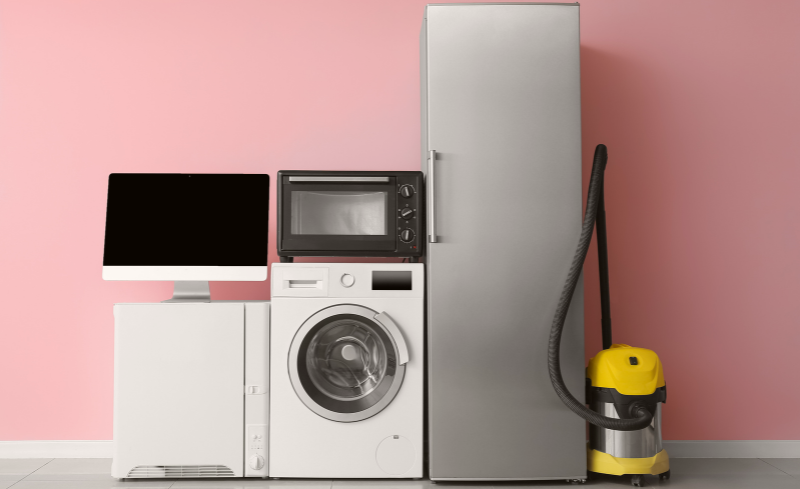
WEEE is grouped into different categories according to its physical and functional characteristics.
-
- Temperature exchange devices (refrigerators, air conditioners, heat pumps). Monitors and screens (televisions, computers).
- Lamps (fluorescent, LED).
- Large appliances (>50 cm) such as washing machines, stoves, and ovens.
- Small appliances (<50 cm) such as vacuum cleaners, microwaves, and hairdryers.
- IT and telecommunications equipment with hazardous components.
- Photovoltaic panels, increasingly present on the market.
The environmental and social impact of WEEE
WEEE not only represents a technical challenge, but also has a profound impact on the environment and society.
Much of this waste is managed unsafely, putting the health of entire communities at risk due to exposure to toxic substances.
Furthermore, the lack of efficient recycling leads to the loss of valuable materials, such as metals and technical plastics, which represents a waste of natural resources that could be reintegrated into the circular economy.
For these reasons, proper WEEE management is both an environmental and social responsibility.
How to reduce the environmental impact of WEEE (Waste Electrical and Electronic Equipment)
WHAT ELECTRONIC WASTE DO WE GENERATE TODAY?
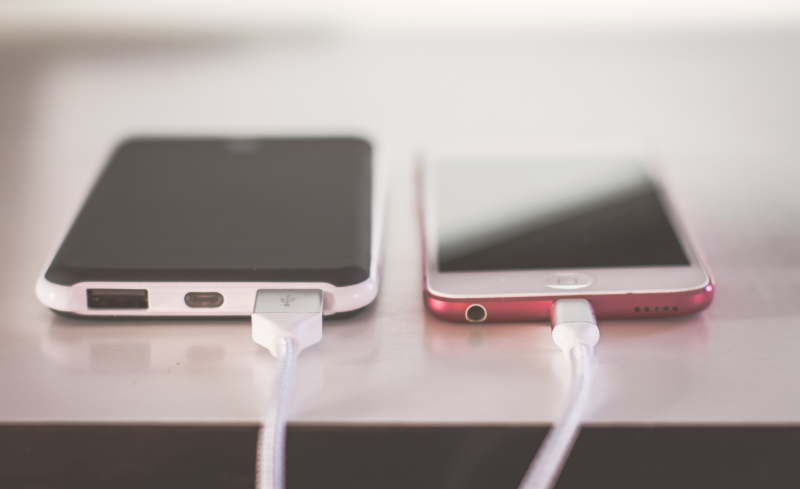
Technological evolution has profoundly transformed the profile of WEEE.
A decade ago, the most common waste was CRT televisions, printers, and large household appliances.
Today, however, mobile devices, laptops, wireless headphones, smartwatches, and routers are taking center stage.
Furthermore, the rise of renewable energy has introduced new players into the waste stream: solar panels.
By 2025, these panels will already represent a significant portion of the total WEEE volume, both due to their weight and the complexity of their recycling.
Another recent phenomenon is the proliferation of small connected devices—such as voice assistants, security cameras, or smart appliances—which, although compact, contain multiple materials that are difficult to separate.
This new generation of electrical and electronic waste (WEEE) poses technical and logistical challenges that require constant innovation in collection and treatment systems.
HOW TO RECYCLE ELECTRONIC WASTE
The management and recycling of waste electrical and electronic equipment (WEEE) must be carried out exclusively by authorized recyclers, in accordance with current regulations.
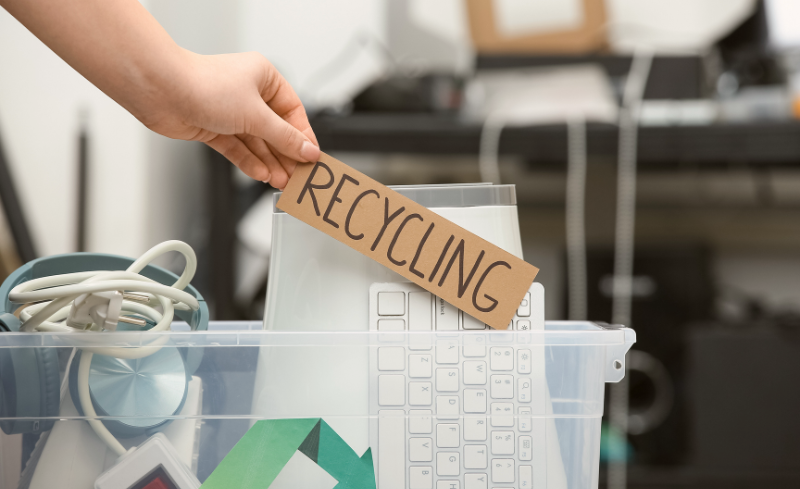 Since WEEE contains valuable materials—such as copper, aluminum, and rare earths—but also hazardous substances—such as mercury, cadmium, and refrigerant gases—that require specific decontamination and recovery processes, having e-waste management handled by a waste manager ensures that the waste is handled safely, responsibly, and legally, avoiding environmental and health risks resulting from improper management.
The key for any company is to ensure that its WEEE passes through the legal management chain: from initial collection, through specialized transportation, temporary storage in appropriate facilities, to final treatment in authorized plants. This process not only guarantees proper waste decontamination but also allows each step to be documented through management certificates, essential for audits, regulatory compliance, and corporate sustainability policies.
In the case of WEEE from household sources, individual consumers also play a fundamental role.
There are two main ways to properly recycle electrical and electronic waste:
-
- Municipal recycling centers: Here you can drop off unused devices such as cell phones, small appliances, computers, or televisions, ensuring they are properly treated.
- Return to points of sale or distribution: According to regulations, establishments that sell electrical appliances are required to accept the old device when the consumer purchases a new one of the same type (“one for one”). Furthermore, in the case of small devices (less than 25 cm), they must accept their return without the need for purchase (“one for zero”), thus facilitating spontaneous recycling.
This management structure allows both companies and citizens to actively contribute to reducing the environmental impact of electronic waste, promoting a circular economy based on material recovery and the minimization of hazardous waste.
The 3Rs of e-waste
Reduce: Disconnect from excessive consumption
It’s not about stopping using technology, but about being conscious consumers.
-
- Buy with purpose: Choose durable, modular, and easy-to-repair products. Investigate the warranty and repair support offered by the brand.
- Say no to planned obsolescence: Demand transparency from manufacturers and support regulations that require extending the lifespan of devices.
- Avoid impulse purchases: Do I really need the latest model, or does my current device still work perfectly?
Reuse and repair: Reconnect e-waste, extending its lifespan.
Before throwing away, think about your device’s second life.
-
- Professional repair: If it breaks, look for workshops that can give it a second chance. The right to repair is a key movement in the fight against WEEE.
- Second-hand market: Sell, donate, or exchange devices that still work. There is a growing market for refurbished phones, computers, and tablets.
- Donation: Many NGOs and educational centers accept old equipment for social use.
Recycling: This is how we restart the technological cycle
If a device has reached the end of its useful life and cannot be repaired or reused, recycling becomes our only option.
It’s the reset button for the technological cycle: valuable metals, plastics, and components are recovered and returned to the economy.
-
- What goes into WEEE Recycling? Anything with a plug, a battery, a cable, or that runs on batteries. From large household appliances (washing machines, refrigerators) to small, invisible WEEE (cables, chargers, mice, electric toothbrushes, battery-operated toys).
- Clean Points and Stores: It is crucial to deposit this waste in clean points or specific containers, or to hand it in to stores when purchasing a new device (depending on the regulations in your region). It should never go to the regular trash container.
WEEE MANAGEMENT IN COMPANIES: OPPORTUNITY AND RESPONSIBILITY
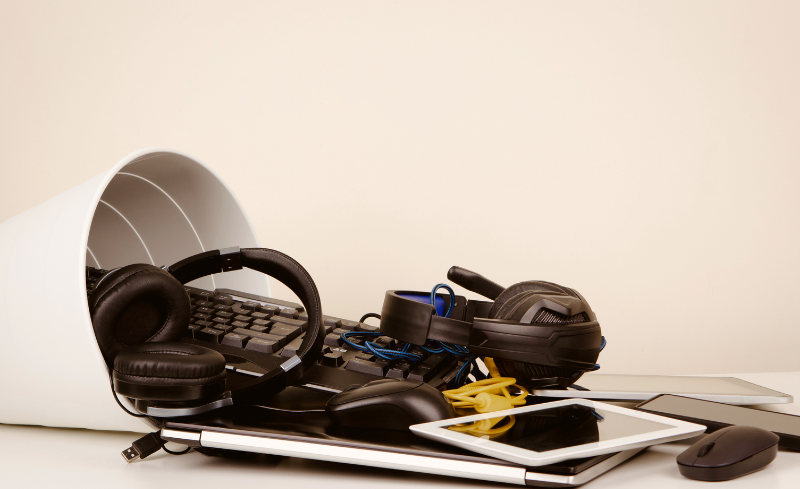
For companies, WEEE represents a challenge, but also a strategic opportunity.
Proper e-waste management offers multiple benefits:
-
- It avoids penalties and legal problems.
- It improves corporate reputation and sustainability.
- It generates economic value through material recovery.
- It strengthens corporate sustainability and commitment to the circular economy.
Corporate sustainability requires commitment and planning, turning WEEE management into a tool for innovation, business competitiveness, and sustainability.
BEST PRACTICES FOR RECYCLING ELECTRICAL AND ELECTRONIC DEVICES
Both companies and citizens can adopt concrete measures to reduce the impact of WEEE and promote the Circular Economy of e-waste.
How to manage WEEE in companies: a strategic opportunity for corporate sustainability
-
- Audit and Plan Equipment: Periodically review technological devices and plan their responsible renewal.
- Repair Before Replacing: Extending the useful life of equipment reduces waste and costs.
- Refurbish and Donate: Equipment in good condition can be given a second life in other organizations.
- Choose Responsible Suppliers: Working with authorized waste managers ensures traceability and regulatory compliance.
- Train Staff in Good Waste Management Practices.
- Centralize WEEE management with a single authorized operator to ensure traceability and control.
- Digitize WEEE Management: Using platforms that monitor waste in real time increases efficiency and transparency.
- Communicate Sustainability: Publicly displaying environmental commitment strengthens corporate reputation and CSR.
Tips for recycling electronic devices at home
-
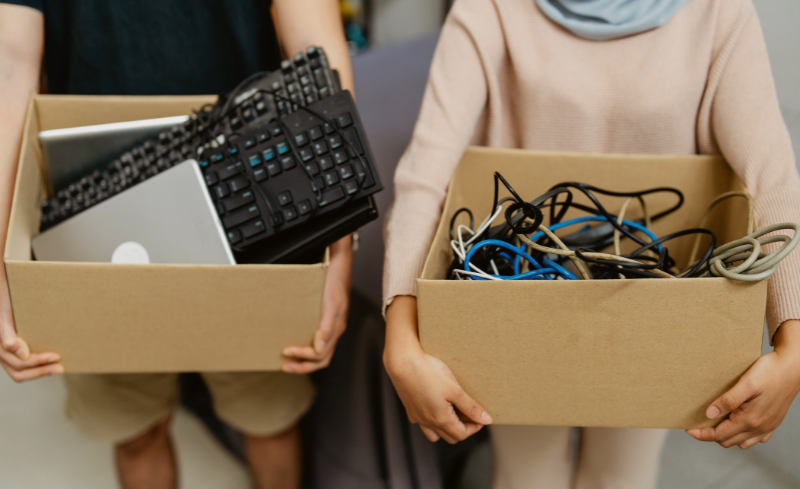
- Don’t throw electronic devices in the trash: deposit them at recycling centers or stores with WEEE collection services.
- Donate or sell devices in good condition: prolong their useful life (someone can continue using them) and reduce the environmental impact.
- Choose durable and repairable products.
- Avoid impulsive obsolescence. Ask yourself if you really need to replace your device.
- Repair before replacing: small repairs can extend the life of a device.
- Learn about local recycling campaigns: participating increases the positive impact and collective awareness.
Bad practices in electronic waste management
Just as important as what we do is what we must stop doing.
Some common practices continue to generate a high environmental impact:
-
- Throwing small electronic devices such as batteries, or screens in the household trash.
- Disassembling equipment without knowledge or protection, releasing toxic substances.
- Exporting technological waste to developing countries.
- Accumulating obsolete equipment in offices or warehouses, without traceability.
- Buying low-quality devices with a short lifespan.
WEEE RECYCLING TO PROTECT THE ENVIRONMENT
Circular Economy and Zero Waste for E-Waste
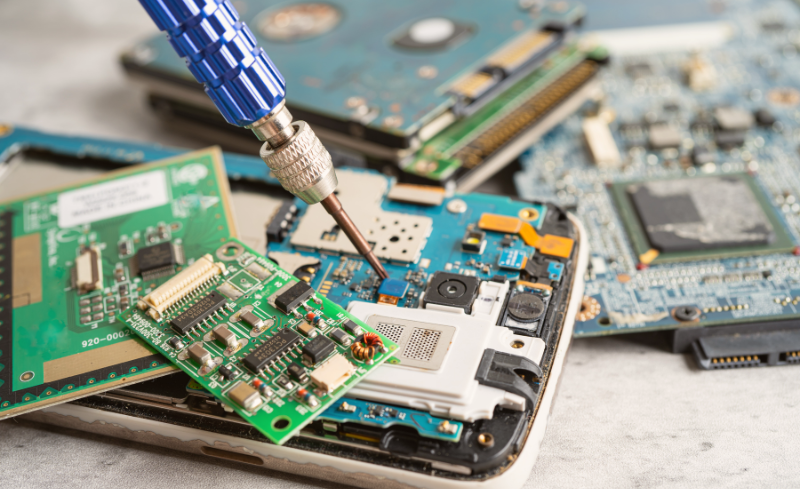
The Circular Economy seeks to keep materials in use for as long as possible through repair, reuse, recycling, and recovery.
In the field of WEEE, this means designing more durable, repairable, and recyclable products and creating management systems that recover materials and reintroduce them into the production process.
In this way, each device can add value even after its useful life.
This strategy protects the environment and generates economic and reputational benefits for companies.
Every piece of waste has potential. True innovation lies in discovering it.
INNOVATION AND SUSTAINABILITY IN E-WAST MANAGEMENT
At TMA, our goal is to make WEEE management efficient, responsible, and transformative.
We apply the principles of Zero Waste and the Circular Economy in all our processes: from collection, storage, and transportation to specialized treatment and waste recovery.
We have our own fleet equipped with advanced technology, traceability systems, and a specialized technical team that ensures maximum material recovery and regulatory compliance.
Every piece of waste managed by TMA represents an opportunity: reducing emissions, recovering resources, and contributing to a more sustainable world.
Our vision is clear: to transform waste management into a real lever of competitiveness and sustainability.
At TMA, we work to ensure that technology and the environment can coexist in balance.
The future does not come with infinite batteries, but it does come with infinite possibilities if we know how to manage it well.
We take care of our customers and we take care of the environment.
We are much more than comprehensive waste management.
If you want to comply with regulations, improve your environmental impact, or adapt your procedures, write to us at comercial@tma.es and we will be happy to provide you with a personalized proposal, fully tailored to your needs.
We are here to help you reduce the environmental impact of your waste and take care of the environment.
Discover our comprehensive Waste Management Services.
Follow us on TMA’s LinkedIn. Subscribe to our YouTube channel.
Contact us, we will be happy to advise and inform you.